Choosing living and dining room furniture requires more than measuring floor space and matching colours. The pieces you select will define how your home functions for years, affecting everything from daily comfort to resale appeal. Quality construction, appropriate materials and thoughtful proportions matter more than trends. This guide covers what to look for when selecting pieces that work together, last well and suit contemporary New Zealand homes.
Understanding Material Quality in Upholstered Furniture
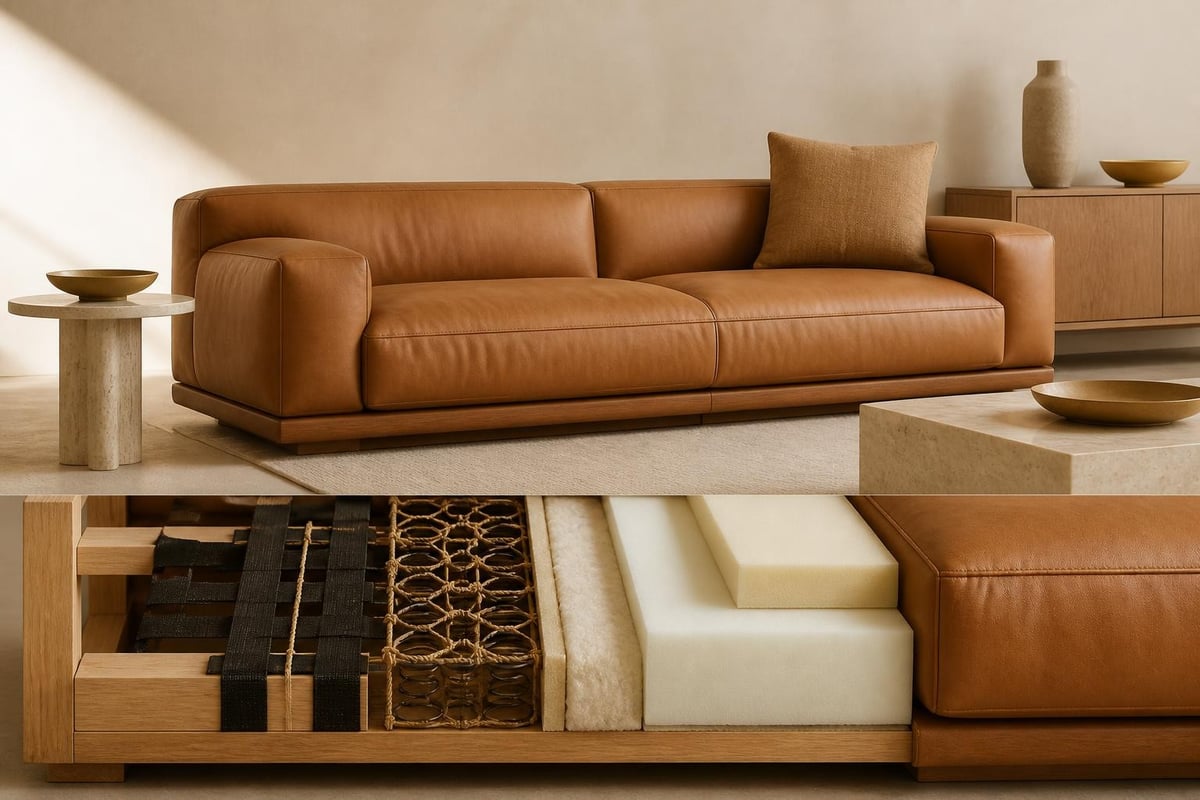
Upholstery construction determines longevity. A sofa frame built from kiln-dried hardwood with dowelled and glued corner joints will outlast chipboard alternatives by decades. Consumer Reports' furniture guide recommends checking for eight-way hand-tied springs or sinuous wire suspension systems, both of which provide better support than webbing alone.
Foam density matters equally. High-resilience foam at 35kg/m³ or above maintains shape under regular use, while lower-density options compress within two years. Leather upholstery requires full-grain or top-grain hides for durability. Split leather and bonded variants wear poorly at stress points like armrests and seat edges.
Timber Selection for Tables and Case Goods
Solid timber dining tables age better than veneered MDF, particularly in high-use family environments. Oak, walnut and ash offer different grain patterns and hardness ratings. Oak sits around 1,300 on the Janka scale, walnut near 1,000. Harder timbers resist denting from daily impacts.
Joinery type signals build quality. Mortise-and-tenon joints in table bases distribute weight evenly. Dovetail drawers in sideboards indicate hand-fitted construction. Butt joints secured only with screws loosen over time.
Finish affects maintenance. Hard-wax oil penetrates timber and can be spot-repaired. Lacquer provides a protective film but chips require professional refinishing. For households managing indoor air quality concerns, low-VOC finishes and FSC-certified timber reduce formaldehyde exposure from pressed-wood products.
Space Planning for Combined Living and Dining Areas
Open-plan layouts demand careful furniture placement. Circulation paths need 900mm minimum clearance, with 1,050mm preferred around dining tables when chairs are occupied. The NKBA planning guidelines specify these measurements to prevent bottlenecks during meal service.
Furniture scale must match ceiling height and room volume. A 2,400mm sectional overwhelms a 3.5m-wide living area but suits a 5m space. Dining tables require 600mm per person along each side, plus 300mm clearance behind pushed-in chairs. An eight-seat table therefore needs roughly 2,400mm length and 1,000mm width, with at least 1,300mm total width including circulation.
Key spacing requirements:
- 450-500mm between coffee table and sofa edge
- 300-400mm between side table and sofa arm
- 750mm walkway behind occupied dining chairs
- 1,200mm minimum for high-traffic corridors
Visual weight distribution prevents one zone dominating. Balance a large sectional with a substantial dining table rather than delicate chairs. Match material tones across zones without exact matching: walnut legs on a sofa pair naturally with a walnut dining table.
Selecting Sofas for Daily Function
Seat depth and back height determine comfort for different body types and uses. A 550mm seat depth suits upright conversation. Depths of 650mm or more encourage reclining. Back height affects head support: 850mm from the floor provides neck rest for taller users.
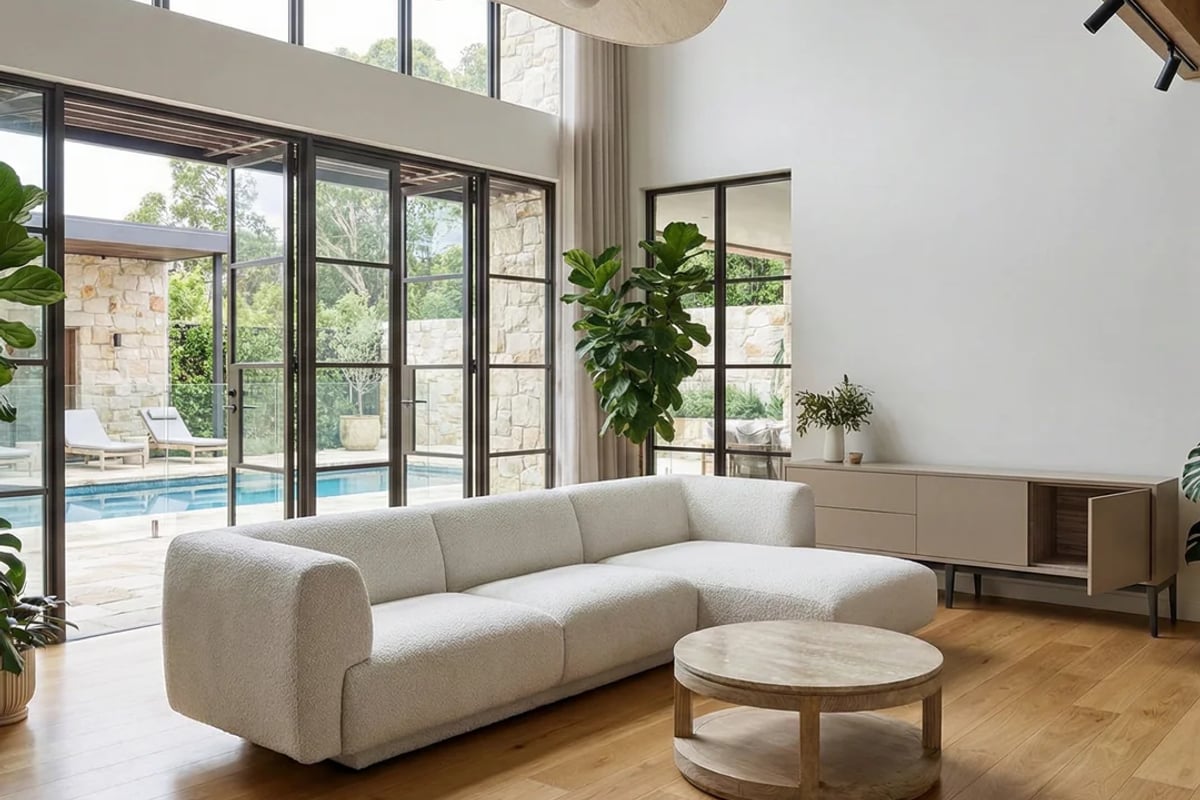
Arm style impacts usable seat width. Track arms (vertical and straight) add less bulk than rolled designs. A 2,100mm three-seater with track arms provides approximately 1,650mm of seating, while rolled arms reduce this to 1,500mm. The Bowie L-Shape Sofa demonstrates how chaise extensions create flexible lounging without requiring a second piece, particularly useful in compact Auckland homes where maximising usable floor area matters.
| Sofa Type | Typical Depth | Seat Height | Best Use |
|---|---|---|---|
| Formal | 500-550mm | 450-480mm | Conversation, dining rooms |
| Standard | 580-620mm | 420-450mm | Daily lounging, TV viewing |
| Deep-seat | 650-700mm | 380-420mm | Relaxing, napping |
Modular systems allow reconfiguration when you move house or rearrange. Individual sections connect via brackets rather than fixed frames. This flexibility suits renters and homeowners who update layouts seasonally.
Dining Tables That Accommodate Growth
Extension mechanisms fall into three categories. Butterfly leaves store within the table base and unfold from the centre. Drop-in leaves require separate storage but allow longer extensions. Pull-apart designs slide from each end, accepting multiple leaves.
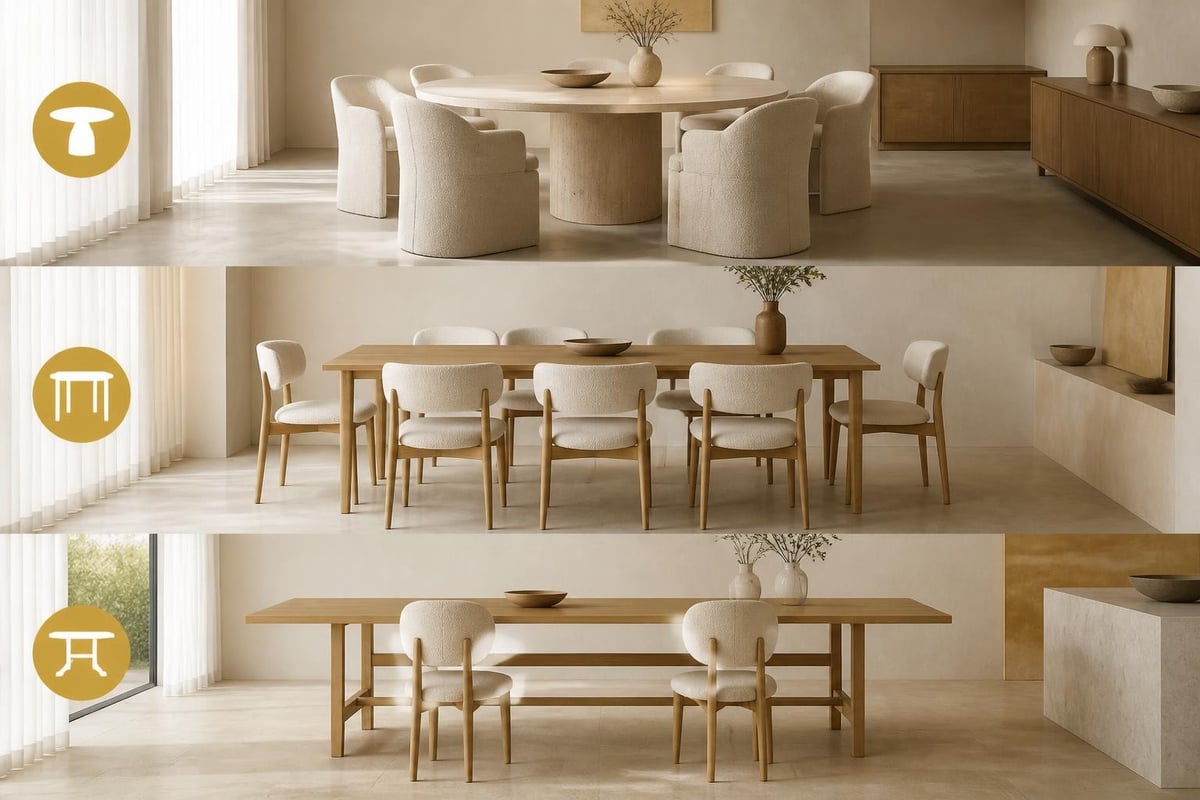
Base design affects legroom and chair placement. Pedestal bases maximise seating flexibility, particularly at table ends. Four-leg designs provide traditional stability but limit end seating. Trestle bases offer a middle option, with two support points clearing most of the perimeter.
Material Durability by Use Case
Timber: Shows character, requires coasters, scratches can be sanded out
Laminate: Heat-resistant, waterproof, can delaminate at edges
Stone/composite: Heatproof, heavy, chips are permanent
Glass: Shows smudges, needs regular cleaning, safe with tempered options
Round tables suit smaller spaces and encourage conversation. A 1,200mm diameter seats six comfortably. Rectangular shapes maximise wall placement and suit long, narrow rooms. For everyday use, choose a size that allows place settings without full extension, keeping leaves for occasions rather than daily storage issues.
Storage Solutions That Integrate Function
Sideboards provide concealed storage for dining linens and serving pieces. Depth between 400-450mm accommodates standard dinner plates. Drawer interiors lined with felt protect silverware. Adjustable shelving behind doors suits varied item heights.
Media units need specific dimensions for equipment. Standard AV components require 450mm depth, with rear access for cable management. Ventilation gaps prevent heat buildup in enclosed cabinets. For sophisticated installations, specialists like ANR media can integrate furniture with home cinema systems for seamless function.
Living room occasional tables serve specific tasks. Console tables at 750-850mm height work behind sofas for lamps and display. Side tables at 550-650mm match typical arm heights. Nesting tables store compactly and deploy when guests arrive.
Fabric and Leather Performance Ratings
Upholstery fabrics carry Martindale rub test scores indicating durability. Domestic use requires 15,000-20,000 rubs minimum. Contract-grade fabrics rated at 30,000+ suit high-traffic homes with children and pets.
Leather grades differ significantly. Aniline leather shows natural grain and develops patina but marks easily. Semi-aniline adds a light protective coating. Pigmented leather provides maximum stain resistance through heavier finishing.
Fabric characteristics by fibre:
- Wool: naturally stain-resistant, pulls can snag
- Linen: softens with use, wrinkles permanently
- Cotton: affordable, fades in sunlight
- Synthetic blends: stain-resistant, can pill
Removable covers allow cleaning and seasonal changes. Slipcovers suit informal spaces. Fitted upholstery creates cleaner lines for formal rooms. Stain treatments like Scotchgard help but require reapplication after professional cleaning.
Layout Strategies for Traffic Flow
Furniture arrangement should guide movement naturally. Place sofas perpendicular to entry points to direct traffic around conversation areas rather than through them. Float pieces away from walls in larger rooms to create intimate zones.
Anchor arrangements with rugs sized appropriately for the furniture grouping. Living area rugs should extend beneath front sofa legs at minimum, preferably under all legs. Dining rugs need 600mm beyond chair backs when pulled out. The Whole Building Design Guide offers comprehensive planning standards for residential circulation.
Create visual breaks between living and dining zones without solid barriers. A console table behind a sofa defines territory while maintaining sightlines. Consistent flooring unifies spaces, while material changes (timber to stone) mark transitions.
Coordinating Finishes Across Furniture Types
Metal accents should repeat across pieces. If dining chairs have brushed brass legs, select coffee tables or side tables with matching metal tones. Mixing finishes works when intentional: matte black with aged brass creates contrast, but chrome with brass reads as indecision.
Timber tones need not match exactly. A walnut dining table pairs successfully with oak occasional chairs if grain and finish sheen align. Avoid mixing red-toned and yellow-toned timbers in the same sightline.
Upholstery can carry pattern or texture variation while maintaining a neutral palette. A textured linen sofa in oatmeal works alongside smooth leather dining chairs in camel. Pattern should appear in cushions or occasional chairs, not on major upholstered pieces unless you plan infrequent updates.
Chair Selection for Dining Comfort
Dining chair seat height should position users 300mm below the table surface. Standard dining chairs sit at 450-480mm. Counter-height tables need 600-650mm seats. Bar-height surfaces require 750-800mm stools.
Back support matters for extended meals. Ladderback designs suit upright dining. Curved backs mold to the spine. Armchairs demand extra clearance: allow 150mm additional width per armchair when calculating table size.
Dining chair construction checkpoints:
- Frame joints should be dowelled or screwed through corner blocks
- Rear legs must extend to form back supports in one continuous piece
- Upholstered seats need minimum 50mm foam over webbing or springs
- Footrests on stools require 200mm positioning below seat height
Mixing chair styles adds visual interest. Use armchairs at table ends with side chairs along the length. Maintain consistent seat height and material quality to prevent a mismatched appearance.
Contemporary Trends in Living and Dining Room Furniture
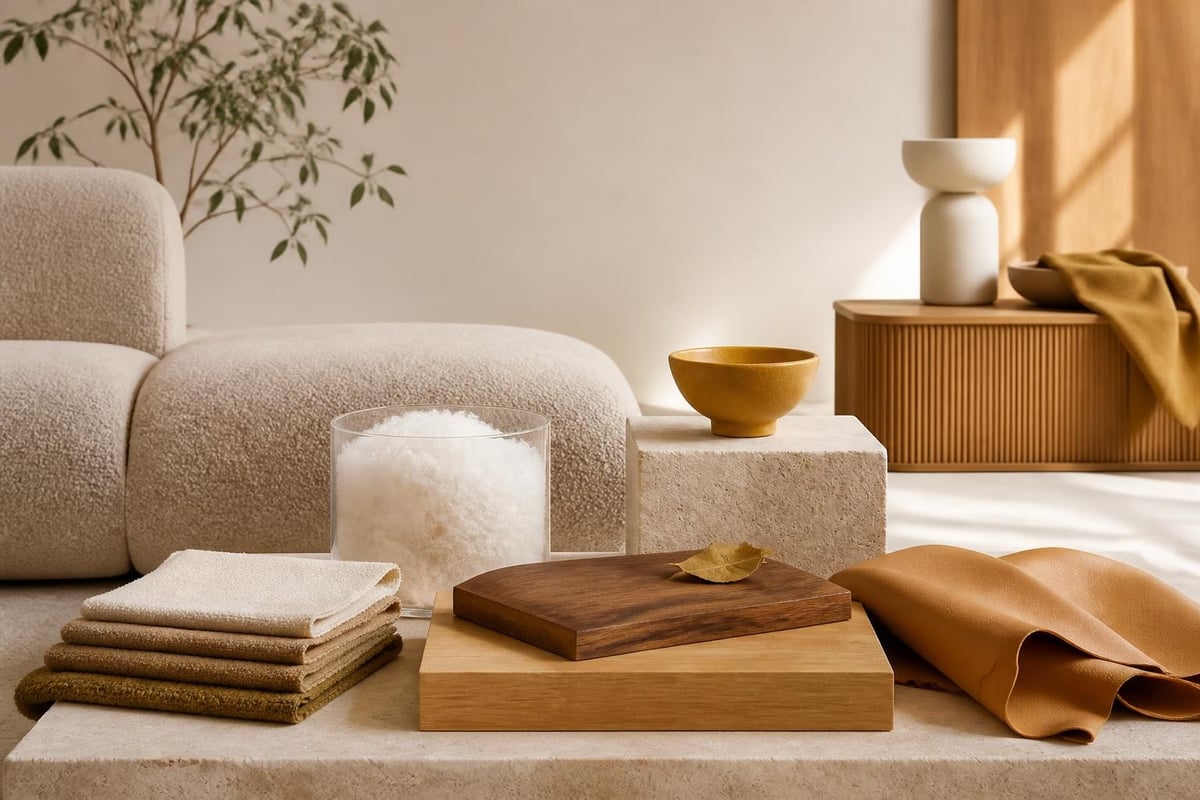
Current design directions favour warm neutrals over stark whites. Bouclé upholstery continues strong demand, though durability concerns make it better suited to formal living spaces than family rooms. Curved silhouettes soften angular architecture in new builds.
Modular dining systems allow configuration changes. Add or remove seats without replacing entire sets. This flexibility suits growing families and those who entertain variably.
Sustainable materials gain traction beyond marketing claims. Recycled polyester fills from post-consumer plastic, FSC timber, and low-formaldehyde adhesives address environmental impact. Brands like Brabantia demonstrate how functional household products can prioritise both quality and sustainability without compromise, a philosophy equally applicable to furniture selection.
Multifunctional pieces address space constraints. Extendable consoles convert to dining tables. Storage ottomans provide seating and concealment. Sofa beds accommodate overnight guests without dedicated spare rooms.
Maintaining Investment Pieces Long-Term
Vacuum upholstery weekly using brush attachments to prevent grit from abrading fibres. Rotate cushions monthly to distribute wear evenly. Address spills immediately: blot rather than rub, working from outside edges inward.
Timber furniture benefits from dusting with microfibre cloths. Avoid silicone-based polishes that build up and yellow. Refresh wax oil finishes annually by rubbing in thin coats along the grain. Protect surfaces from heat using trivets and coasters.
Leather requires specific care. Dust weekly and condition every 6-12 months using products formulated for your leather type. Aniline leather needs different treatment than pigmented finishes. Keep leather away from direct heat sources and prolonged sunlight.
Professional cleaning extends furniture life. Upholstery should receive expert attention every 24-36 months. Leather conditioning by specialists prevents cracking. Timber refinishing repairs deep scratches and revives dull finishes.
Budgeting for Quality Over Time
Price per year of use reveals true value. A $4,000 sofa lasting 15 years costs $267 annually. A $1,500 replacement needed every 5 years averages $300 per year. Quality pieces cost less over their lifespan.
Allocate budgets by usage intensity. Invest more in daily-use sofas and dining tables. Occasional chairs and side tables can occupy lower price points without compromising overall quality.
Budget allocation framework:
| Item | Recommended Budget Share | Expected Lifespan |
|---|---|---|
| Primary sofa | 30-40% | 12-15 years |
| Dining table | 20-25% | 15-20 years |
| Dining chairs (set) | 15-20% | 10-15 years |
| Storage pieces | 10-15% | 15-20 years |
| Occasional furniture | 5-10% | 8-12 years |
Phased purchasing spreads costs and allows living with pieces before committing to complete sets. Start with core items, then add complementary pieces as budget allows. This approach also prevents impulse decisions that compromise long-term satisfaction.
Working With Spatial Constraints
Small-footprint furniture maximises usable floor area without sacrificing function. Apartment-scale sofas at 1,800-2,000mm length provide full seating comfort. Compact dining tables at 1,200 x 750mm seat four daily and extend for occasions.
Wall-mounted storage frees floor space and creates visual lightness. Floating sideboards and media units reduce visual clutter. Glass or acrylic furniture maintains function while appearing less substantial than solid pieces.
Multi-zone furniture serves dual purposes. A desk-height console behind a sofa provides workspace without requiring separate home office furniture. Ottoman coffee tables offer both surface area and concealed storage.
Light-coloured upholstery and timber finishes reflect available light, making spaces feel larger. However, practicality matters in high-use homes: consider performance fabrics in neutrals that hide minor marks better than pure white.
For more ideas on making the most of contemporary furnishings in various room types, visit the Bauhaus blog for regular updates on styling and selection.
Specification Details That Matter
Ask retailers specific construction questions before purchasing living and dining room furniture. Frame timber species, joint methods and foam density separate quality from marketing. Kiln-dried hardwood resists warping. Dowelled joints with glue blocks outlast stapled construction.
Warranty terms indicate manufacturer confidence. Five years on frames suggests solid construction. Ten years signals exceptional quality. One year suggests budget manufacturing.
Delivery and assembly services protect your investment. Professional delivery prevents damage from amateur handling. White-glove service includes placement and packaging removal. Assembly warranties cover any faults from setup errors.
Return policies matter when purchasing sight-unseen. Thirty-day returns allow adequate testing. Restocking fees of 10-20% are standard. Custom orders typically carry no return option, making fabric samples essential before committing.
Selecting living and dining room furniture requires balancing immediate needs with long-term performance, material quality with spatial constraints, and personal style with practical function. When you're ready to explore pieces built to last and designed for how New Zealanders actually live, visit Bauhaus in Auckland to experience our curated collection firsthand and work with our team to find furniture that truly fits your home.