Selecting a 3 seater sofa nz means balancing size, construction and upholstery to suit your room and how you actually sit. A three-seater anchors most living rooms, seats a family comfortably, and needs to hold its shape through daily use. The difference between a sofa that feels right after five years and one that sags in eighteen months lies in frame materials, spring systems, foam density and cushion composition. This guide covers the structural and comfort factors that matter when choosing a 3 seater sofa in New Zealand, from birch frames to feather-down tops, webbing types to seat depth.
Frame Materials and Construction Standards
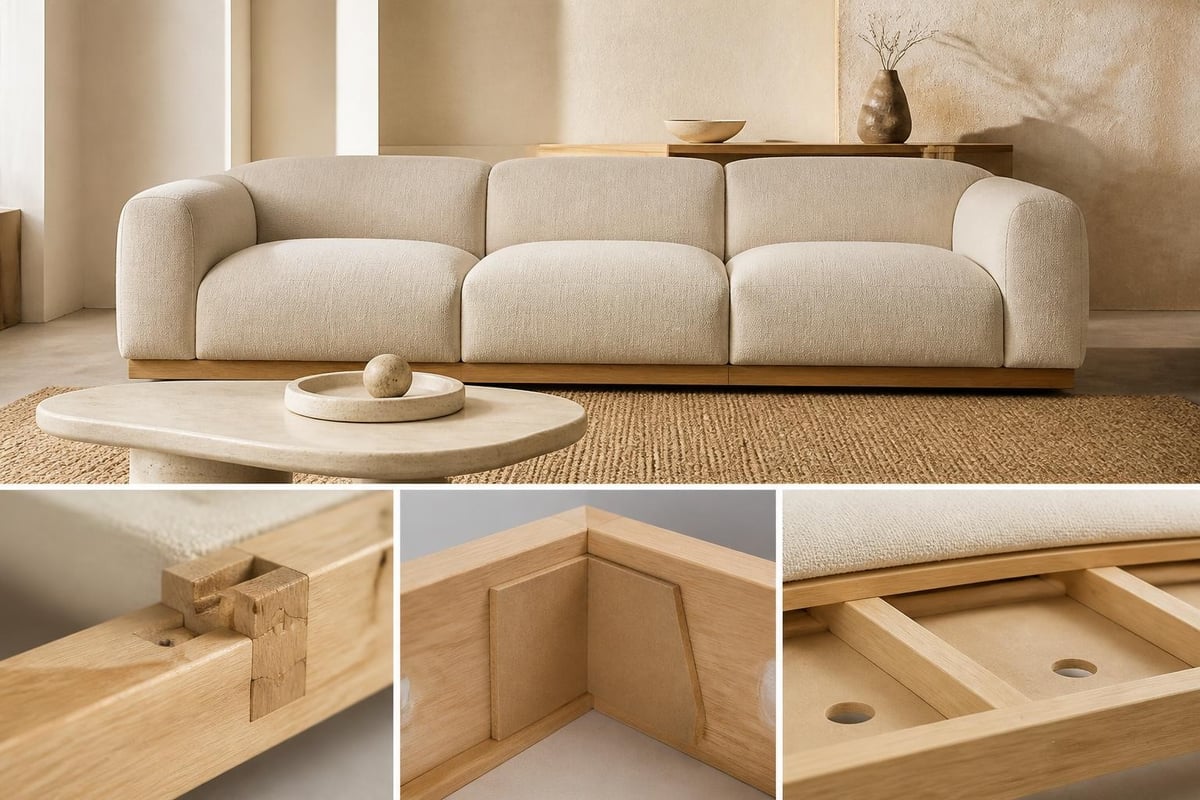
The frame determines how long your sofa lasts. A quality 3 seater sofa nz starts with kiln-dried hardwood, typically birch, beech or oak, joined at corners with dowels, screws and glue rather than staples alone. Frames reinforced with MDF or plywood panels add torsional rigidity without adding weight.
Hardwood vs Engineered Frames
Solid birch frames resist warping and carry heavier loads than softwood or particle board. Building material guidance from the New Zealand Government outlines indoor performance standards that apply to furniture frames. Engineered panels such as plywood cross-bracing provide dimensional stability in humid climates and reduce cost without sacrificing strength in non-structural zones.
High-grade frames use corner blocking, metal brackets and webbing stapled into the hardwood rail rather than thin edge material. Check whether the manufacturer discloses frame species and joinery methods. Vague descriptions such as "timber frame" often signal lower-grade materials.
| Frame Type | Durability | Cost | Common Use |
|---|---|---|---|
| Solid birch | Excellent | Higher | Premium sofas |
| Birch with plywood bracing | Very good | Moderate | Mid-range sofas |
| Softwood with MDF | Fair | Lower | Budget sofas |
Spring Systems and Webbing Options
Springs and webbing support the cushion above and prevent bottoming out when you sit. Three common systems appear in contemporary 3 seater sofa nz designs: cross-woven elastic webbing, rubber webbing and no-sag sinuous springs. Each offers different support characteristics and maintenance profiles.
Cross-woven elastic webbing stretches in two directions, creating a suspended platform that flexes with body weight. Rubber webbing provides firmer, more directional support and holds tension longer under heavy use. No-sag sinuous springs, also called zig-zag springs, run front to back and offer the most traditional upholstered feel with moderate give.
- Elastic webbing: flexible, quiet, suited to feather-down cushions, needs retensioning after years of use
- Rubber webbing: firm, consistent, low maintenance, pairs well with high-density foam
- No-sag springs: progressive support, traditional feel, audible when settling
Combining spring systems with high-resilient foam bases distributes load evenly and extends cushion life. Look for foam density ratings above 30 kg/m³ in seat cushions, paired with either channelled feather-down or fibre wrap for the surface layer.
Seat Depth, Height and Ergonomic Fit
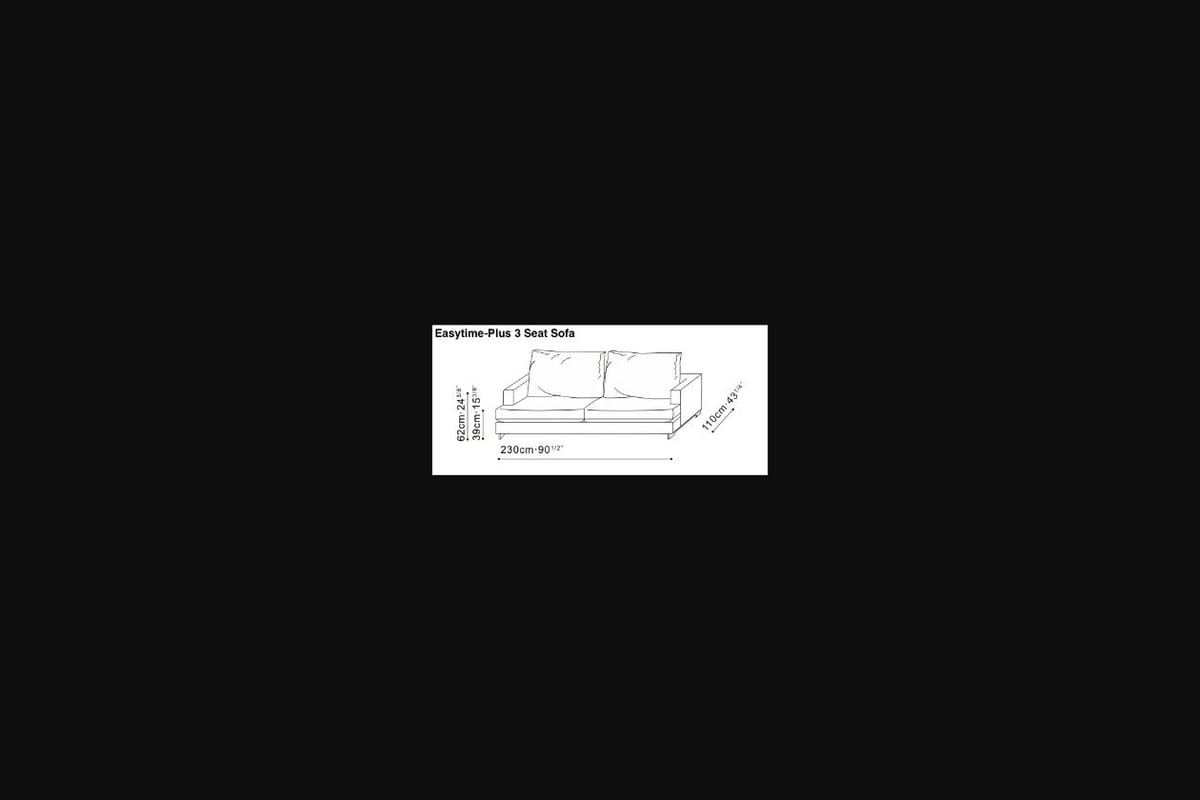
Seat depth separates lounging sofas from upright models. Standard three-seaters measure 85 to 95 cm deep; deeper formats reach 110 cm for feet-up sitting. Seat height, measured from floor to the top of the cushion, typically ranges from 38 to 45 cm. Lower seats suit casual lounging, higher seats make standing easier for older users or those with mobility concerns.
A deeper sofa like the Easytime-Plus 3 Seat Sofa offers 110 cm depth with a 39 cm seat height, designed for feet-up sitting with high-resilient foam cushions topped with compartmented feather-down. The solid birch frame carries cross-woven elastic webbing, and extra covers can be ordered for seasonal rotation or protection.
Choosing Depth for Your Use
Measure from the back of your knee to your lower back when seated. If that distance is less than the sofa's depth, you'll need lumbar support or throw cushions. Deep sofas reward relaxed posture but reduce seating positions. Shallower models, around 85 cm, support upright reading, working on a laptop or conversation without constant pillow adjustment.
Consider how often you host guests. A firmer, upright sofa accommodates more seating positions and suits dining-adjacent spaces where the sofa doubles as overflow seating during gatherings.
Cushion Composition and Maintenance Requirements
Cushion fill determines comfort and upkeep. Three main types dominate the 3 seater sofa nz market: high-density foam only, foam with feather-down tops, and foam with fibre wrap. Each brings different performance and maintenance.
High-density foam only: holds shape without plumping, firmer sit, wipes clean, suited to high-traffic households and commercial settings. Foam-only cushions don't soften with age as much as feather fills.
Foam with feather-down tops: softer initial sit, needs daily plumping to prevent flat spots, luxury feel, higher cost. Compartmented feather-down over foam cores offers the best balance, keeping feathers evenly distributed.
Foam with fibre wrap: mid-range softness, less plumping than feather, more give than foam alone, cost-effective. Polyester fibre wraps the foam core for a cushioned surface without feather migration.
| Cushion Type | Firmness | Plumping Needed | Durability | Cost |
|---|---|---|---|---|
| High-density foam | Firm | None | Excellent | Moderate |
| Foam + feather-down | Soft | Daily | Very good | Higher |
| Foam + fibre wrap | Medium | Occasional | Good | Lower |
Back cushions follow similar logic. Channelled feather-down backrests need regular plumping but mould to your body. Foam backrests with fibre wrap hold their shape and suit buyers who prefer low-maintenance upholstery.
Upholstery Fabrics, Leathers and Performance Ratings
Upholstery fabric affects durability, cleaning and room aesthetic. Performance fabrics resist staining and abrasion, measured in Martindale rubs (higher is better). Aim for 25,000+ rubs for moderate use, 40,000+ for households with children or pets.
Leather upholstery ages differently. Full-grain aniline leather develops a patina and shows scratches, requiring regular conditioning. Pigmented or protected leather hides wear better, cleans with a damp cloth, and suits high-traffic areas. Eco leather (bonded or corrected-grain leather) offers a budget alternative with consistent colour and texture.
Fabric Care and Longevity
Upholstery care guidance from New Zealand retailers emphasises weekly vacuuming and immediate spot treatment. Removable covers suit households wanting seasonal rotation or machine washing, though tailored fixed covers often provide cleaner lines and less shifting.
Check whether the manufacturer offers replacement covers or cushion cores. Long-term ownership means eventually replacing foam or feather inserts. Sofas designed with modular cushions and accessible zips make that process straightforward.
Sofa Safety, Fire Retardants and New Zealand Standards
New Zealand regulates foam safety in upholstered furniture to reduce fire risk. The Product Safety policy statement on foam-filled furniture from MBIE outlines current regulatory thinking. While New Zealand does not mandate the same strict fire-retardant treatment required in some overseas markets, reputable manufacturers specify low-smoke, reduced-flame-spread foams in seat and back cushions.
Ask your retailer about foam composition and whether chemical fire retardants are applied. Some buyers prefer untreated natural materials; others prioritise fire safety, particularly in homes with young children or where smoking occurs indoors.
Configuring a Three-Seater for Your Room Layout
Room size and traffic flow dictate sofa placement. A 3 seater sofa nz typically measures 200 to 230 cm wide. Allow at least 90 cm clearance in front for a coffee table and foot traffic, and 10 to 15 cm between the sofa back and the wall for air circulation and cleaning access.
Floating a sofa away from the wall suits open-plan layouts and defines zones without physical barriers. Placing the sofa against a wall conserves floor space in smaller rooms. Consider sight lines to the television, windows and entrance doors. You want clear views without blocking natural light or creating awkward furniture angles.
Multi-Use Rooms and Modular Alternatives
In combined living and dining spaces, a straight three-seater maintains clean sight lines. L-shape or modular sofas divide zones more definitively but require larger footprints. Compare a straight 3 seater sofa nz model with corner configurations before committing.
For media rooms where the sofa faces a screen, prioritise seat depth and back support over visual lightness. Deeper seats and higher backrests improve comfort during long viewing sessions. If your room also serves as a guest space, check whether cushions can be removed for floor sleeping or whether the frame can accommodate a pull-out mattress base.
Leg Styles, Plinth Bases and Floor Clearance
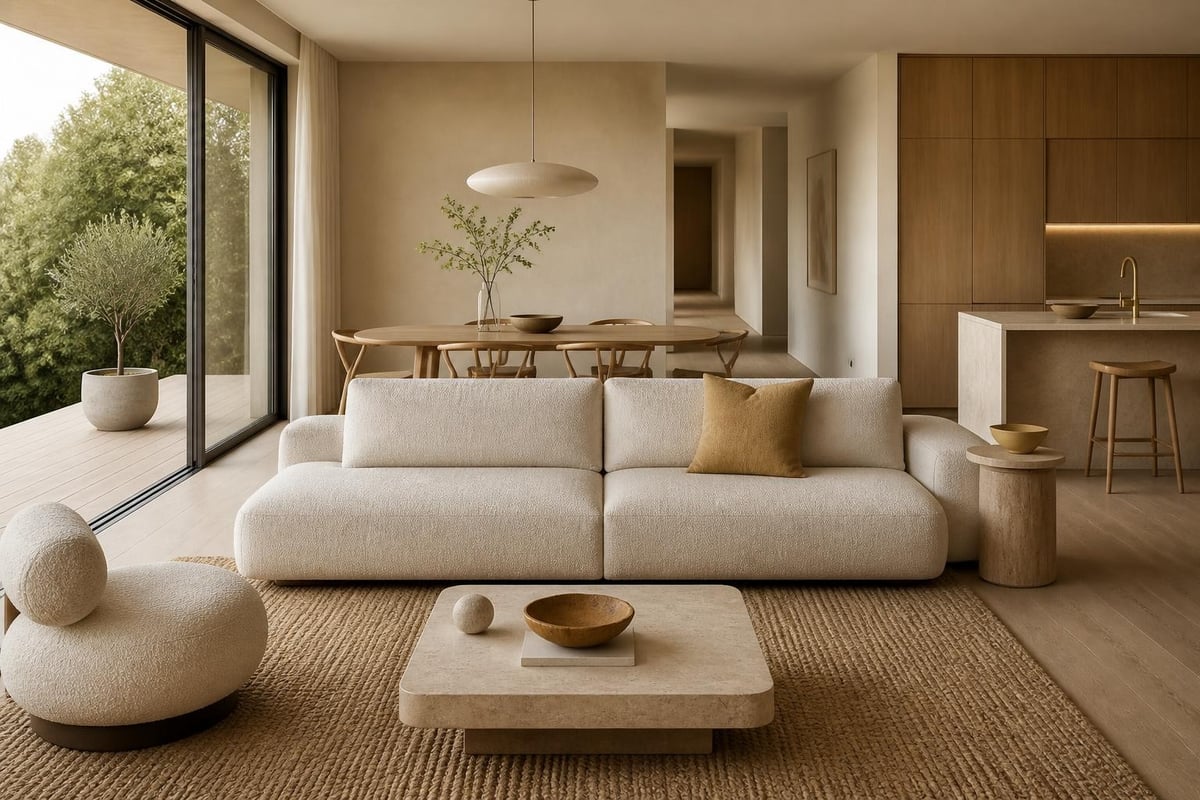
Leg design affects cleaning, visual weight and room style. Exposed legs on black steel or timber create space beneath the sofa, making floors easier to vacuum and visually enlarging small rooms. Recessed plinths or low timber bases give a grounded, minimal silhouette but trap dust and reduce perceived floor area.
Higher legs (15 cm or more) suit homes with robotic vacuum cleaners and buyers who prefer visible flooring. Lower profiles (under 10 cm) suit buyers prioritising a low-slung, modern aesthetic. Metal legs typically include plastic glides to protect timber or tile floors; check that glides are replaceable.
Leg finish should coordinate with other furniture. Black metallic legs pair well with contemporary dining tables and side tables, while timber legs in walnut or ash suit warmer, layered interiors. Some manufacturers offer interchangeable leg options, letting you update the look without replacing the entire sofa.
Comparing Sofa Brands and Retail Channels
New Zealand's furniture market includes imported volume brands, local manufacturers and curated specialty retailers. Imported sofas often cost less but may not account for New Zealand's humidity, UV exposure or local service networks. Local retailers provide showroom access, personalised advice and easier warranty claims.
Consumer NZ offers guidance on furniture warranties, returns and consumer rights. Check whether the retailer provides in-home service, replacement parts and fabric samples. Buying from a family-owned business often means speaking directly with staff who understand construction and can source custom configurations.
Look beyond the ticket price. Compare frame warranty, cushion guarantee and whether delivery includes assembly and packaging removal. A higher upfront cost with a ten-year frame warranty and free refoaming after five years can cost less over the sofa's life than a budget model replaced every three years.
Sustainable Materials and End-of-Life Considerations
Furniture waste contributes significantly to landfill volume. WasteMINZ research highlights resource recovery challenges for upholstered furniture in New Zealand. Choosing a durable 3 seater sofa nz with replaceable covers and cushions reduces waste and extends product life.
Timber Certification and Foam Sourcing
Ask whether timber frames carry FSC or PEFC certification, indicating sustainably managed forests. Foam suppliers increasingly offer recycled-content or bio-based foams, though availability and performance vary. Leather tanning processes differ widely in environmental impact; vegetable-tanned leather avoids heavy metals but costs more and requires more care.
Some retailers accept old sofas for recycling or donation when delivering new pieces. Check local council resources for bulky waste collection or furniture banks that refurbish and redistribute used items. Well-made sofas often find second homes through online marketplaces, extending useful life and reducing manufacturing demand.
Delivery, Access and Assembly Logistics
Three-seater sofas require doorways at least 85 cm wide and stairwells with adequate turning radius. Measure door frames, hallway widths and any tight corners before purchase. Many contemporary models feature modular construction, allowing delivery in separate pieces that assemble on-site.
Ask your retailer about white-glove delivery, which includes unpacking, assembly and packaging removal. Standard delivery may leave boxes at your door, requiring you to manoeuvre a heavy sofa through narrow spaces. If access is tight, consider whether legs or arms detach for slimmer profiles.
Check delivery lead times, particularly for custom fabrics or leathers. New Zealand's distance from manufacturing hubs means imported stock can take twelve weeks or more. Locally stocked models ship faster but may offer fewer upholstery choices.
Long-Term Comfort and How Sofas Age
A 3 seater sofa nz changes character with use. Feather-down cushions soften and mould to frequent sitting positions, requiring rotation and plumping. Foam cushions retain shape better but eventually lose resilience, usually after five to eight years of daily use. Leather develops patina and stretch marks where arms rest; fabric shows wear in high-contact areas.
Plan for mid-life refreshes: refoaming seat cushions, adding throw pillows for lumbar support, or ordering new covers. Sofas built with removable cushion cores and accessible zips make these updates straightforward. Fixed-cushion models require professional reupholstery, which costs less than replacement but still represents a significant investment.
Signs Your Sofa Needs Attention
- Seat cushions no longer spring back after sitting
- Visible frame sag or creaking when weight shifts
- Fabric pilling, fading or permanent stains
- Uneven cushion fill creating lumps or flat spots
Address minor issues early. Tightening loose screws, rotating cushions weekly and conditioning leather quarterly extend lifespan and maintain comfort. Your Home & Garden's buying guide reinforces the importance of maintenance in sofa longevity.
Pairing Sofas with Complementary Furniture
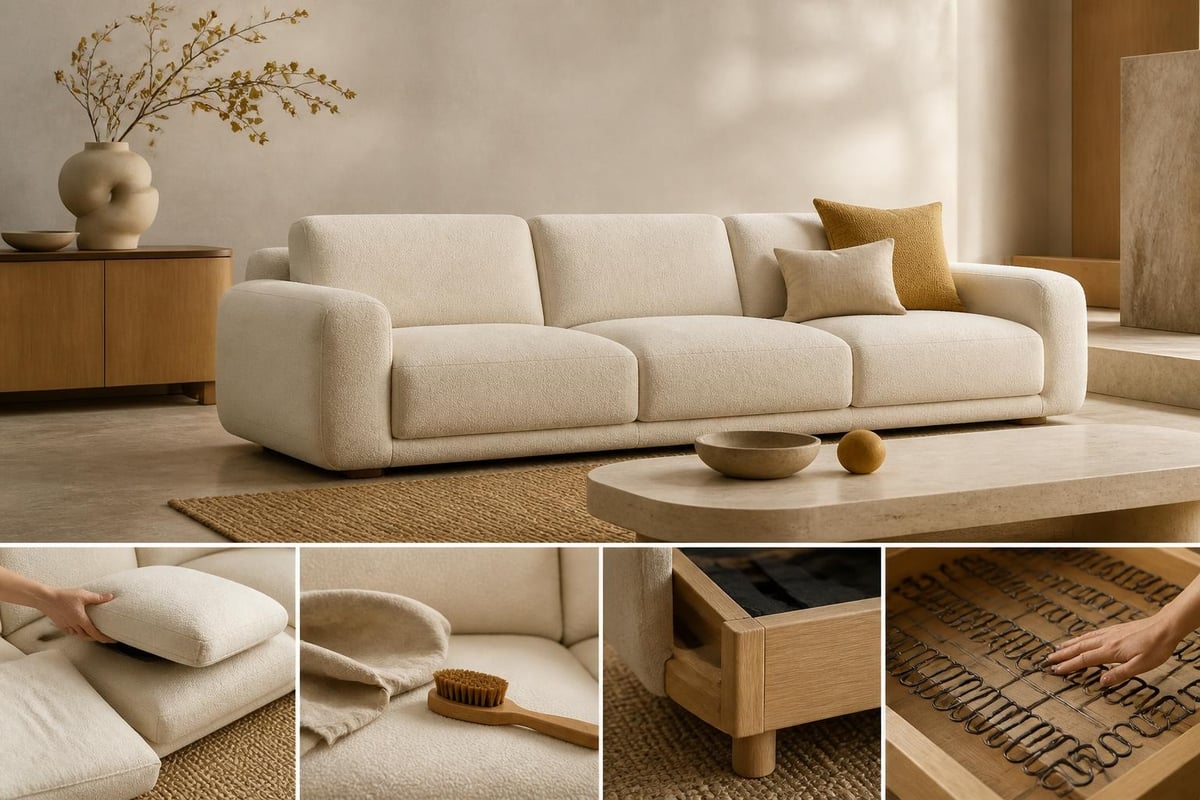
A 3 seater sofa nz anchors the living room, but side tables, coffee tables and occasional chairs complete the layout. Match materials and finishes for cohesion. Timber legs on the sofa pair naturally with timber dining chairs or side tables in the same species or stain colour.
Coffee table height should sit level with or slightly below the sofa seat for comfortable reach. Allow 40 to 50 cm between the sofa edge and table for legroom. If your living room doubles as a media space, consider working with ANR media for custom home cinema and audio video solutions that integrate furniture placement with speaker positioning and screen sightlines.
Occasional chairs in complementary fabrics add seating without blocking sightlines. Swivel chairs suit corner placements where fixed armchairs point the wrong way half the time. For more on coordinating living and dining room pieces, see Bauhaus guidance on living and dining room furniture.
Showroom Visits and Testing Before Purchase
Online research narrows options, but sitting on a sofa reveals comfort details no photograph can. Visit showrooms to test seat depth, back support and cushion firmness. Spend at least ten minutes on each model, shifting positions and leaning back fully.
Bring measurements of your room, including doorway widths and ceiling heights. Showroom staff can confirm whether a sofa fits your space and suggest alternative configurations. Ask about current lead times, fabric availability and whether floor models are available for faster delivery.
Showrooms also stock fabric and leather swatch books, letting you compare colours and textures in natural light. Camera screens distort colour; swatches show true hue and sheen. Take swatches home to compare against existing furniture, wall paint and flooring before committing.
Pricing Tiers and What You Get at Each Level
Budget 3 seater sofa nz models (under NZD 2,000) typically feature softwood frames, lower-density foam and staple construction. Expect shorter warranties and limited upholstery choices. These sofas suit rental properties, first homes or short-term use.
Mid-range models (NZD 2,000 to 5,000) offer hardwood frames, webbed or sinuous spring systems, and removable covers. Warranties extend to five or ten years on frames. Upholstery options expand to include performance fabrics and entry-level leathers.
Premium sofas (above NZD 5,000) provide solid hardwood frames with corner blocking, channelled feather-down cushions, full-grain leather and comprehensive warranties. These pieces last decades with proper care and often appreciate in design value. For a closer look at contemporary sofa design principles, explore Bauhaus's modern contemporary sofa insights.
| Price Tier | Frame | Cushion | Warranty | Typical Lifespan |
|---|---|---|---|---|
| Budget | Softwood | Foam only | 1-2 years | 3-5 years |
| Mid-range | Hardwood | Foam + fibre | 5-10 years | 8-12 years |
| Premium | Hardwood + bracing | Foam + feather | 10+ years | 15-20 years |
Disclaimer: AI-supported images may differ from products on website.
Choosing a 3 seater sofa nz requires balancing frame construction, cushion composition, upholstery performance and ergonomic fit to suit your household and room layout. Whether you prioritise feather-down softness, high-density foam resilience or removable covers for easy maintenance, understanding the structural details ensures comfort and durability for years of daily use. At Bauhaus, our Auckland showrooms display a curated range of contemporary three-seaters with transparent construction details, expert advice and personalised service to help you find the right sofa for your home.