Choosing a leather sofa nz means understanding the difference between full-grain aniline, semi-aniline and pigmented finishes, knowing how the frame is built, and recognising what makes one piece hold its shape over years of daily use while another sags within months. Leather remains one of the most durable upholstery materials available, particularly suited to New Zealand homes where pets, children and outdoor lifestyles demand furniture that can be wiped clean without losing its character. The right leather sofa balances material quality, internal construction and finish to suit how you actually live, not just how the room looks on installation day.
Understanding Leather Types and Finishes
Not all leather sofas are created equal. The finish determines how the material ages, what maintenance it requires and how resistant it is to stains and scratches.
Aniline Leather
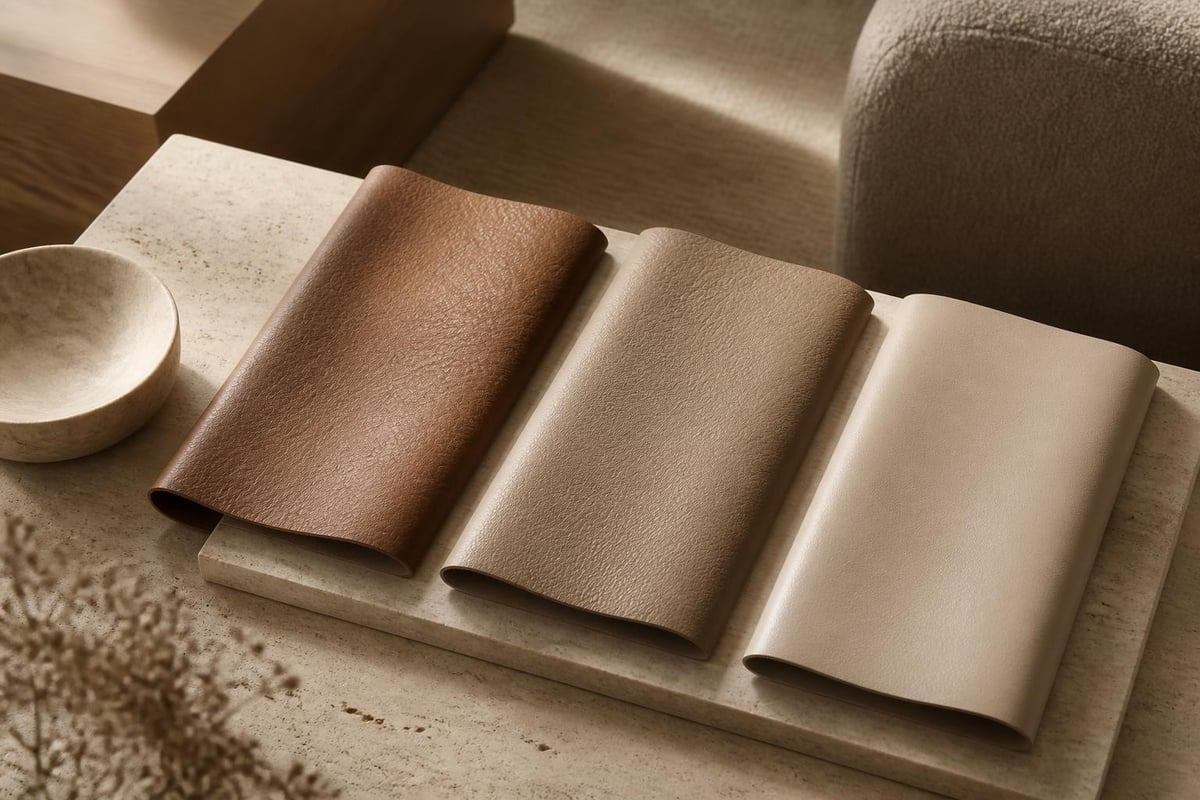
Aniline leather is dyed with soluble dyes that penetrate the hide without adding a protective topcoat. This keeps the natural grain visible and the surface soft to the touch. It develops a patina over time, with use marks and colour variation considered part of the character. Aniline requires more care than other finishes, shows water spots easily and is not ideal for high-traffic family rooms or homes with young children. The Leather Research Laboratory explains aniline leather in detail, covering why the finish feels different and how it responds to everyday wear.
Semi-Aniline Leather
Semi-aniline leather adds a light protective topcoat over the aniline dye, offering better stain resistance while retaining much of the natural grain and soft hand. This finish strikes a balance between durability and natural appearance, making it the most common choice for leather sofa nz buyers who want character without constant maintenance. It handles spills better than aniline, resists fading from sunlight more effectively and still develops a gentle patina with age.
Pigmented (Protected) Leather
Pigmented leather receives a polymer surface coating that obscures much of the natural grain but provides the highest level of protection against stains, scratches and UV fading. The surface is uniform in colour and texture, making it the most practical choice for family homes, commercial settings or anyone prioritising easy care over natural variation. Pigmented leather wipes clean with a damp cloth, resists most spills and requires minimal ongoing treatment. The trade-off is a surface that feels less supple and ages without the patina that characterises aniline finishes.
| Leather Type | Grain Visibility | Stain Resistance | Care Level | Best For |
|---|---|---|---|---|
| Aniline | Full natural grain | Low | High maintenance | Low-traffic, adults-only spaces |
| Semi-Aniline | Mostly visible grain | Moderate | Medium maintenance | Balanced use, family rooms |
| Pigmented | Minimal grain | High | Low maintenance | High-traffic, pets, children |
Frame Construction and Internal Support
The leather is only as good as the structure beneath it. A leather sofa nz piece built on a solid timber frame with properly spaced suspension will outlast one with a cheaper composite frame and sagging webbing, regardless of the hide quality.
Frame Materials
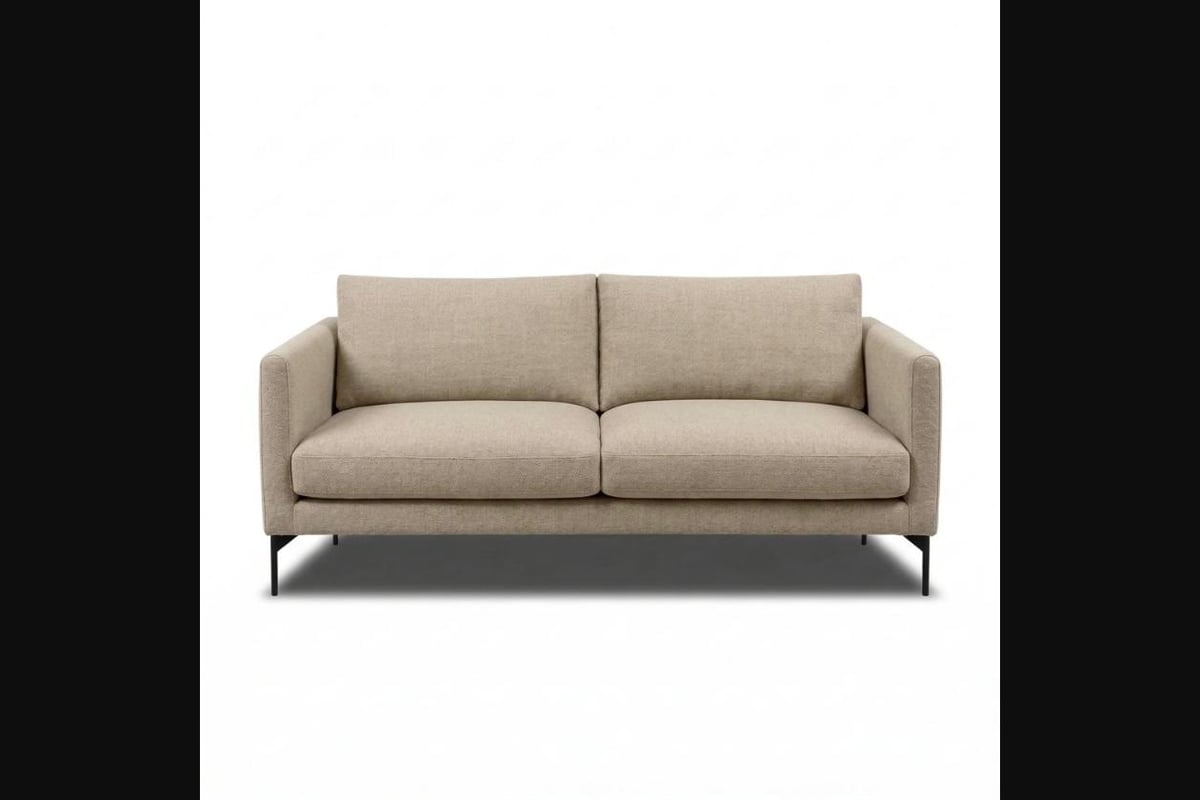
Solid hardwood frames, typically birch or beech, provide the foundation for long-term structural integrity. These frames are kiln-dried to prevent warping and jointed with dowels, screws and corner blocks rather than staples alone. Some manufacturers reinforce the frame with plywood or MDF panels in low-stress areas to reduce cost without sacrificing strength in the places that matter. Metal frames appear in more contemporary designs, often powder-coated steel or aluminium providing a slim profile and high weight capacity. The Bauhaus Easytime-Plus 3 Seat Sofa uses a solid birch frame reinforced with MDF and plywood, a construction approach that delivers durability in the seat deck while keeping the overall weight manageable.
Suspension Systems
Suspension determines how the seat feels and how well it recovers after use. No-sag spring systems, also called sinuous or zigzag springs, run from front to back and are clipped to the frame with metal brackets. They provide firm, long-lasting support and are standard in mid-to-high-end sofas. Elastic webbing, made from interwoven rubber and synthetic strands, offers a slightly softer sit and is lighter in weight. It performs well when properly tensioned but can stretch over time if the quality is poor or the sofa is overloaded. Coil springs, the traditional approach, are individually tied and provide excellent resilience but add weight and cost.
Cushion Fill and Comfort Profiles
Cushion construction affects daily comfort, how often you need to plump and reshape, and how the sofa looks after a year of use.
Foam-Only Cushions
High-density polyurethane foam forms the core of most modern cushions, with density measured in kilograms per cubic metre. Higher density foams (35kg/m³ and above) hold their shape better and last longer than cheaper, softer foams. Layered foam cushions use a firmer base foam topped with a softer comfort layer, offering support without feeling hard. Foam-only cushions require minimal maintenance, hold their shape consistently and suit people who prefer a firmer, more structured sit.
Feather-Wrapped Foam
Feather-down or fibre wraps over a foam core provide a softer surface feel while the foam maintains support. This combination delivers the plush sit of a feather cushion without the flattening that comes from feather-only fills. The feather layer needs regular plumping to redistribute the fill and prevent the cushions from looking deflated. If you are prepared to reshape cushions weekly, the comfort trade-off is worth it. If low-maintenance matters more, stick with foam.
Full Feather Cushions
Down and feather cushions offer the softest, most enveloping sit but require the most upkeep. They flatten with use and need daily plumping to maintain their appearance and comfort. These cushions suit formal living rooms or spaces used occasionally rather than everyday family seating.
Selecting the Right Leather Sofa for Your Space
Choosing a leather sofa nz involves matching the piece to room size, layout, lifestyle and how you actually use the furniture.
Measuring and Configuration
Measure doorways, hallways and stairwells before you commit to a size, particularly for larger sectional configurations. A three-seat sofa typically runs between 210cm and 240cm wide. L-shape and modular designs need more floor space but offer flexibility in how you arrange seating. Corner units, chaise extensions and ottomans can be configured left or right depending on the room layout. Seat depth matters as much as width. A shallow 85cm depth suits upright sitting for reading or conversation. Deeper seats (100cm and above) encourage feet-up lounging but make it harder to rise for some users.
- Width: measure wall space and allow for side tables or floor lamps
- Depth: match to how you sit (upright vs reclined)
- Height: consider ceiling height and window sills
- Access: door widths, stair turns, lift dimensions
Lifestyle Considerations
Homes with pets need pigmented leather that resists scratches and cleans easily. Cats are harder on leather than dogs due to claws, but both are manageable with the right finish. Families with young children benefit from semi-aniline or pigmented finishes that handle spills without staining. Aniline leather suits quieter households or rooms used primarily by adults. UV exposure fades all leather over time, but pigmented finishes resist it better than aniline. Position sofas away from direct sunlight or use window treatments to extend the life of the colour.
Caring for Leather Sofas Long-Term
Proper care extends the life of a leather sofa from a decade to several, maintaining both appearance and structural integrity.
Regular Cleaning
Dust and vacuum leather weekly using a soft brush attachment to prevent dirt from settling into the grain. Wipe with a slightly damp microfibre cloth to remove surface grime, then dry immediately with a clean cloth. Avoid soaking the leather or using excessive water, which can cause staining and stiffness. The Which? guide on sofa cleaning provides independent testing on what works and what damages upholstery, including leather-specific methods.
Conditioning and Protection
Leather conditioner replenishes natural oils and prevents the surface from drying and cracking. Apply conditioner every six to twelve months depending on the environment, more often in dry climates or homes with underfloor heating. Test any product on an inconspicuous area first. Pigmented leather needs less conditioning than aniline because the protective topcoat seals the surface. Aniline and semi-aniline benefit from regular conditioning to maintain suppleness. This Old House explains conditioning in practical detail, covering when to condition, what products work and how to avoid over-treatment.
Dealing with Spills and Stains
Blot spills immediately with a clean, absorbent cloth. Do not rub, which pushes the liquid deeper into the leather. For water-based spills, blot and air-dry. For grease or oil, dust with talcum powder or cornflour, leave for a few hours to absorb the oil, then brush off gently. Avoid household cleaners, solvents or ammonia-based products, which can strip the finish or discolour the leather. The Commerce Commission outlines care labelling obligations for textile and leather goods sold in New Zealand, so check the manufacturer's care instructions before using any cleaning method.
Environmental and Safety Standards in New Zealand
Leather production and furniture safety are regulated to protect both consumers and the environment.
Sourcing and Certification
The Leather Working Group (LWG) assesses environmental impact across tanneries worldwide, rating facilities on water use, chemical management and waste treatment. LWG-certified leather indicates a tannery has met audited environmental standards. New Zealand importers increasingly source from certified tanneries, though certification is not yet mandatory. The New Zealand Ecolabelling Trust sets criteria for textiles and leather products seeking the Environmental Choice label, covering chemical restrictions, tanning methods and product lifespan.
Product Safety Requirements
Product Safety New Zealand outlines responsibilities for businesses selling furniture, including structural integrity, flammability and chemical content. While New Zealand does not have furniture-specific safety standards equivalent to some markets, general consumer protection law requires products to be safe for their intended use. Reputable retailers test for formaldehyde in foam, flame retardant compliance and structural load limits before bringing a leather sofa nz range to market.
Comparing Leather to Other Upholstery Materials
Leather sits alongside fabric, microfibre and performance textiles in the upholstery market, each with distinct advantages.
| Material | Durability | Cleaning | Comfort | Lifespan |
|---|---|---|---|---|
| Leather (Pigmented) | High | Wipe clean | Firm, cool in summer | 15-25 years |
| Leather (Aniline) | Moderate | Specialist care | Soft, breathable | 10-20 years |
| Performance Fabric | High | Spot clean, some machine washable | Variable | 10-15 years |
| Cotton/Linen Blend | Moderate | Dry clean or professional | Soft, warm | 7-12 years |
Leather breathes better than synthetic materials, staying cooler in summer and warmer in winter. It does not trap allergens the way fabric does, making it easier to keep clean for asthma or allergy sufferers. Fabric offers more colour and pattern options, suits contemporary and traditional styles equally and costs less at equivalent quality levels. Performance fabrics now rival leather for stain resistance and are often machine washable, a significant advantage for families. The choice depends on priorities: ease of cleaning, tactile preference, visual style and budget.
Buying a Leather Sofa in New Zealand
Local showrooms, online retailers and direct importers all serve the New Zealand market, each with different service models and price points.
Showroom vs Online
Seeing and sitting on a leather sofa before purchase removes guesswork about firmness, seat depth and finish. Showrooms provide samples of leather types, demonstrate how cushions feel after being sat on and explain construction in person. Bauhaus operates two Auckland showrooms where the team can walk through frame construction, leather grades and configuration options tailored to your room. Online retailers offer broader selection and competitive pricing but require trusting product descriptions and return policies sight-unseen. If you know exactly what you want, online works. If you are comparing materials or unsure about scale, visit a showroom first.
Custom vs Ready-Made
Custom leather sofas allow you to select the frame style, leather grade, colour and configuration to suit the space exactly. Lead times run from eight to sixteen weeks depending on the manufacturer and whether the leather is in stock. Ready-made pieces ship faster, often within a few weeks, but limit choice to the colours and configurations already produced. Custom costs more but delivers a piece built to your specifications. Ready-made suits faster timelines and smaller budgets.
Delivery and Installation
Leather sofas are heavy, particularly those with solid timber frames and spring suspension. Professional delivery includes bringing the piece into the room, assembling modular sections and removing packaging. Check what is included in the delivery fee. Some retailers deliver to the door only, others offer full white-glove service. Modular designs in separate pieces make access easier through tight doorways and up stairs. If access is difficult, ask whether the sofa can be delivered in sections rather than fully assembled.
The Role of Leather Sofas in Contemporary New Zealand Interiors
Leather sofas anchor living spaces in new builds, renovations and furnished developments across New Zealand, offering material honesty and long-term performance.
Design Integration
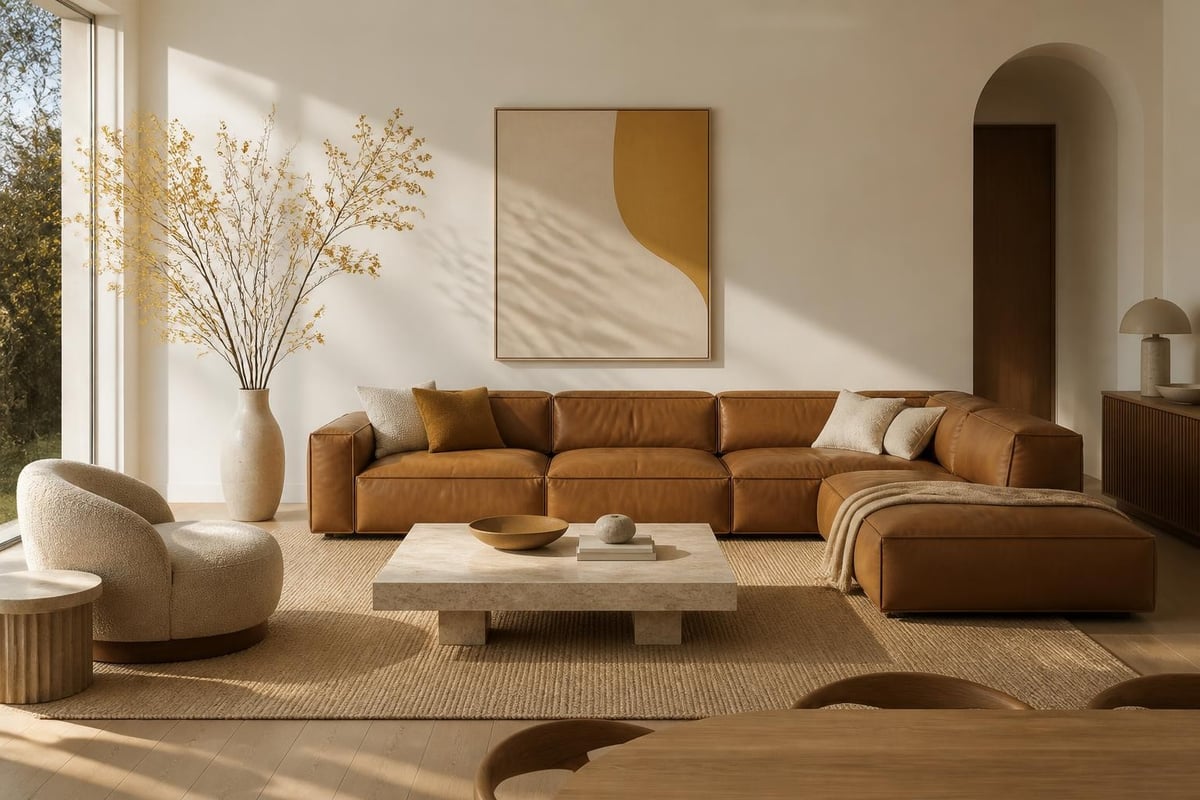
Leather pairs well with natural timber, concrete, steel and stone, materials common in contemporary New Zealand architecture. A pigmented leather sofa in charcoal or black grounds an open-plan living area, providing visual weight without competing with architectural features. Lighter leathers in taupe, grey or tan suit coastal and rural settings where natural light is abundant. Leather works in minimalist interiors, mid-century schemes and industrial-style lofts, adapting to the surrounding palette through colour and finish rather than pattern or texture.
Furniture Layering
Leather sofas combine well with fabric occasional chairs, timber side tables and metal lighting. Mixing materials adds depth to a room without clashing if the colour palette is controlled. A leather sofa with linen cushions softens the overall look. Pairing leather seating with a timber dining table creates material continuity across open-plan spaces, reinforcing a natural, grounded aesthetic. For more on combining living and dining furniture, read about living and dining room furniture and how different pieces work together.
Commercial and Residential Applications
Developers and interior designers specify leather sofas for their durability in commercial settings: hotel lobbies, corporate lounges and co-working spaces where seating is used heavily and needs to stay presentable with minimal upkeep. Pigmented leather meets these demands better than fabric. In residential projects, leather suits clients who value longevity over trend-driven updates, a practical choice for investment properties or family homes where furniture is expected to last decades rather than seasons.
Disclaimer
AI-supported images may differ from products on website.
Selecting the right leather sofa nz means looking past surface appearance to understand frame construction, suspension systems, cushion fill and finish durability, then matching those details to how you use the space. Whether you need a pigmented finish that wipes clean in a family room or a semi-aniline piece that develops character in a formal lounge, the right combination of materials and construction will serve you for years. Visit Bauhaus in Auckland to sit on different frames, compare leather grades and talk through configurations that suit your home and lifestyle.