A quality rug anchors a room, defines zones and adds warmth underfoot without the commitment or cost of fitted carpet. For New Zealand homeowners balancing hard flooring with comfort, rugs offer flexibility to shift layouts, protect floors and absorb sound in open-plan spaces. This guide covers material choices, sizing, placement and care practices suited to modern living, with attention to construction, maintenance and sustainability.
Understanding Rug Materials for New Zealand Homes
Wool remains the benchmark for durability and natural performance. It regulates moisture, resists staining and wears evenly when woven or tufted into pile. New Zealand wool rugs often carry tighter weaves and cleaner fibres than imported alternatives, with local makers using crossbred fleece for hard-wearing utility rugs and merino for finer hand-knotted pieces. Woolmark guidance outlines fibre-specific care, critical for preserving lanolin protection and pile structure.
Synthetics offer affordability and stain resistance. Polypropylene rugs suit high-traffic hallways and kitchens where spills happen frequently. They resist fading under UV exposure, relevant for rooms with northern sun in New Zealand. Nylon holds colour better than polypropylene and recovers from compression faster, making it suited to dining zones under table legs and chairs.
Natural Fibres Beyond Wool
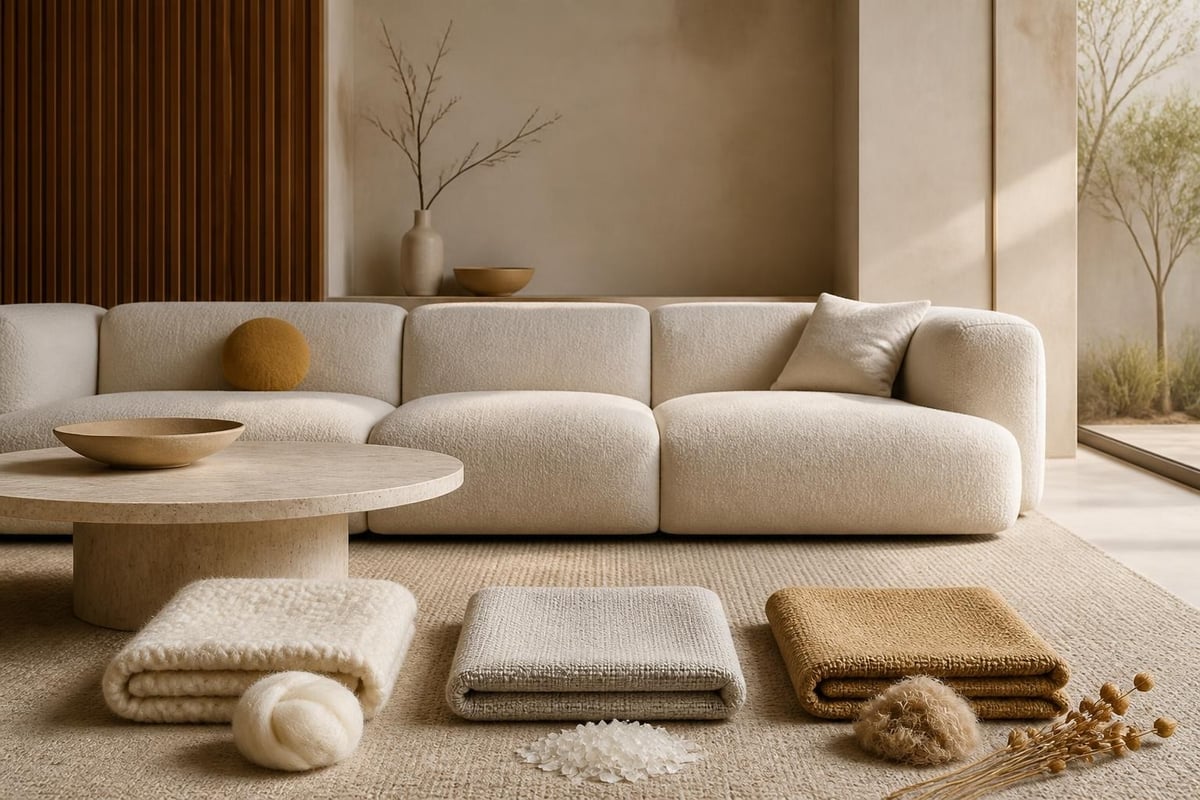
Jute, sisal and seagrass bring texture and a casual aesthetic. Jute softens underfoot but sheds fibres in the first months and stains easily, best suited to low-traffic bedrooms or layered under smaller accent rugs. Sisal holds shape and resists wear but feels coarse; it suits entrance halls and utility zones where barefoot comfort is secondary. Seagrass repels moisture naturally, useful in coastal homes prone to humidity, though it lacks the plush feel most living rooms require.
Viscose mimics silk at lower cost, with a sheen that photographs well but wears poorly. It watermarks permanently and crushes under furniture weight. Viscose rugs suit decorative use in bedrooms or studies, not everyday living zones.
Sizing and Placement for Room Function
Rug size dictates whether the piece grounds furniture or floats as an accent. In living rooms, a rug should sit under the front legs of sofas and chairs or extend fully beneath all furniture, creating a cohesive seating zone. A rug that stops short of furniture legs fragments the space visually and shifts underfoot when sofas are moved.
For dining tables and chairs, measure the table footprint plus 60 centimetres on each side to allow chairs to pull out without catching the rug edge. A 1.8-metre table needs a minimum 2.4 by 3-metre rug; a 2.4-metre table requires 3 by 3.6 metres. Under-sizing creates a trip hazard and damages rug edges.
Bedroom rugs typically run under the lower two-thirds of the bed, extending 45 to 60 centimetres beyond the mattress on three sides. Alternatively, place smaller rugs on either side of the bed as landing pads. Full room coverage suits carpeted feels; runner-style placement suits timber or polished concrete floors where you want warmth underfoot without hiding the floor material entirely.
| Room Type | Minimum Rug Size | Placement Guidance |
|---|---|---|
| Lounge (sofa 2.5m) | 2.4 x 3.0m | Front legs on rug, or all furniture within rug perimeter |
| Dining (table 1.8m) | 2.4 x 3.0m | 60cm clearance each side for chair pull-out |
| Bedroom (queen bed) | 2.0 x 2.7m | Under lower two-thirds, extend 45-60cm beyond sides and foot |
| Hallway | 0.8 x 2.4m runner | Centre runner with 20cm floor visible each side |
Selecting Pile Height and Weave Type
Pile height affects both comfort and practicality. Low pile (under 10 millimetres) sits flat, resists compression and allows chairs and furniture to move smoothly. It suits dining zones, home offices and entrance halls where wheeled desk chairs or frequent foot traffic would crush deeper pile. Flatweave rugs eliminate pile altogether, offering reversible designs and easy cleaning but no cushioning underfoot.
Medium pile (10 to 20 millimetres) balances softness with durability. It holds shape under moderate traffic and provides acoustic dampening in open-plan living spaces. Most contemporary lounge furniture pairs well with medium-pile wool or wool-blend rugs that absorb sound without trapping debris.
High pile (over 20 millimetres) delivers maximum warmth and luxury but requires regular vacuuming and shows furniture indents. Shag and flokati styles suit bedrooms and low-traffic reading corners. They snag on furniture legs and shift underfoot in active zones.
Weave Structure and Wear Patterns
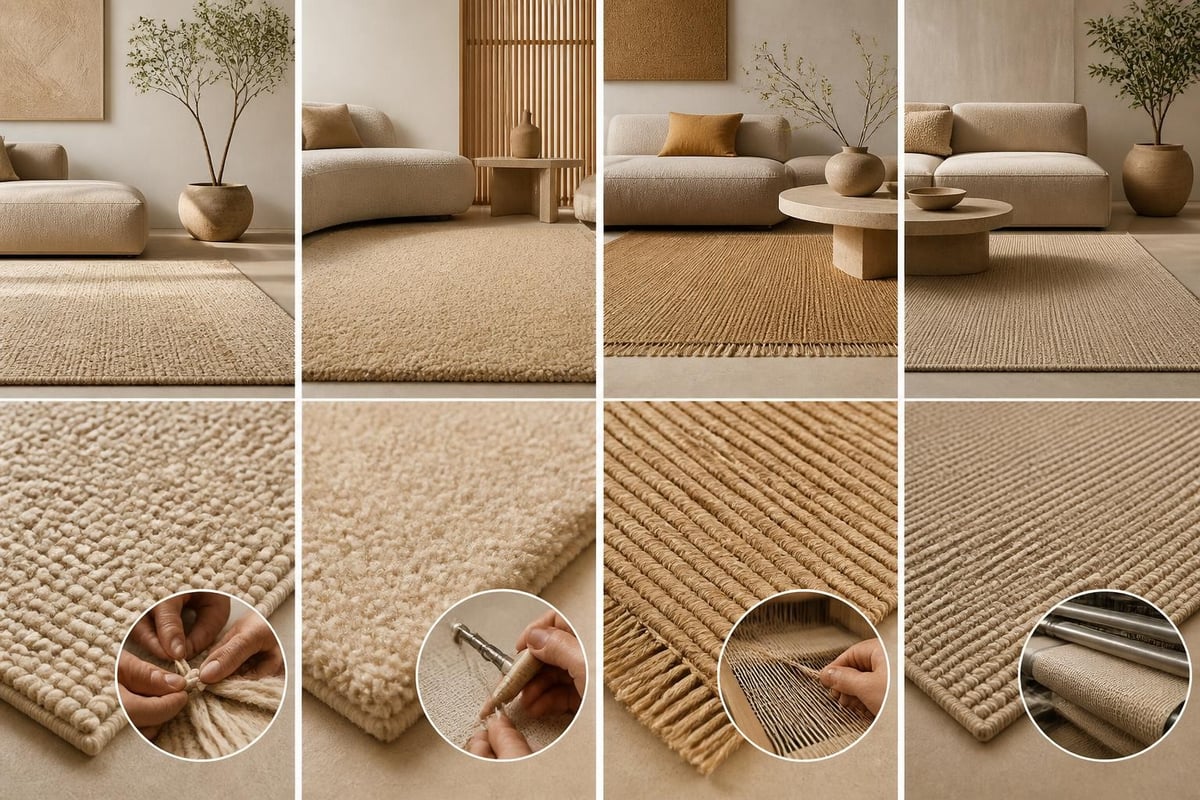
Hand-knotted rugs offer superior durability and repair-ability. Each knot locks fibres individually, so wear remains localised and restorers can re-knot damaged sections without replacing the entire piece. Hand-tufted rugs use a backing fabric and adhesive, faster to produce but less durable; the pile can pull free with heavy use. Machine-woven rugs achieve tight, uniform patterns suited to geometric and modern designs, with consistent pile height and good edge stability.
Loop-pile construction resists snagging and suits homes with pets. Cut-pile offers a softer hand but snags more easily on claws and sharp objects. A cut-and-loop combination creates pattern variation and visual texture while balancing durability with comfort.
Rug Care and Maintenance Practices
Vacuum weekly along the pile direction to remove surface dust and grit. Use a beater bar on low pile and synthetic fibres; turn the beater off for delicate wool, silk or hand-knotted pieces to avoid fibre damage. Rotate rugs every six months to distribute wear and prevent uneven fading in sun-exposed areas.
Spot-clean spills immediately with a clean, damp cloth, blotting rather than rubbing to prevent fibre damage and dye bleeding. Consumer NZ's stain remover guidance tests commercial products for New Zealand conditions, noting which formulas handle tannin, protein and oil-based stains without discolouring wool or synthetics.
Professional cleaning every 18 to 24 months extends rug life and removes embedded dirt that home vacuuming misses. Hot water extraction works for most synthetics and sturdy wool rugs; hand-knotted and silk pieces require specialist dry-cleaning or low-moisture methods to prevent shrinkage and colour run. The Carpet and Rug Institute care guide outlines maintenance schedules and professional cleaning standards aligned with manufacturer warranties.
Preventing Common Damage
- Sun fading: Rotate rugs quarterly in north-facing rooms, use UV-filtering window film or close curtains during peak sun hours.
- Furniture indents: Place felt pads under heavy furniture legs, shift furniture slightly every few months to redistribute weight.
- Edge fraying: Bind or serge cut edges professionally, avoid placing rugs in doorways where foot traffic wears the perimeter.
- Moth damage: Vacuum regularly, store wool rugs with cedar or lavender sachets, inspect annually for larvae or webbing.
Addressing Indoor Air Quality and Allergens
Rugs trap dust, pollen and pet dander, which can exacerbate respiratory conditions if not maintained. Allergy New Zealand recommends low-pile rugs and weekly vacuuming with HEPA filters to reduce house dust mite populations. Washable cotton and synthetic rugs suit bedrooms for allergy-prone households, allowing hot-water laundering that kills mites and removes allergens.
Volatile organic compounds (VOCs) from adhesives, backings and dyes off-gas in new rugs, particularly those with synthetic latex or rubber backings. Air out new rugs outdoors for 48 hours before installing indoors. Green Building Council technical guidance references indoor pollutant limits and eco-labels for carpets and rugs in New Zealand, identifying certified low-VOC products for Green Star and Homestar projects.
Natural-fibre rugs without synthetic backings emit fewer VOCs but may harbour mould in damp climates. Ensure adequate ventilation and avoid placing natural-fibre rugs in bathrooms or laundries where moisture accumulates.
Sustainable Sourcing and End-of-Life Options
Eco Choice Aotearoa's carpet and rug standard certifies products meeting ethical supply-chain criteria, recycled content thresholds and biodegradable material use. Look for certification labels when specifying rugs for residential or commercial projects prioritising sustainability.
Wool rugs biodegrade naturally and can be composted at end of life if free from synthetic backings or chemical treatments. Synthetic rugs rarely enter municipal recycling streams. The Ministry for the Environment notes that carpets and rugs are not accepted at kerbside and must be dropped at transfer stations or specialist recyclers. Some councils accept clean, dry rugs for landfill diversion programs; contact your local waste facility before disposing.
Extending rug life through repair, cleaning and rotation reduces replacement frequency and environmental impact. Repurpose worn rugs as underlays, pet bedding or garage mats rather than discarding. Donate lightly used pieces to community organisations, op shops or online marketplaces.
Layering Rugs for Visual Interest
Layering a smaller accent rug over a larger base rug adds texture and defines sub-zones within open-plan layouts. Place a high-pile or patterned rug over a neutral jute or sisal base to soften the coarse texture while retaining the natural aesthetic. Ensure the top rug is significantly smaller than the base (at least 30 centimetres clearance on all sides) to avoid bunching and trip hazards.
Layering works particularly well in living and dining room furniture arrangements where a large neutral rug grounds the entire room and a smaller statement rug anchors the coffee table or seating cluster. Use rug pads between layers to prevent slipping and protect the base rug from abrasion.
Avoid layering thick rugs, which create uneven surfaces and make furniture unstable. Stick to one flatweave or low-pile base with a medium-pile accent for safe, functional layering.
Choosing Rugs for Specific Room Functions
Entrance halls need durable, low-pile rugs that trap dirt and moisture before it reaches the main living areas. Polypropylene or tightly woven wool resists mud and wet shoes. Choose darker colours or multi-tonal patterns that disguise daily wear. Size the rug to cover the immediate entry zone, typically 1.2 by 1.8 metres for standard doorways.
When choosing pieces for high-traffic zones, durability and ease of cleaning take priority over softness. For example, a well-constructed timber and leather piece like a bar stool pairs well with low-maintenance flooring, and the same principle applies to selecting rugs for kitchens or dining zones where spills and foot traffic are constant.
Living rooms benefit from medium-pile wool or wool-blend rugs that absorb sound, define seating zones and provide comfort underfoot. Anchor the rug with sofa front legs or place all furniture within the rug perimeter for a cohesive look. Neutral tones suit frequently refreshed decor; bold patterns ground minimalist furniture arrangements.
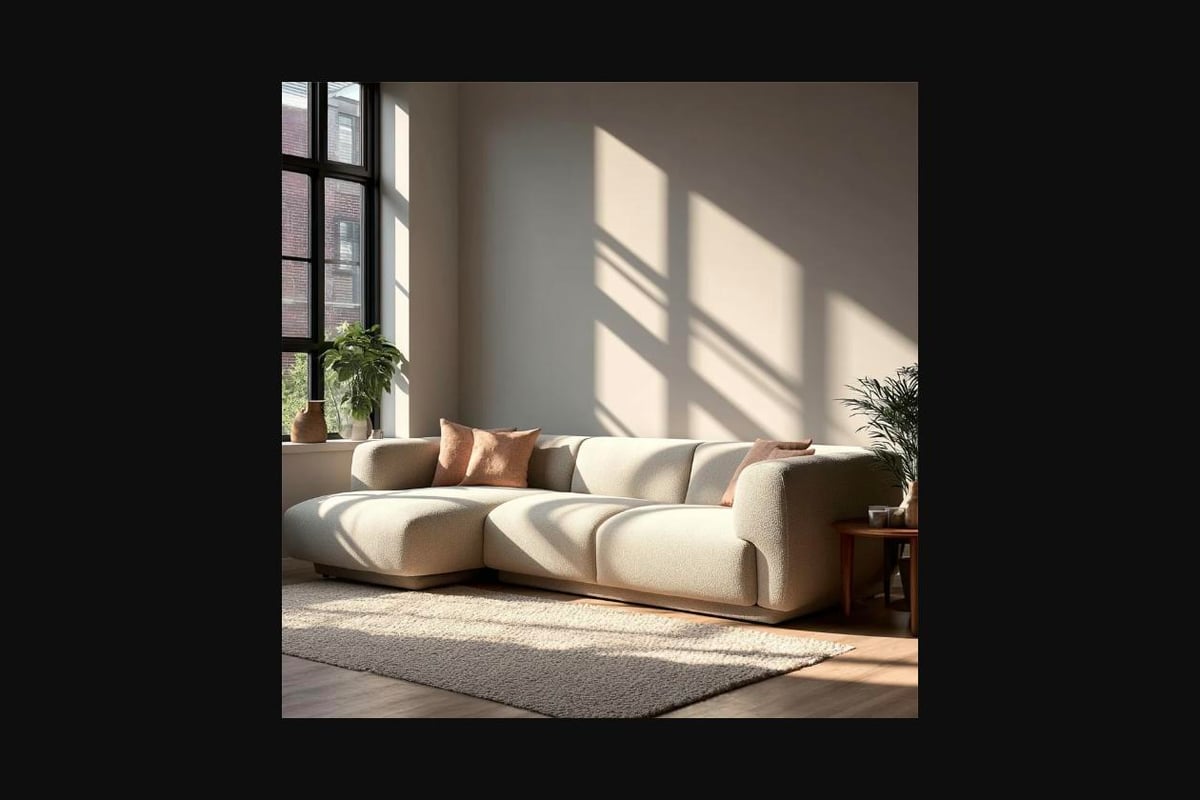
Bedrooms suit softer, higher-pile rugs in natural fibres. Wool, cotton or bamboo-silk blends offer barefoot comfort and warmth during New Zealand winters. Place rugs under the bed's lower two-thirds or as runners on either side for a layered, hotel-style aesthetic.
Dining rooms require rugs large enough to accommodate pulled-out chairs without catching edges. Low-pile or flatweave rugs prevent chair legs from snagging and allow smooth movement. Stain-resistant treatments or synthetic fibres suit families with young children; untreated wool develops a patina that some homeowners prefer for its character.
Balancing Budget and Quality
Entry-level machine-woven synthetic rugs start around $200 for a 2 by 3-metre piece, suited to rental properties or temporary layouts. Mid-range wool-blend and hand-tufted rugs range from $800 to $2,000, offering better durability and natural fibre benefits for long-term use. High-end hand-knotted wool or silk rugs exceed $3,000 and represent investment pieces that last decades with proper care.
Buying from New Zealand makers or retailers ensures compliance with local consumer protection standards and simplifies warranty claims or repairs. Imported rugs may lack care labels in English or use dyes and treatments not tested for New Zealand UV or humidity conditions.
| Price Range | Construction Type | Expected Lifespan | Best Use Case |
|---|---|---|---|
| $200–$600 | Machine-woven synthetic | 5–8 years | Rentals, high-traffic temporary zones |
| $600–$1,500 | Hand-tufted wool-blend | 10–15 years | Living rooms, bedrooms, moderate traffic |
| $1,500–$3,000 | Hand-knotted wool | 20–30 years | Formal living, investment pieces |
| $3,000+ | Hand-knotted silk or fine wool | 30+ years | Heirloom, low-traffic display |
Consider cost per year of use rather than upfront price. A $1,200 hand-tufted wool rug lasting 15 years costs $80 annually, while a $300 synthetic rug replaced every five years costs $60 annually but lacks the comfort, acoustic benefits and resale value of wool.
Rug Pads and Underlay Requirements
Rug pads prevent slipping, protect flooring and extend rug life by cushioning the base from abrasion. Felt pads suit hard floors (timber, tile, polished concrete) and add minimal height. Rubber-backed pads grip better on smooth surfaces but can leave residue on some finishes; test in an inconspicuous area first.
Thickness matters. A 6-millimetre pad suits low-pile rugs and maintains a sleek profile. An 8- to 10-millimetre pad adds cushioning under medium-pile rugs and absorbs impact in high-traffic zones. Avoid pads thicker than the rug pile, which create an uneven surface and look bulky.
Cut pads 5 centimetres smaller than the rug on all sides so they remain invisible beneath the rug perimeter. Replace pads every five to seven years as compression and wear reduce their effectiveness.
Regional Considerations for New Zealand Buyers
Humidity varies significantly across New Zealand regions, affecting rug performance. Auckland and coastal areas experience higher moisture levels, making mould-resistant synthetics and well-ventilated natural fibres preferable. Inland areas with lower humidity suit jute and sisal without the same mildew risk.
Sun exposure differs by home orientation and latitude. Northern-facing windows in Christchurch or Dunedin deliver less UV intensity than Auckland but still fade rugs over time. Rotate rugs quarterly regardless of region, and use window treatments during peak sun hours.
Consumer NZ's carpet buying guide covers installation standards, warranties and underlay recommendations applicable to area rugs, particularly for fitted carpet alternatives and wall-to-wall installations. The advice on pile density, fibre twist and backing materials translates directly to quality markers in freestanding rugs.
Shipping costs and lead times affect rug purchases. Locally stocked rugs arrive within days; imported custom pieces may take 12 to 16 weeks and incur shipping fees exceeding $200 for large sizes. Confirm stock location and delivery timeframes before committing, especially for new-build or renovation deadlines.
Coordinating Rugs with Furniture and Finishes
Rug colour and pattern should complement existing furniture without competing for attention. Neutral rugs (grey, beige, charcoal) anchor bold furniture and allow flexibility to change decor over time. Patterned rugs work best with solid-colour sofas and chairs, providing visual interest without overwhelming the space.
Consider the rug's relationship to flooring. A rug that matches timber floors too closely disappears visually; choose a contrasting tone (darker or lighter by at least two shades) to define the rug as a deliberate layer. On polished concrete or tile, rugs add essential warmth and sound absorption, making texture and pile height as important as colour.
Test samples in the intended room before purchasing. Rug colours shift under different lighting (natural daylight, warm LED, cool fluorescent), and what looks balanced in a showroom may read too dark or too bright at home. Most retailers offer sample squares or short-term returns; use them to assess colour, texture and scale in situ.
Disclaimer: AI-supported images may differ from products on website.
Choosing a quality rug means weighing material, construction, room function and long-term care against budget and aesthetic preferences. The right rug anchors furniture, absorbs sound and adds comfort underfoot without compromising practicality or requiring constant maintenance. At Bauhaus, we source contemporary furniture and homewares designed for real New Zealand living, with experienced teams in both Auckland showrooms ready to help you find pieces that work with your space. Visit us to see the materials, construction and finishes firsthand.