A well-chosen throw does more than sit on the back of a sofa. It adds texture, warmth and a layer of considered detail to a room, working quietly in the background until you need it on a cold evening. In New Zealand homes, throws nz bridge the gap between decorative softness and practical comfort, serving as both accent pieces and functional textiles that earn their place in living rooms, bedrooms and reading corners. Understanding materials, construction and care keeps them looking purposeful rather than rumpled, and choosing the right weight and weave for the room makes the difference between a throw that works and one that never leaves the cupboard.
Material Choices for New Zealand Conditions
Wool remains the benchmark for throws nz, particularly in temperate climates where natural temperature regulation matters. New Zealand wool carries particular relevance here, with local mills producing throws from fibres processed and woven domestically. The New Zealand wool industry continues to champion provenance and traceability, giving buyers confidence in the origin and processing standards behind locally made throws.
Merino wool offers fine, soft fibres that sit comfortably against skin without the scratch associated with coarser wool grades. Lambswool, from the first shearing of young sheep, delivers similar softness with a slightly denser handle. Both work well in living rooms where throws drape over furniture and come into frequent contact with people.
Synthetic and blended options broaden the field for different budgets and care preferences:
- Polyester throws resist creasing and wash easily, suited to high-traffic family rooms and outdoor furniture
- Acrylic blends mimic wool's warmth at lower cost, with colour-fastness that holds through repeated washing
- Cotton-wool blends balance breathability with warmth, offering year-round versatility in moderate climates
Cashmere and alpaca sit at the premium end, delivering exceptional softness and warmth-to-weight ratios. These fibres justify higher price points through longevity and comfort, but require more careful handling and storage.
Weave Structures and Their Impact
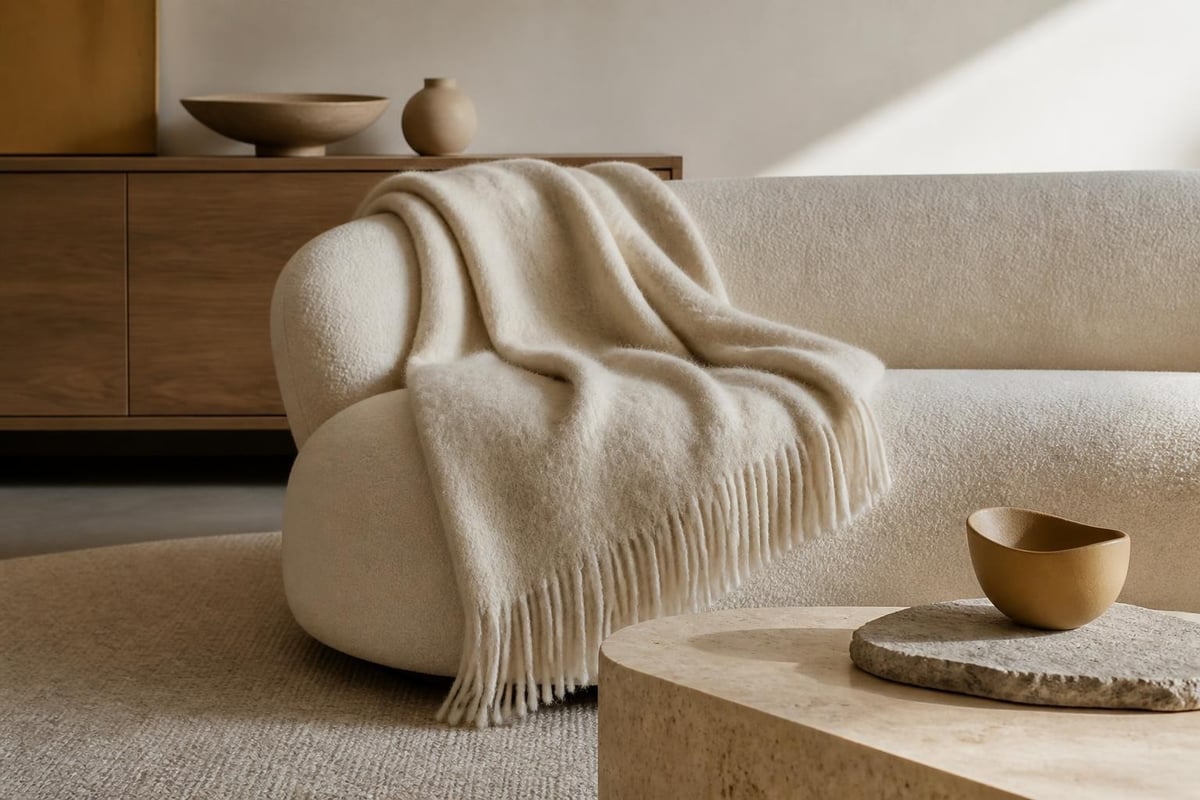
The weave determines how a throw behaves when draped, folded or wrapped. Flat weaves produce smooth, structured throws that hold their shape on furniture, while textured weaves like waffle, honeycomb or cable-knit add visual depth and trap air for extra warmth.
Herringbone and twill weaves create diagonal patterns that disguise minor wear and add subtle interest without pattern overload. Jacquard weaves allow complex designs woven directly into the fabric, producing reversible throws with pattern on both sides.
| Weave Type | Drape | Warmth | Visual Weight | Best Use |
|---|---|---|---|---|
| Flat/Plain | Structured | Moderate | Light | Minimalist spaces, layering |
| Waffle | Soft | High | Medium | Bedrooms, reading chairs |
| Cable-knit | Heavy | Very high | Heavy | Statement pieces, winter |
| Herringbone | Medium | Moderate | Medium | Everyday living, high use |
Fringe and hem treatments affect how formal or relaxed a throw reads. Clean, turned hems suit contemporary interiors, while knotted fringe adds textural interest and a slightly more casual feel. Whipstitch or blanket-stitch edges in contrasting thread create defined borders that frame patterned throws.
Selecting Size and Weight for Function
Throws nz come in dimensions ranging from compact lap blankets to oversized pieces that cover a three-seat sofa. Standard throw sizes typically measure 127cm × 152cm, large enough to drape over furniture or wrap around shoulders without trailing on the floor.
For sofa styling, consider the seat depth and backrest height when choosing throw dimensions. A deeper sofa like the Easytime-Plus format, running 110cm deep, benefits from a larger throw that drapes fully without looking stretched or mean. Shallower sofas or armchairs work well with more compact throws that don't overwhelm the proportions.
Weight categories guide practical selection:
- Lightweight (200-300gsm): Summer use, decorative layering, travel
- Medium weight (300-450gsm): Year-round versatility, most living rooms
- Heavyweight (450gsm+): Winter warmth, outdoor seating, dedicated cold-weather use
Gauge the room's heating and your actual use patterns. Well-insulated modern homes with underfloor heating rarely need the heaviest throws, while older villas with draughts and single-glazing benefit from substantial wool weight.
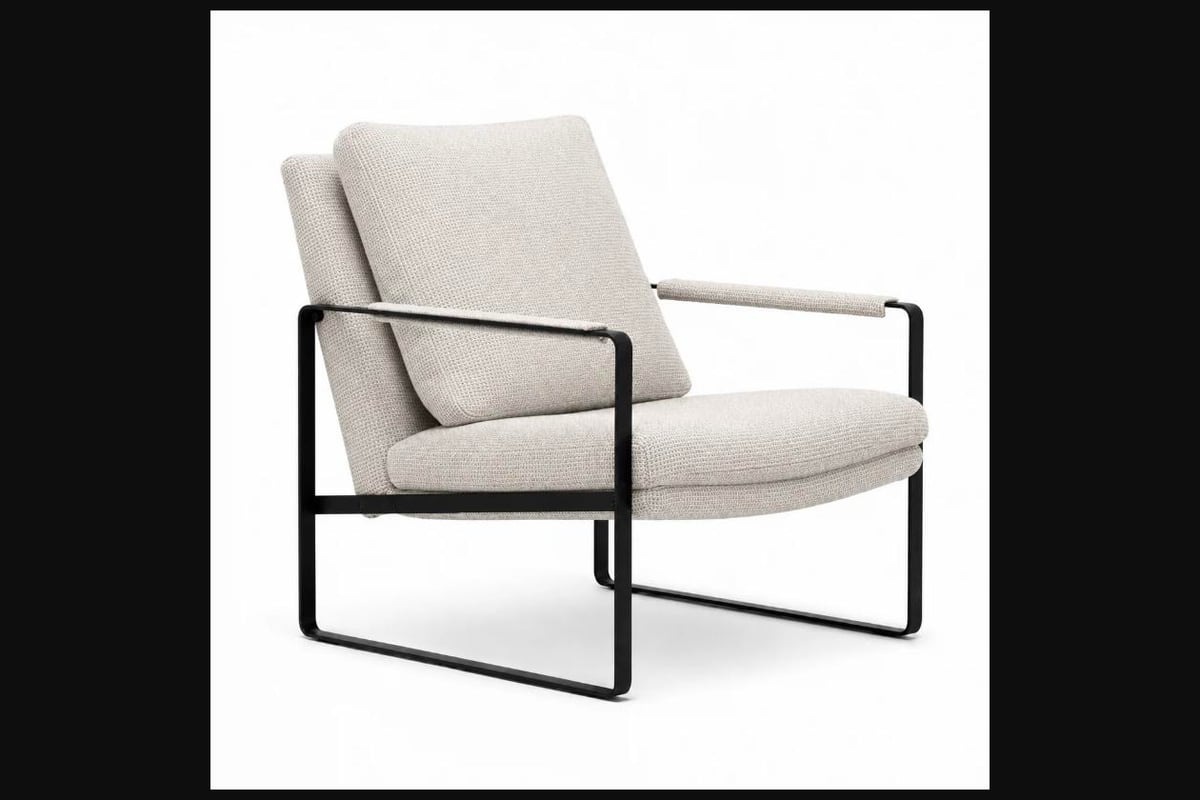
The Leman Armchair, with its genuine lean-back geometry and 70cm width, pairs naturally with a medium-weight throw in a complementary texture. The black metallic frame and webbed steel seat structure provide a clean backdrop for wool or cotton throws that add warmth without competing visually.
Care and Maintenance for Longevity
Proper care extends throw life significantly and maintains appearance between seasonal rotations. Wool throws benefit from airing rather than frequent washing, as the fibre naturally resists odour and releases moisture. Shake out and drape over a chair or balcony rail monthly to refresh without laundering.
When washing becomes necessary, follow care labelling requirements and fabric-specific guidance. Most wool throws tolerate gentle machine cycles in cold water with wool-safe detergent, though hand washing remains gentlest. Avoid hot water, which causes shrinkage, and never tumble-dry wool unless explicitly labelled as suitable.
Practical washing guidance suggests flat drying on a rack or towel for wool and natural fibres, maintaining shape and preventing stretching. Synthetic and blended throws generally tolerate machine drying on low heat, though line drying preserves fibres longer.
Storage Between Seasons
Natural fibre throws need protection from moths during warm months when stored away. Clean thoroughly before storage, as moths target soiled fibres. Store in breathable cotton bags or wrapped in clean cotton sheets, avoiding plastic which traps moisture and promotes mildew.
Cedar blocks or lavender sachets deter moths without chemical treatments, though severe infestations require proper moth-proofing products. Check stored throws every few months, shaking out and refolding to prevent permanent creases.
Synthetic throws store more forgivingly but still benefit from clean, dry conditions away from direct sunlight which can fade colours over time.
Styling Throws in Contemporary Interiors
Throws work hardest when placed with intent rather than tossed casually. In living rooms, drape a folded throw over one sofa arm, allowing it to cascade naturally rather than arranging it symmetrically. This approach suggests actual use rather than staging.
For multi-seat sofas, fold the throw in thirds lengthwise and drape across the back, offset from centre. This creates asymmetry and avoids the overly formal look of a perfectly centred throw. Layer textures by choosing throws that contrast with upholstery – smooth leather sofas pair well with chunky knit or textured weaves, while linen or wool upholstery suits sleek, flat-weave throws.
Colour and pattern integration:
- Neutral throws in cream, grey or charcoal work across most colour schemes, adding texture without pattern clash
- Accent throws in terracotta, forest green or deep blue introduce colour without reupholstering
- Subtle pattern (small checks, thin stripes, tonal weaves) adds interest while maintaining restraint
- Bold geometric or large-scale patterns work best as solo accent pieces, not layered with patterned cushions
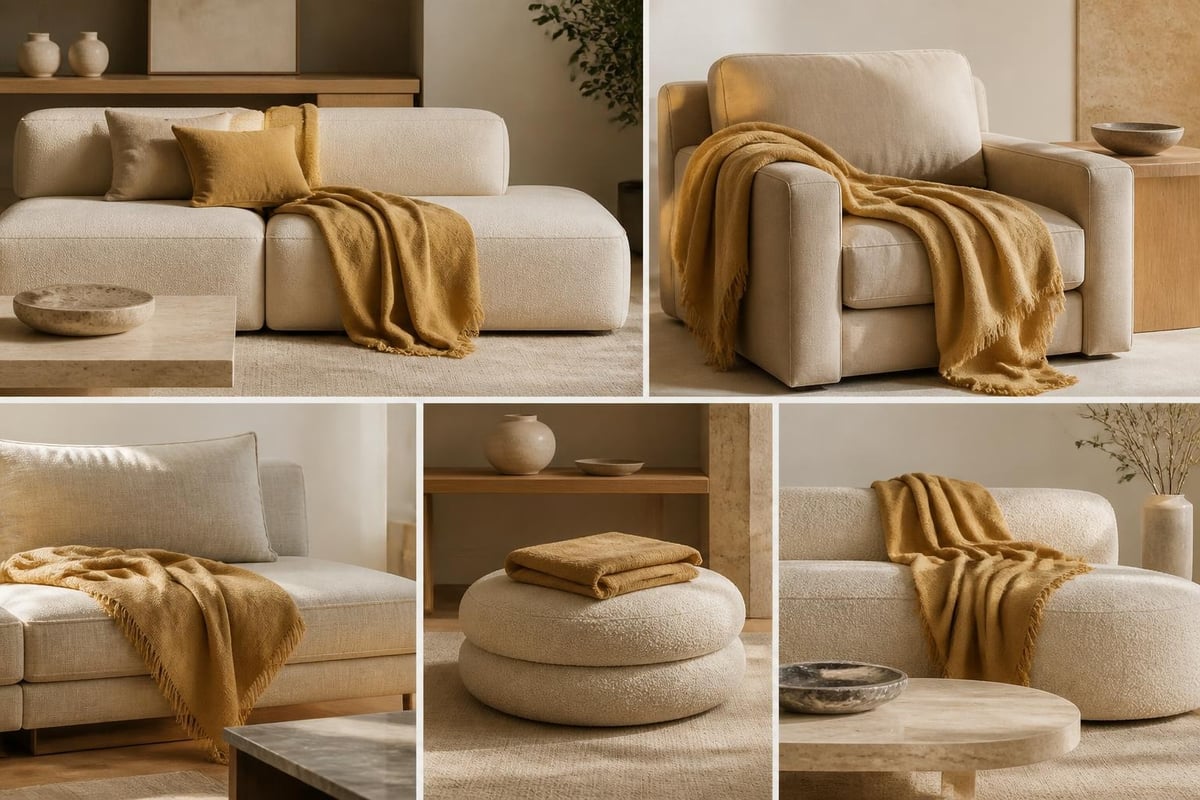
In bedrooms, fold a throw at the foot of the bed, either straight across or angled from corner to corner. This adds a layer for cooler nights and introduces a contrasting texture to bedding. Throws draped over reading chairs or window seats create dedicated comfort zones that invite use.
For rooms with integrated home entertainment, such as those featuring custom installations from ANR media specialists, choose throws that don't visually compete with screens or speakers. Textured neutrals maintain warmth without drawing attention from the viewing experience.
Provenance and Labelling in New Zealand
Understanding where and how throws are made informs quality assessment and value for money. New Zealand-made throws from established mills typically declare country of origin and fibre content clearly, meeting fibre content labelling regulations that protect consumers from misleading claims.
The term "wool" carries specific legal meaning under New Zealand standards. Pure wool throws must contain 100% wool fibre, while "wool-rich" or "wool blend" indicates mixtures. Consumer watchdog coverage highlights ongoing issues with misleading labelling where synthetic throws carry wool-adjacent branding without actual wool content.
Look for detail in product descriptions: fibre type, country of weaving, weight per square metre, and finishing processes. Reputable retailers and mills provide this information readily. Vague terms like "wool-feel" or "wool-style" without fibre percentages typically signal synthetic construction.
Local Mills and International Imports
New Zealand maintains several weaving mills producing throws from locally sourced wool, with facilities in both North and South Islands. These operations often work with designers and retailers to produce exclusive colourways and weights not available through mass-market imports.
Imported throws, primarily from Australia, India, China and Europe, offer wider price ranges and style options. Australian mills, particularly those working with Merino and Alpaca, deliver quality comparable to New Zealand production with similar standards and practices. Guidance from bedding specialists on mill provenance helps buyers understand what they're purchasing and how to care for it appropriately.
European throws, especially from Italian and Portuguese mills, bring different aesthetic sensibilities and finishing techniques, often with finer yarns and more complex weaves. These justify premium pricing through craftsmanship and design heritage.
Heated Throws for Targeted Warmth
Electric throws offer an alternative to whole-room heating, particularly valuable in New Zealand's temperate climate where central heating may run only part of the year. Modern heated throws use low-voltage systems with multiple heat settings and automatic shut-off features.
Manufacturer guidance on electric blankets and heated throws emphasises safety protocols: never fold while powered, inspect cords regularly for damage, and avoid using with pets whose claws might pierce heating elements.
| Feature | Standard Throw | Heated Throw |
|---|---|---|
| Initial cost | Lower | Higher |
| Running cost | None | Minimal electricity |
| Maintenance | Washing only | Inspection, careful storage |
| Portability | Full | Limited (needs outlet) |
| Warmth control | Fabric weight | Adjustable settings |
Heated throws suit specific use cases: targeted warmth while working from home, supplemental heat in poorly insulated rooms, or medical conditions requiring consistent warmth. They don't replace quality textile throws for style or versatile use.
For everyday living and decorative purposes, traditional throws nz maintain advantages in portability, aesthetic range and zero running costs.
Budget Considerations and Quality Markers
Throw prices span from under $50 for synthetic options to several hundred dollars for premium natural fibres and local production. This range reflects genuine differences in materials, construction and longevity rather than branding alone.
Quality indicators to assess:
- Dense, even weave with no gaps or loose threads
- Secure, finished edges that won't fray with use
- Consistent colour throughout, no streaking or fade
- Good weight in hand, substantial without being stiff
- Clear fibre content and origin information
- Pilling resistance in wool and wool-blend options
Entry-level throws under $100 typically use synthetic fibres or basic cotton, suited for high-traffic family use where frequent washing matters more than luxury. Mid-range options from $100-250 deliver wool blends, better construction and more refined colours.
Premium throws above $250 bring pure Merino, cashmere, alpaca or designer collaborations with distinctive patterns or limited runs. These pieces function as both textile and design object, warranting the investment through years of service and maintained appearance.
Balance cost against actual use. A beautiful cashmere throw that never leaves the cupboard delivers less value than a hard-working wool blend used nightly. Buy quality where it meets genuine need and use patterns.
Seasonal Rotation and Multiple Throws
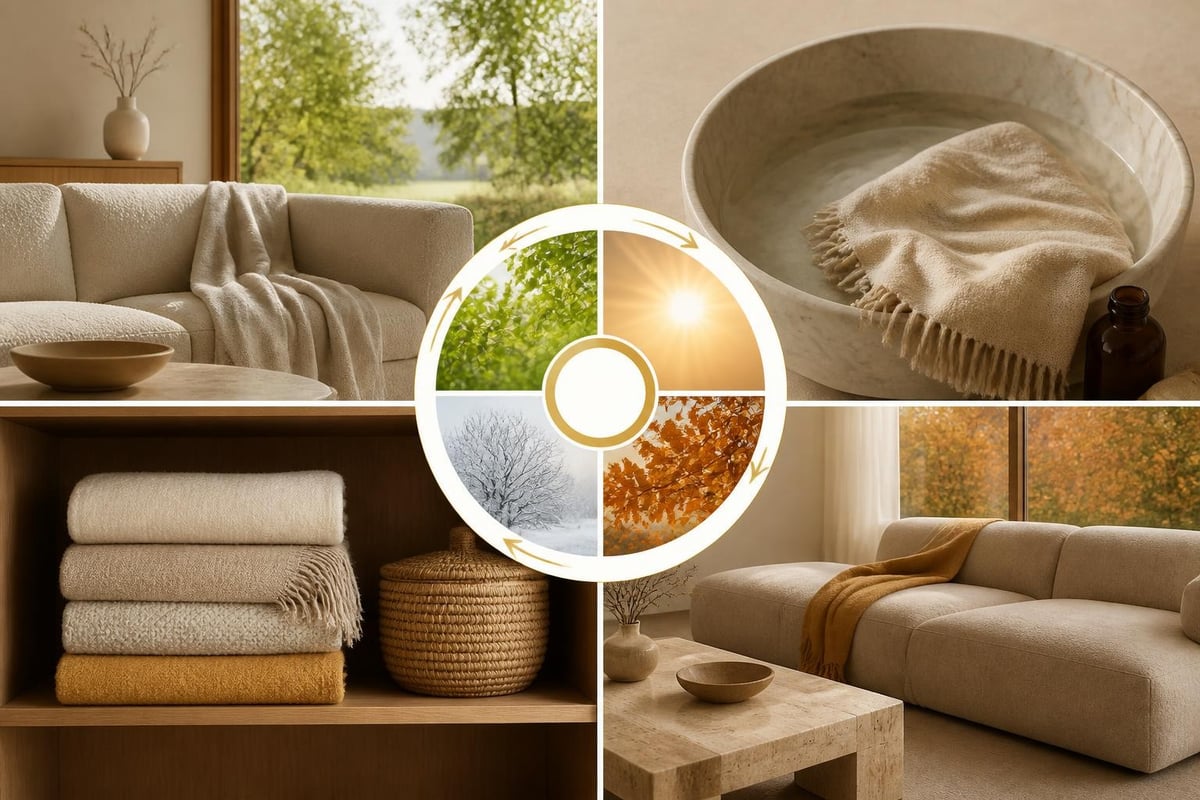
Many New Zealand households benefit from seasonal throw rotation, storing heavier pieces during warm months and bringing out lighter options for transitional seasons. This approach extends individual throw life while keeping rooms seasonally appropriate.
A practical rotation might include:
- Summer: Lightweight cotton or linen throws, decorative rather than warming
- Autumn/Spring: Medium-weight wool or wool-blend for variable evenings
- Winter: Heavyweight wool, chunky knit or layered throws for genuine warmth
Store off-season throws properly and rotate use among multiple pieces to prevent wear concentration. This pattern also allows colour and texture changes that refresh rooms without redecorating.
For homes with mixed heating zones, keep lighter throws in well-heated spaces and reserve heavier options for cooler rooms, outdoor furniture or poorly insulated areas.
Disclaimer: AI-supported images may differ from products on website.
Integration with Furniture and Textiles
Throws nz work within broader textile layers that include upholstery, cushions, rugs and window treatments. Successful integration means considering texture, scale and colour across all soft elements rather than treating throws as standalone items.
In rooms with leather furniture, throws introduce essential softness and warmth, bridging the gap between hard surfaces and comfort. Wool throws on leather sofas create pleasant tactile contrast while addressing leather's temperature extremes in both summer and winter.
For fabric upholstery, choose throws that add textural variety without creating visual clutter. A smooth, tightly woven throw complements loose-weave linen sofas, while textured throws work well with plain velvet or tight-weave wool upholstery.
Cushion and throw coordination requires restraint. Match colour families rather than exact shades, and vary pattern scale. If cushions carry bold geometric patterns, keep throws textured but solid. Conversely, patterned throws pair well with solid or subtly textured cushions.
Contemporary furniture pieces with clean lines and minimal ornamentation benefit from throws that add warmth without competing visually. The architectural quality of modern sofas, particularly those on exposed legs or with recessed plinths, shows best when throws drape naturally rather than covering the entire piece.
Where to Find Quality Throws in New Zealand
Furniture retailers with curated homewares sections often stock throws selected to coordinate with their furniture ranges. This approach ensures colour and style consistency, particularly valuable when furnishing entire rooms or updating existing pieces.
Specialist textile retailers and bedding stores carry wider throw selections across price points, with staff who understand fibre properties and care requirements. These venues allow hands-on assessment of weight, texture and construction before purchase.
Online shopping expands options but makes assessing quality harder without physical samples. Look for detailed product photography showing weave structure, thickness and drape. Zoom in on edge finishing and check for customer reviews mentioning pilling, shrinkage or colour accuracy after washing.
Craft markets and artisan fairs occasionally feature hand-woven or small-batch throws from local makers, offering unique pieces with direct maker connections. These typically command premium prices but deliver genuine one-off status and support local craft economies.
Department stores stock throws seasonally, with expanded ranges before winter and reduced selections through summer. Quality varies widely, making careful inspection essential at this retail tier.
Quality throws add warmth, texture and considered detail to New Zealand homes when chosen for actual use rather than trend. Understanding materials, construction and care practices ensures throws serve well for years while maintaining their appearance and function. At Bauhaus, our curated furniture collections work naturally with layered textiles that bring comfort and personality to contemporary interiors. Visit our Auckland showrooms to experience how thoughtful furniture and textile choices create spaces that feel distinctly yours.