A coffee table for home sits at the centre of daily life. It anchors conversation, holds books and drinks, defines the scale of a living room. The piece needs to earn its place through material quality, sensible proportions and construction that lasts. Whether you're furnishing a new build or replacing a worn surface, the decision demands practical judgement as much as visual appeal. This guide covers measurement, materials, placement and care with a focus on what makes a table work in New Zealand homes.
Why Material Choice Matters
The material determines longevity and maintenance. Solid timber offers warmth and ages well when finished properly. Oak, walnut and ash deliver grain character and resist daily wear. Engineered timbers with veneer keep weight down but require careful edge protection.
Metal frames in steel or powder-coated aluminium suit high-traffic households. Welded joints hold firm. Look for reinforced corner bracing if the frame supports a heavy top.
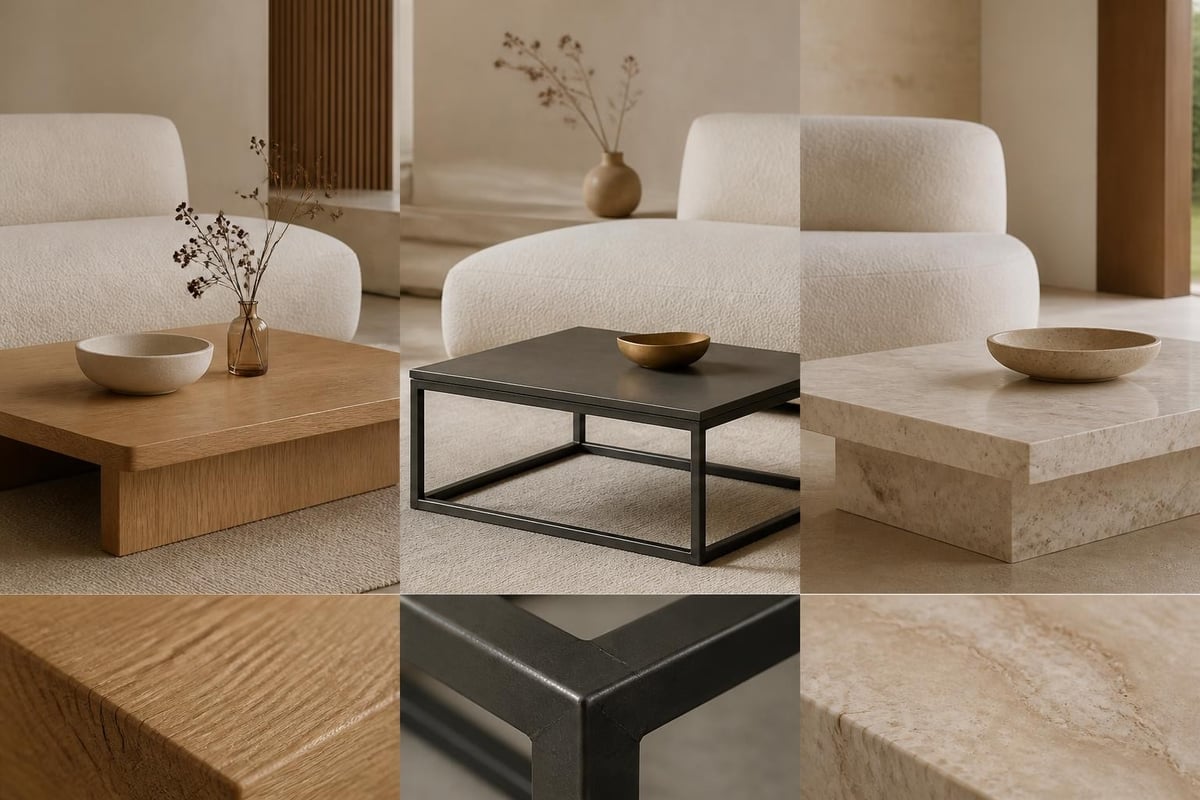
Stone tops in marble, granite or engineered quartz add mass and a cool surface. Natural stone needs sealing against stains. Engineered composites resist heat and moisture better but lack the variation of quarried slabs. Glass tops suit smaller spaces visually but show fingerprints and need regular cleaning. Tempered safety glass is non-negotiable for homes with children.
Timber Construction Details
Solid-timber coffee tables rely on joinery. Mortise-and-tenon joints outlast dowels. Check how the top attaches to the base. Metal brackets allow for seasonal timber movement. Glued tops can split in dry indoor air.
Hardwood species vary in density. Walnut dents more easily than oak. Ash accepts stain evenly. Most contemporary pieces use water-based polyurethane or oil finishes. Oil requires annual reapplication but simplifies scratch repair. Museum-grade wood care offers preventive advice that extends table life decades beyond standard consumer maintenance.
Sizing for Your Living Room
Start with sofa height. A coffee table for home should sit level with or slightly below seat-cushion height. Most sofas measure 40–45 cm from floor to seat. Table height between 38–43 cm keeps drinks reachable without a stretch.
Length needs proportion. The table should span roughly two-thirds of the sofa's width. For a 210 cm three-seater, a 120–140 cm table balances the composition. Shorter tables look lost. Longer pieces crowd walkways.
| Sofa Width | Recommended Table Length | Recommended Table Height |
|---|---|---|
| 180 cm | 100–120 cm | 38–43 cm |
| 210 cm | 120–140 cm | 38–43 cm |
| 240 cm | 140–160 cm | 38–43 cm |
Depth matters in narrow rooms. A standard 60 cm depth allows legroom if the sofa sits close. Shallower 45 cm tables suit tight layouts. Deeper 80 cm tables work in open-plan spaces where the table floats away from walls.
Clearance and Traffic Flow
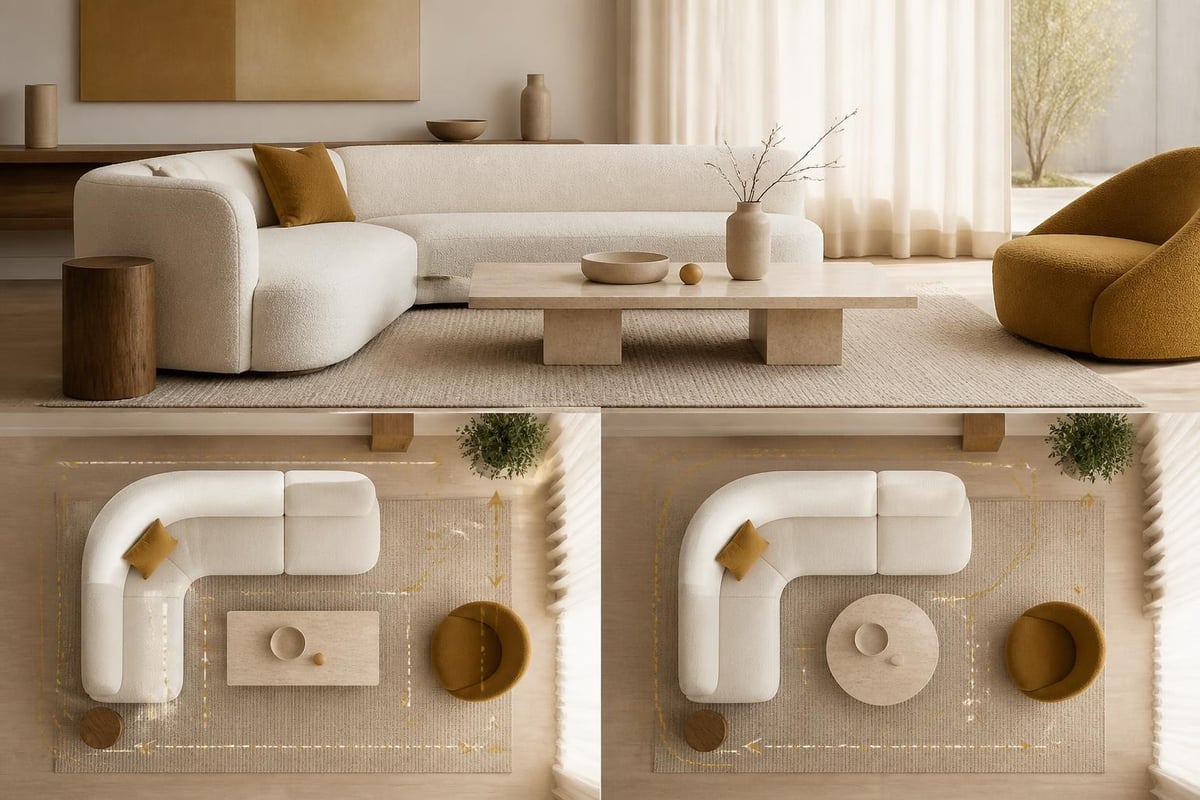
Leave 40–50 cm between table edge and sofa. Less than that restricts movement. More than 60 cm puts drinks out of comfortable reach. Professional interior designers treat furniture layout as circulation planning, measuring paths before selecting pieces.
Allow 70–90 cm for walkways around the table. This clearance lets two people pass comfortably. In single-direction circulation (behind a sofa facing a wall), 60 cm suffices.
Shape and Footprint
Rectangular tables suit most living rooms. They align with sofa lines and fill space efficiently. Round tables soften angular rooms and improve flow in small layouts. Oval tables split the difference but limit surface area at the ends.
Square tables work in symmetrical seating arrangements, two identical sofas facing each other or an L-shape configuration. A 90–100 cm square suits compact spaces better than a narrow rectangle.
Consider leg placement. Centre pedestals maximise legroom but concentrate weight. Four-leg designs distribute load evenly. Angled legs in mid-century styles can trip small children. Straight vertical legs simplify vacuuming underneath.
- Rectangular: Best for three-seater sofas, efficient use of length, clear edges for serving
- Round: Improves traffic flow, no sharp corners, works in symmetrical seating plans
- Oval: Combines rectangular capacity with softer edges, harder to source in quality timber
- Square: Suits L-shape sofas, compact footprint, equal access from all sides
Nested and Modular Options
Nested coffee tables offer flexibility. Two or three tables stack for storage, separate for entertaining. Check that the smaller tables pull out smoothly. Poorly designed nests jam or scrape finishes.
Modular systems with multiple small tables reconfigure for different uses. Individual pieces move to sofa arms as side tables. The approach suits households that rearrange frequently but costs more per square centimetre of surface.
Surface Treatments and Durability
Finish protects timber and defines maintenance. Hard wax oils penetrate grain, resist water rings and allow spot repair. Reapply annually in high-use areas. Lacquer finishes create a film barrier. They resist stains well but chips expose raw timber.
For homes with young children, tempered glass or sealed stone outperform timber for spill resistance. Safety considerations extend to edge padding on sharp corners and stability testing for tip-over risk.
Metal finishes in powder coat chip less than paint. Stainless steel scratches visibly. Brushed or bead-blasted surfaces hide minor marks better than polished. Raw steel develops patina; apply wax to slow oxidation.
Stain Resistance by Material
| Material | Water Resistance | Scratch Resistance | Heat Tolerance | Maintenance Frequency |
|---|---|---|---|---|
| Oiled hardwood | Moderate | Moderate | Low | Annual oiling |
| Lacquered timber | High | Low | Moderate | Wipe clean |
| Marble (sealed) | High | Low | Moderate | Six-month sealing |
| Tempered glass | High | Moderate | High | Weekly cleaning |
| Powder-coat metal | High | High | High | Wipe clean |
Matching to Seating Style
The coffee table for home should complement existing furniture without matching exactly. Contrasting materials add interest. A timber table grounds a leather sofa. Metal and glass lighten heavy upholstered pieces.
Height alignment matters more than style. A low-slung mid-century sofa demands a correspondingly low table. Standard-height contemporary sofas pair with tables in the 40–43 cm range. At Bauhaus, we measure sofa heights precisely because millimetres affect comfort over years of use.
The Bowie L-Shape Sofa works with tables in the 38–40 cm height bracket, its deep seat and relaxed cushioning calling for a lower profile that keeps the surface accessible. Pair it with a timber or stone-top table on a metal base to echo the sofa's structured frame and soft upholstery contrast.
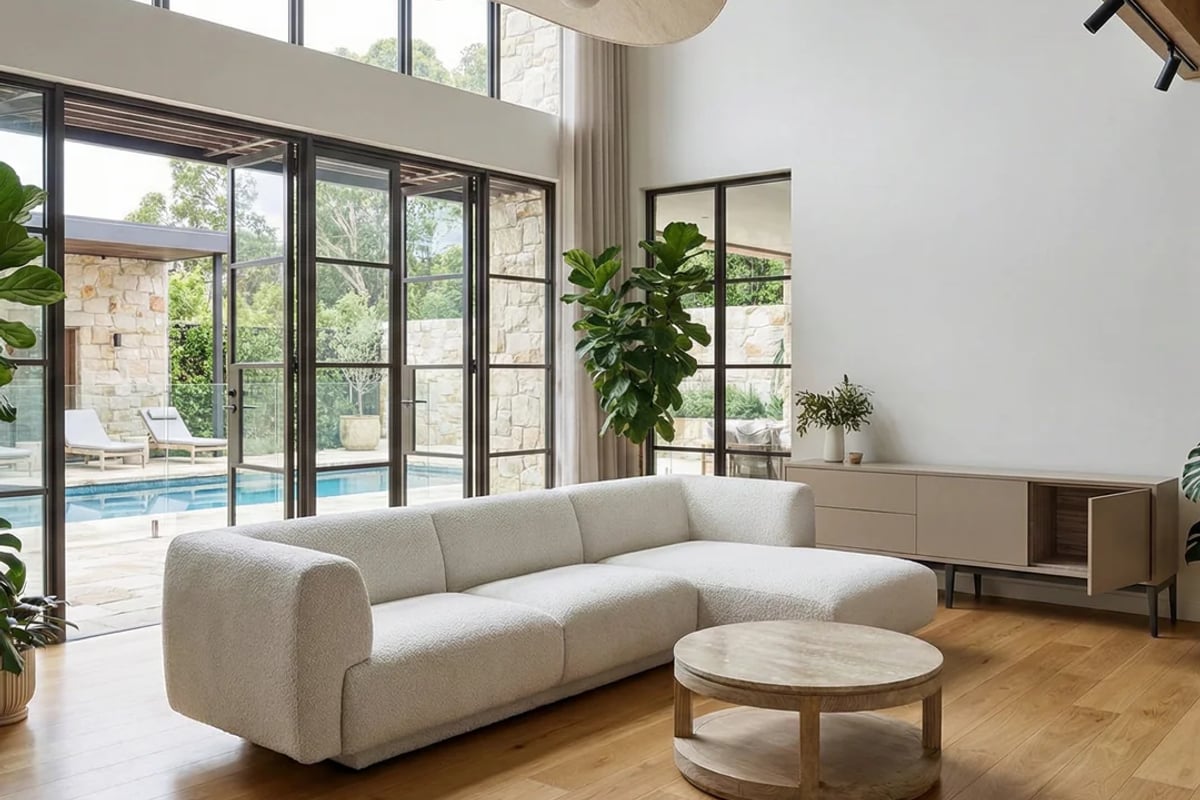
Colour temperature plays a role. Warm-toned timbers (walnut, teak) suit earthy palettes. Cool greys in stone or concrete pair with neutral upholstery. Black metal frames anchor bright or patterned fabrics.
Storage and Functionality
Shelves add utility. Lower tiers hold magazines, remote controls, books you're actually reading. A gap of 25–30 cm between shelves accommodates standard hardbacks. Less than that suits paperbacks only.
Drawers in coffee tables suit households that prefer clear surfaces. Side-access drawers work better than end-access in front of sofas. Soft-close mechanisms justify the cost. Check drawer depth; many decorative drawers hold little more than coasters.
Lift-top mechanisms raise the surface for laptop work or dining. Gas struts should hold position at any height. Test the mechanism under load before purchase. Cheap hinges fail within months.
Practical Features Worth Considering
- Recessed casters for easy repositioning during cleaning
- Cable management for charging devices or table lamps
- Removable trays that protect finishes and simplify serving
- Integrated lighting in glass or stone-top tables
Styling and Daily Use
Keep surfaces functional. A stack of three books, a small tray for remotes, one sculptural object. More than that competes for attention and reduces usable space. Seasonal rotation prevents visual fatigue.
Trays corral small items and protect finishes. Timber trays add warmth to glass or stone tables. Metal trays suit industrial interiors. Size the tray to one-third of the table length, maximum.
Avoid permanent centrepieces that block sightlines across seating. Low bowls or flat objects work better than tall vases. In conversation areas, clear the centre entirely.
Design publications like Architectural Digest and House Beautiful provide styling inspiration, but practical use matters more than curated aesthetics. A table that looks perfect but can't hold a tray of drinks fails its purpose.
Placement in Open-Plan Spaces
In open-plan homes, the coffee table for home helps define zones. Position it to create a boundary between living and dining areas. Back the sofa against circulation space, place the table in front, and the arrangement reads as a distinct room.
Float the table away from walls in large spaces. A 30–40 cm gap behind the sofa separates the seating group from other functions. The table anchors the furniture island.
Align the table with architectural features. Centre it on a fireplace, window or media wall. Asymmetric placement works in informal spaces but requires careful balancing of visual weight.
Multi-Functional Spaces
Households using living rooms for work need adaptable tables. Lift-top designs or height-adjustable models switch between coffee table and laptop desk. Look for solid stops that prevent wobble at raised height.
In homes with young children, round tables eliminate sharp corners. Heavier tables resist tipping. Avoid glass until children understand fragility. Sealed timber or stone tolerates spills and craft activities better than upholstered furniture.
Sustainable Material Choices
Responsible sourcing matters. FSC-certified timber confirms legal harvest and replanting. Reclaimed timber reduces demand for new logging but requires inspection for structural integrity. Check for insect damage and previous fastener holes.
Circular economy principles influence contemporary furniture design. Bio-based materials research points to agricultural waste composites and mycelium alternatives, though these remain uncommon in mid-to-high-end residential furniture.
Locally made tables reduce shipping emissions. New Zealand manufacturers use native timbers and can adjust dimensions to suit specific rooms. The premium pays off in bespoke fit and reduced lead times.
Metal frames from recycled steel or aluminium lower embodied carbon. Powder coating avoids solvent-based paints. Stone offcuts from larger projects reduce waste but limit size options.
Long-Term Care and Maintenance
Timber tables need regular attention. Dust weekly with a soft cloth. Wipe spills immediately to prevent water rings. Reapply oil or wax annually following the manufacturer's schedule. Our furniture care guide covers specific treatments for different finishes.
Stone tables require pH-neutral cleaners. Acidic substances etch marble. Reseal porous stone every six to twelve months depending on use. Engineered stone needs less maintenance but still benefits from gentle cleaning.
Glass tables show every smudge. Microfibre cloths and glass cleaner keep surfaces clear. Avoid abrasive pads that scratch tempered glass. Check frame joints annually; loose screws compromise stability.
Metal frames need inspection for rust, especially in coastal areas. Touch up powder coating chips promptly. Wax raw steel quarterly to slow patina development.
Repair and Refinishing
Minor timber scratches respond to furniture markers or blended wax sticks. Deeper gouges need wood filler and refinishing. Professional restoration suits valuable pieces. DIY repair risks mismatched colour and texture.
Stone chips rarely repair invisibly. Resin fillers work for small divots but show under certain light. Consider professional stone restoration for heirloom pieces.
Metal scratches in powder coat can be touched up with matched paint. Deeper damage may need professional re-coating. Stainless steel scratches blend over time with use.
Alternatives and Complementary Pieces
Side tables supplement coffee table surfaces. Place them at sofa arms for lamps and drinks. Nest them under the coffee table when not needed. The Tomo side table offers a compact example of smart proportions in occasional furniture.
Ottoman coffee tables combine seating and surface. Upholstered tops need trays to stabilise drinks. Storage ottomans hide blankets and clutter. They suit informal living rooms where flexibility matters more than permanent display.
Bench-style coffee tables double as extra seating during gatherings. Ensure the height works for both functions. Padded benches feel better than hard timber for extended sitting.
Console tables behind sofas in open-plan layouts provide another surface without blocking sightlines. They work best in deeper rooms where the sofa floats away from walls.
Installation and Assembly Considerations
Heavy stone or solid-timber tables arrive fully assembled. Plan delivery access. Measure doorways, hallways and lifts. Most New Zealand homes accommodate 80 cm-wide pieces; wider tables may need alternate entry points.
Flat-pack tables reduce shipping costs but demand accurate assembly. Check that cam locks tighten fully. Wobbly tables indicate misaligned holes or missing washers. Return poorly manufactured pieces immediately.
Professional assembly services suit complex mechanisms or very heavy pieces. The cost prevents damage during setup and ensures warranty coverage. Many retailers include assembly in the purchase price for mid-to-high-end furniture.
Test stability before use. Rock the table gently. Listen for creaks or shifting joints. Adjust feet to level the surface. Place felt pads under metal or timber legs to protect flooring.
Budget and Investment Value
Quality coffee tables for home range from affordable flat-pack to investment-grade custom pieces. Solid construction, durable materials and timeless design justify higher prices through extended service life.
Budget options in engineered timber or metal often serve well for renters or temporary spaces. Expect five to seven years before finishes degrade or joints loosen. Avoid particleboard; it fails quickly under moisture or impact.
Mid-range tables in quality veneers or mixed materials deliver better longevity. Look for hardwood frames, reinforced joints and repairable finishes. These pieces suit growing families balancing quality with flexibility.
Investment pieces in solid timber, stone or custom metalwork last decades. Factor in refinishing costs over the lifetime. A well-made table accommodates style changes through reupholstery of surrounding furniture while the table itself remains relevant.
Cost Per Year of Use
| Price Range | Typical Lifespan | Annual Cost | Material Quality | Repair Potential |
|---|---|---|---|---|
| $200–$500 | 3–5 years | $67–$100 | Engineered/veneer | Low |
| $500–$1,500 | 7–12 years | $42–$125 | Hardwood/mixed | Moderate |
| $1,500–$4,000 | 15–25 years | $60–$160 | Solid timber/stone | High |
| $4,000+ | 25+ years | $160 | Custom/heirloom | Professional |
Choosing for Different Room Sizes
Small living rooms under 15 square metres need restraint. A coffee table for home in this context should measure no more than 100 cm long and 50 cm deep. Round tables improve circulation. Nesting options add flexibility.
Medium rooms of 15–25 square metres accommodate standard proportions. Tables up to 140 cm long balance most three-seater sofas. Rectangular shapes use space efficiently.
Large open-plan areas beyond 25 square metres can handle substantial pieces. Tables up to 180 cm long anchor spacious seating groups. Consider two smaller tables instead of one oversized piece for visual interest and functional zoning.
Ceiling height influences scale perception. Standard 2.4 m ceilings suit typical table heights. Higher ceilings in new builds allow taller tables (up to 45 cm) without overwhelming the space.
Working with Interior Designers and Developers
Professional projects demand lead time and specification precision. Confirm dimensions, finishes and delivery dates in writing. Custom tables require samples and mock-ups before full production.
Interior designers balance client preferences with practical requirements. Provide floor plans and furniture schedules early. Discuss traffic flow, material durability and maintenance expectations. The design community values furniture that performs across residential and hospitality settings.
Developers furnishing multiple units benefit from consistent quality and reliable delivery. Establish preferred suppliers for coffee tables and complementary pieces. Volume orders may allow custom sizing without premium pricing.
DIY and Custom Build Options
Building a coffee table offers exact dimension control and material choice. Popular Mechanics DIY guides provide plans for various styles, from simple plank-and-hairpin-leg designs to complex marble-top builds.
Basic skills and tools suffice for frame-and-top construction. Joining legs to aprons requires square cuts and pilot holes. Pre-drill hardwoods to prevent splitting. Use wood glue with screws or dowels for reinforced joints.
Custom tops in stone or glass need professional fabrication. Specify edge profiles, finish and cutouts for cords. Template cardboard patterns before ordering to confirm fit.
Finishing determines appearance and durability. Sand progressively to 220 grit before staining or oiling. Apply multiple thin coats rather than one thick layer. Allow full cure time before use, typically 48–72 hours for oil-based products.
The right coffee table for home balances material quality, sensible proportions and daily practicality. Measure your space, consider how you use your living room, and choose construction that lasts. At Bauhaus, our Auckland showrooms stock contemporary coffee tables in solid timber, metal and stone, selected for durability and honest design. Visit us to see finishes in person, test heights against your sofa dimensions, and find a piece that suits how you live.