The relationship between sofas and tables forms the foundation of every successful living space. These two furniture categories work in tandem to define how we use our homes, from quiet evenings with a book to hosting gatherings with friends and family. For New Zealand homeowners investing in quality contemporary furniture, understanding how these pieces interact is essential to creating interiors that are both beautiful and functional. The right pairing elevates comfort, supports daily routines, and ensures your investment in designer furniture delivers lasting value. Whether you're furnishing an Auckland villa or a coastal apartment, the principles of proportion, material selection, and spatial planning remain consistent.
Understanding Scale and Proportion
The visual weight of sofas and tables must work together to create balance in your living space. A substantial three-seater sofa paired with a delicate side table creates visual tension, while oversized coffee tables can overwhelm a modest two-seater. This principle extends beyond mere aesthetics to impact functionality and flow.
Measuring for Success
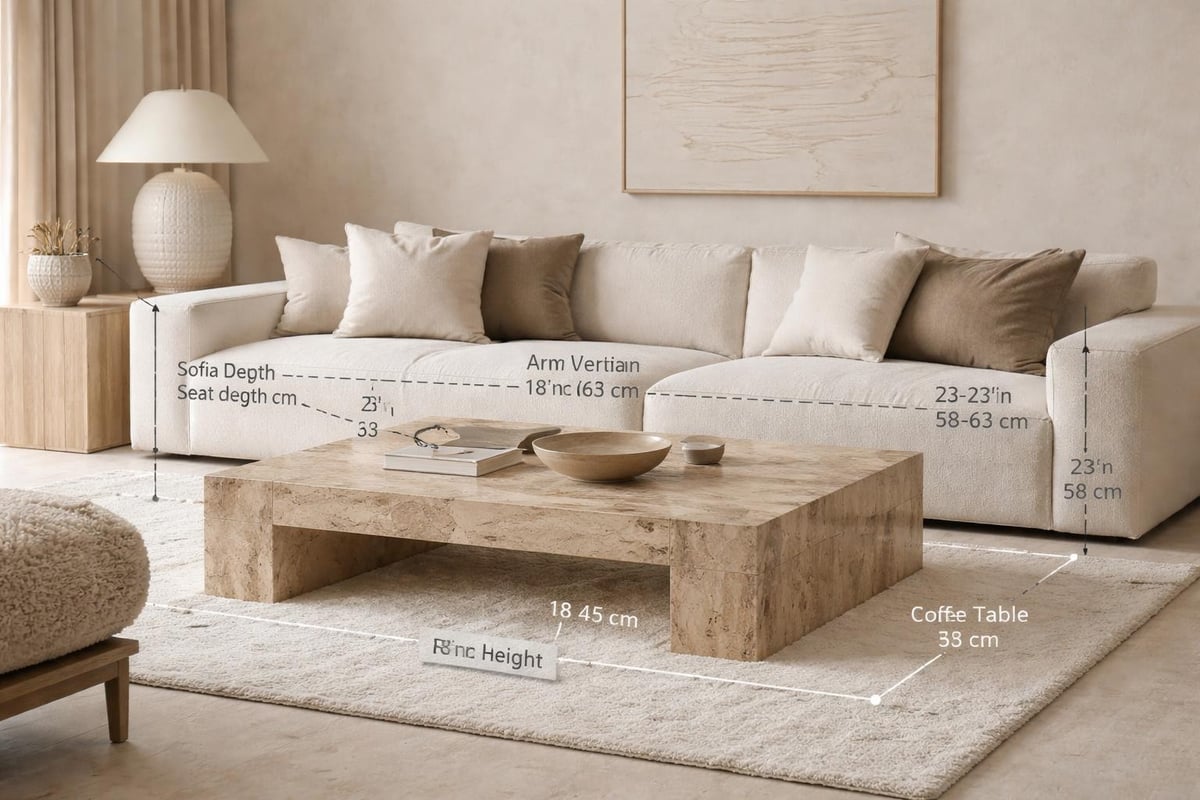
Professional interior designers follow clear guidelines when specifying sofas and tables for residential projects. The coffee table should sit approximately 40-50 centimetres from the sofa edge, allowing easy access while maintaining comfortable legroom. Height matters equally: aim for a coffee table that sits level with or slightly below the sofa seat cushions, typically 40-45 centimetres from the floor.
Side tables require different consideration. Position these 5-10 centimetres below the sofa arm height to ensure comfortable reach without stretching. For sectional configurations, designer modular sofas often require multiple accent tables to serve different zones within the seating arrangement.
Key measurements for New Zealand living rooms:
- Coffee table distance from sofa: 40-50cm
- Coffee table height: 40-45cm (level with seat cushions)
- Side table height: 5-10cm below sofa arm
- Console table behind sofa: 75-80cm height
- Dining table clearance from walls: minimum 90cm
Visual Weight Considerations
Consider the mass and density of each piece. A chunky timber coffee table grounds a room beautifully but requires a sofa with sufficient visual presence to maintain equilibrium. Conversely, a glass or marble table with slender legs pairs elegantly with streamlined contemporary upholstery, creating an airy, sophisticated aesthetic favoured in modern Auckland apartments.
Material Harmony and Contrast
The interplay between upholstery fabrics and table materials defines a room's character. Successful pairing isn't about perfect matching; it's about creating intentional relationships that add depth and interest.
Complementary Material Combinations
Natural materials have surged in popularity across New Zealand interiors, driven by our connection to the landscape and emphasis on sustainability. Leather sofas develop character over time and pair beautifully with timber tables, whether you choose rich walnut, lighter oak, or reclaimed wood with visible grain patterns.
Bouclé and textured fabrics have dominated sofa color trends in recent years, offering tactile appeal that contrasts effectively with smooth materials. Consider pairing these soft textures with powder-coated metal, polished stone, or high-gloss lacquer tables to create visual interest through material diversity.
| Sofa Material | Ideal Table Materials | Design Effect |
|---|---|---|
| Leather | Timber, brushed brass, marble | Classic, refined, ages beautifully |
| Bouclé or textured fabric | Metal, glass, high-gloss | Modern contrast, textural interest |
| Linen or cotton | Oak, walnut, ceramic | Casual elegance, coastal feel |
| Velvet | Brass, smoked glass, stone | Luxurious, dramatic, layered |
| Performance fabric | Any material | Practical versatility, family-friendly |
Colour Coordination Strategies
While cool grey upholstery may be declining, warmer neutrals and bold accent colours continue to define sophisticated New Zealand interiors. The tables you select should either complement or intentionally contrast with your sofa's palette.
Monochromatic schemes create calm, cohesive spaces. A charcoal sofa paired with black-stained oak tables delivers understated elegance, whilst cream upholstery with light timber creates an inviting, Scandinavian-inspired aesthetic. For those embracing colour, consider how table materials either amplify or balance your choice. A deep green sofa gains sophistication when anchored by brass and marble tables, whilst terracotta or rust tones pair beautifully with natural timber finishes.
Functional Considerations for Daily Living
Beautiful furniture must also serve practical needs. How you use your living space directly influences which sofas and tables will work best.
Storage and Surface Area
Modern living rooms demand versatility. Coffee tables with integrated storage, whether drawers, shelves, or lift-top mechanisms, support tidy spaces without compromising design integrity. Consider your daily routines: do you need surface area for laptops, books, and entertaining? Will you display decorative objects, or do you prefer minimalist surfaces?
Side tables serve multiple functions beyond holding drinks and lamps. In contemporary New Zealand homes, these pieces often accommodate charging stations, reading materials, and personal items. Select tables with sufficient surface area to support your lifestyle whilst maintaining proportional harmony with your sofa.
Essential functional questions:
- Do you entertain frequently and need generous surface space?
- Will the coffee table support casual dining or work-from-home needs?
- Do you require integrated storage for blankets, remotes, or magazines?
- How many people typically use the seating area simultaneously?
- Does your household include young children or pets?
Durability and Maintenance
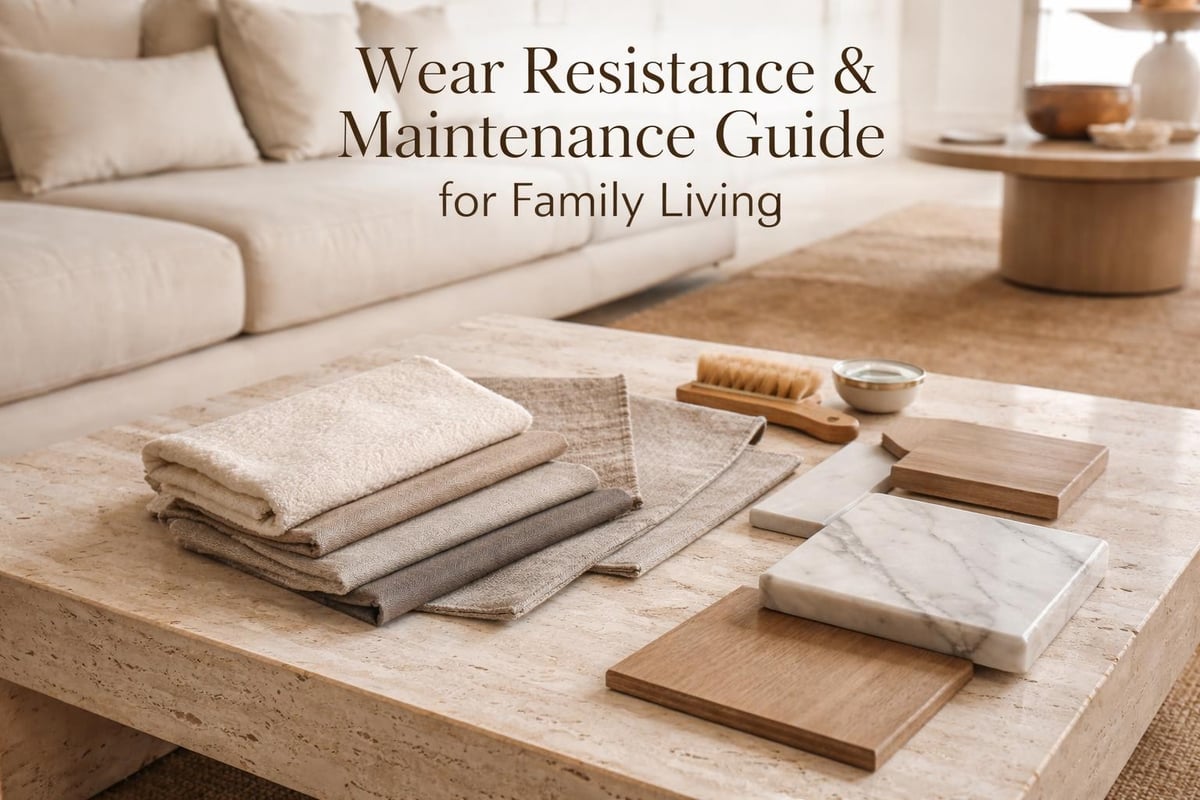
Investment furniture should withstand daily use whilst maintaining its appearance. Performance fabrics have revolutionised upholstery, offering stain resistance without compromising aesthetics. Pair these practical sofas with equally durable table materials: tempered glass, sealed stone, and quality timber with protective finishes all resist everyday wear.
New Zealand's climate presents specific challenges. Coastal properties face salt air and humidity, whilst drier regions may cause timber to contract. Select materials appropriate to your environment and commit to regular maintenance. Quality contemporary furniture rewards this care with decades of service.
Configuring Multi-Functional Spaces
Open-plan living dominates modern New Zealand architecture, requiring furniture that defines zones without creating barriers. Sofas and tables become spatial tools, delineating areas for conversation, dining, and circulation.
Creating Conversation Areas
Arrange seating to encourage interaction whilst maintaining comfortable personal space. A single sofa paired with accent chairs creates intimate groupings, anchored by a central coffee table. In larger rooms, facing sofas separated by a substantial coffee table establish symmetry and formality, ideal for entertaining.
Side tables at each seating position ensure everyone can set down drinks and personal items without reaching across others. This consideration becomes particularly important in professional contexts, where contemporary furniture must facilitate client meetings and team collaboration.
Defining Dining and Living Zones
In open-plan spaces, strategic furniture placement separates functions whilst maintaining visual flow. Position your sofa to create a natural boundary between living and dining areas, with the sofa back serving as a subtle divider. Console tables placed behind the sofa reinforce this separation whilst providing display space and additional storage.
The relationship between dining tables and living room seating requires careful consideration. Ensure adequate circulation space (minimum 90 centimetres) between these zones. Where space permits, area rugs help define each zone, with the living room rug extending beyond the sofa and coffee table footprint by 30-40 centimetres on all sides.
Styling and Accessorising
Once you've selected the right sofas and tables, thoughtful styling completes the picture. Accessories add personality whilst respecting the clean lines of contemporary design.
Coffee Table Styling Principles
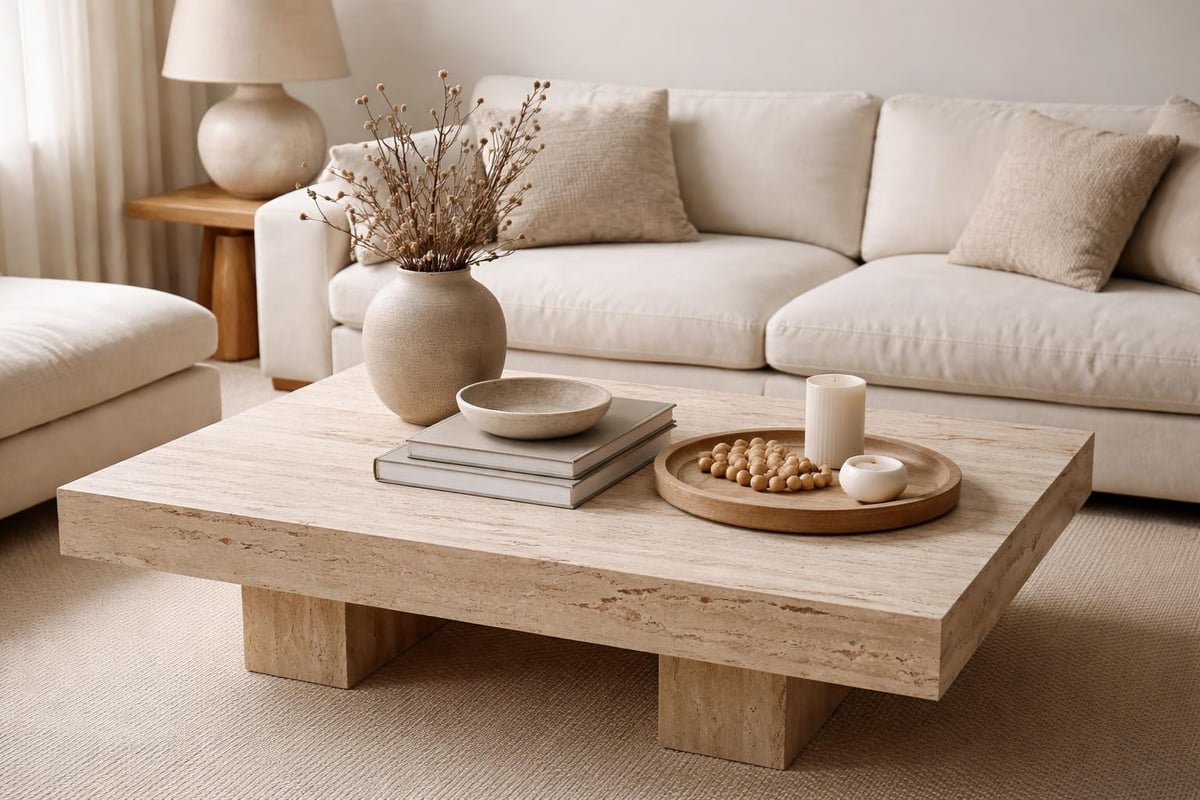
Professional designers follow the rule of thirds when styling coffee tables. Divide the surface visually into thirds, placing objects in groupings rather than scattering items randomly. This might include a stack of design books, a sculptural object, and a small tray for practical items.
Effective coffee table styling elements:
- Design books or art publications (stack 2-3 maximum)
- Sculptural or organic objects (ceramics, timber bowls, stones)
- Small trays to corral remotes and smaller items
- Fresh flowers or greenery in considered vessels
- Candles in various heights for ambience
Avoid cluttering the surface. Negative space allows the table's material and form to shine whilst ensuring practical surface area remains accessible. This restraint defines contemporary New Zealand design.
Side Table Considerations
Side tables offer opportunities for personalisation through lighting, artwork, and treasured objects. Table lamps provide task lighting for reading whilst contributing to the room's ambient glow. Select lamp bases that complement your table material without overwhelming the surface.
Consider scale carefully. A delicate table requires a proportionally modest lamp, whilst substantial pieces can support larger fixtures. The lampshade bottom should sit approximately at eye level when you're seated, preventing glare whilst maximising light distribution.
Commercial and Residential Specifications
The requirements for sofas and tables differ significantly between residential and commercial applications. Understanding these distinctions ensures appropriate specification for your project type.
Residential Selection Criteria
Home furniture prioritises comfort, personal style, and longevity. Residential clients typically invest in pieces they'll live with for 10-15 years or longer, making quality construction and timeless design paramount. Contemporary sofas for homes balance aesthetics with the reality of daily family life, movie nights, and weekend relaxation.
Table selection follows similar principles. Coffee tables endure constant use, from morning coffees to evening entertaining. Residential specifications should emphasise durability without sacrificing design intent. Timber with quality finishes, thick tempered glass, and solid construction ensure your investment withstands everyday demands.
Commercial and Hospitality Requirements
Commercial spaces demand furniture engineered for intensive use. Hospitality venues, corporate reception areas, and co-working spaces require upholstery rated for commercial applications, with high abrasion resistance and easy cleaning protocols. Tables must withstand frequent impacts, spills, and constant repositioning.
Frame construction becomes critical in commercial contexts. Hardwood frames with reinforced joinery, commercial-grade foam densities, and performance fabrics tested to 100,000+ double rubs ensure longevity under demanding conditions. Commercial tables often feature materials like powder-coated steel, high-pressure laminate, and engineered stone that resist damage whilst maintaining appearance.
| Specification | Residential | Commercial |
|---|---|---|
| Fabric durability | 15,000-30,000 rubs | 100,000+ rubs |
| Frame construction | Kiln-dried hardwood | Reinforced hardwood/metal |
| Foam density | 30-35 kg/m³ | 35-40 kg/m³ |
| Warranty period | 5-10 years | 3-5 years (intensive use) |
| Maintenance | Periodic cleaning | Daily protocols required |
Current Design Movements
Contemporary furniture design continues to evolve, influenced by global trends and local preferences. Understanding current movements helps inform selection whilst avoiding passing fads.
Embracing Organic Forms
Angular, geometric designs are giving way to softer silhouettes with curved arms, rounded corners, and sculptural profiles. This shift reflects broader design philosophies emphasising comfort and approachability. Organic shapes and textured materials create inviting spaces that feel considered rather than austere.
Round and oval coffee tables have gained prominence, offering gentler profiles that improve circulation in compact spaces whilst adding visual softness. These forms pair beautifully with both angular and curved sofas, creating dynamic contrast or harmonious flow depending on your design direction.
Textural Depth and Layering
Contemporary New Zealand interiors increasingly embrace material diversity. Smooth leather sofas gain interest when paired with textured timber tables showing natural grain variations. The fringe sofa trend demonstrates how decorative details add movement and dimension, complemented by tables with equally considered detailing, such as fluted edges, carved bases, or inlaid materials.
Avoid matchy-matchy aesthetics. The most sophisticated spaces layer materials thoughtfully, creating conversation between pieces rather than uniform repetition. This approach allows individual furniture items to express their unique character whilst contributing to cohesive overall design.
Multifunctional Innovation
Space efficiency drives innovation in furniture design. Ottomans serving as coffee tables reflect this trend, offering flexible functionality for homes requiring adaptable furniture. Nesting tables, extending coffee tables, and modular systems respond to evolving spatial needs without compromising aesthetics.
For New Zealand homes, where indoor-outdoor living remains central to lifestyle, consider how your sofas and tables support this fluidity. Durable, weather-resistant materials enable seamless transition between interior and covered outdoor areas, extending your living space seasonally.
Long-Term Value and Investment
Quality furniture represents significant financial commitment. Understanding what distinguishes investment pieces from disposable furniture helps justify costs whilst ensuring satisfaction.
Construction Quality Indicators
Examine how sofas and tables are built, not just how they appear in showroom settings. Sofa frames should use kiln-dried hardwood joined with dowels, corner blocks, and adhesive, never staples alone. Cushion construction affects both comfort and longevity; consider feather-wrapped foam cores that maintain shape whilst offering the luxury of down.
Table construction varies by material, but quality remains evident in details. Solid timber tables feature proper joinery, with legs attached via mortise-and-tenon joints or threaded inserts, never surface-mounted brackets. Veneered tables should use thick, quality veneer over substantial substrates, not thin laminate over particle board.
Quality construction checklist:
- Hardwood frame with reinforced joinery
- Eight-way hand-tied springs or sinuous springs (not web)
- High-resilience foam with feather or fibre wrap
- Removable, cleanable cushion covers
- Solid timber or quality veneer (minimum 3mm)
- Dovetail or mortise-and-tenon joinery
- Adjustable feet for levelling
- Manufacturer's warranty (minimum 5 years)
Design Longevity
Trends fade, but well-designed furniture endures. Select sofas and tables with clean lines and proportions that transcend seasonal fashions. While bold colours like cherry red make striking statements, consider whether you'll appreciate this intensity in five years. Alternatively, invest in neutral upholstery and introduce colour through easily changeable elements like cushions and throws.
Classic materials age beautifully. Quality leather develops rich patina, solid timber gains character through minor marks and variations, and well-maintained fabrics soften without degrading. This graceful ageing distinguishes investment furniture from disposable alternatives that simply look worn.
Customisation and Personalisation
Off-the-shelf furniture serves many needs, but customisation ensures perfect fit for unique spaces and specific requirements. Understanding available options helps you create truly personalised interiors.
Tailored Dimensions
Standard furniture dimensions suit average rooms, but New Zealand homes vary dramatically. Heritage villas feature generous ceiling heights and room proportions, whilst modern apartments maximise compact footprints. Custom sizing ensures your sofas and tables fit properly, neither overwhelming small spaces nor appearing lost in expansive rooms.
Beyond overall dimensions, consider customising depths, heights, and configurations. Deeper sofas suit tall individuals and those who prefer curling up, whilst shallower profiles work better in narrow rooms. Table heights can adjust to suit specific sofa designs, ensuring proper proportional relationships.
Material and Finish Selection
Customisation extends to materials and finishes. Select from curated fabric collections, leather grades, and timber species to achieve precisely the aesthetic you envision. This personalisation ensures your furniture complements existing architectural features, flooring, and design elements unique to your home.
For commercial projects, custom solutions address specific branding requirements, integrate technology seamlessly, and respond to unique spatial challenges. Working with experienced furniture specialists like those at Bauhaus ensures these custom pieces meet both aesthetic and functional briefs.
Maintenance and Care Protocols
Proper maintenance preserves your investment and ensures sofas and tables remain beautiful throughout their lifespan. Establish routines appropriate to your furniture materials.
Upholstery Care
Vacuum upholstered furniture weekly using appropriate attachments to remove dust and prevent abrasion from ground-in particles. Address spills immediately, blotting rather than rubbing to prevent staining and fabric damage. Professional cleaning every 12-24 months maintains appearance and extends fabric life, particularly important for light-coloured upholstery.
Leather requires different care. Wipe with barely damp cloths monthly, and condition every 6-12 months using products recommended by your furniture manufacturer. Avoid placing leather sofas in direct sunlight, which causes fading and drying. Natural variations and minor marks contribute to leather's character; embrace these rather than attempting perfection.
Table Maintenance
Timber tables benefit from regular dusting and occasional treatment with quality furniture polish or wax. Use coasters and placemats religiously to prevent water rings and heat damage. Address scratches promptly with touch-up markers or professional refinishing before damage spreads.
Glass and stone tables require different protocols. Clean glass with appropriate solutions and microfibre cloths to prevent streaking. Stone surfaces need periodic sealing to prevent staining; frequency depends on stone type and use intensity. Marble, being particularly porous, demands careful maintenance and immediate attention to acidic spills like wine or citrus.
Selecting sofas and tables that work harmoniously requires balancing proportion, material, function, and personal style. The principles outlined here apply whether you're furnishing a compact apartment or an expansive family home. At Bauhaus, our experienced team helps Auckland homeowners, designers, and developers navigate these decisions with confidence, offering curated collections of contemporary furniture built to last. Visit our showrooms to experience quality craftsmanship firsthand and discover pieces perfectly suited to your space.