Choosing dining tables new zealand homeowners actually live with requires understanding more than style. The table anchors daily life: breakfast with coffee, weeknight meals, homework spread across walnut veneer, weekend gatherings that run late. A well-made piece handles it all without complaint. Construction, material, proportion and finish determine whether a table lasts decades or disappoints within months. New Zealand's furniture market offers both extremes. Knowing what to look for makes the difference between a purchase you forget about and one that requires replacement, repair or regret.
Material Choices for Dining Tables in New Zealand
Timber remains the dominant material for dining tables new zealand buyers choose, and for good reason. It offers warmth, durability and a surface that ages rather than degrades. Not all timber performs equally.
Solid Timber Versus Veneer Construction
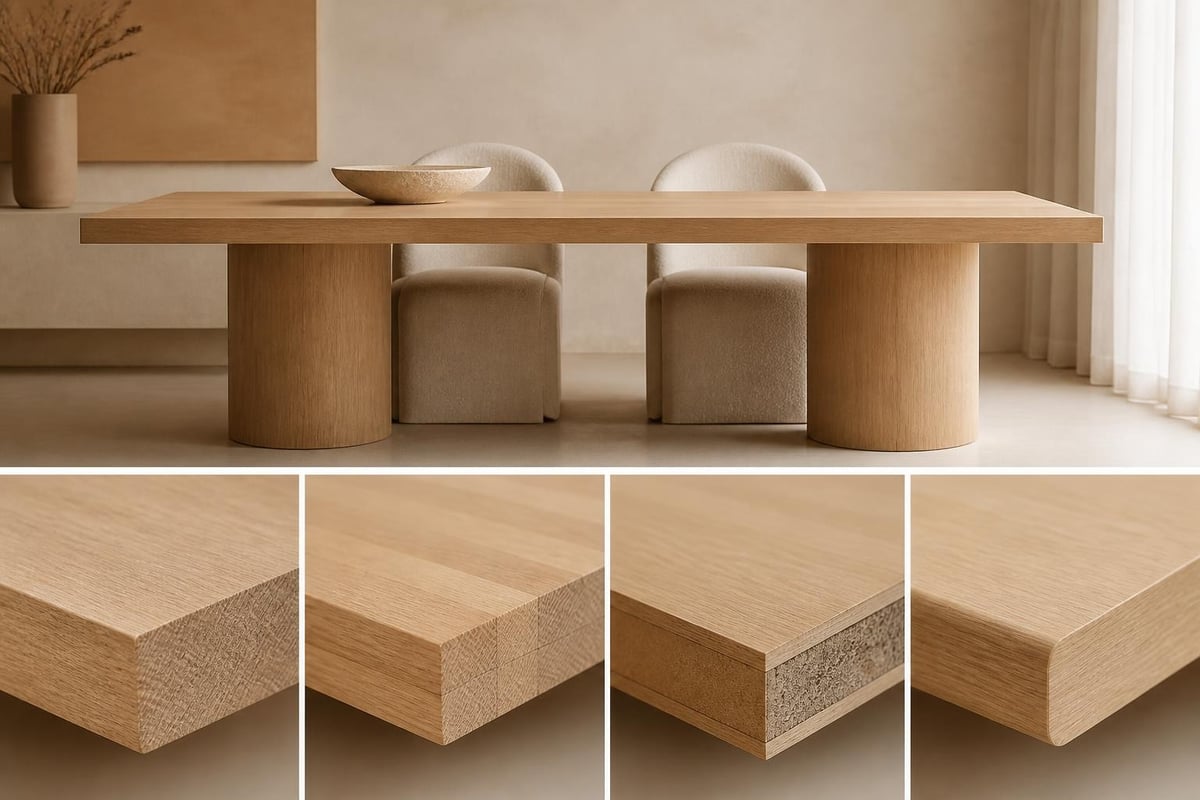
Solid timber tables use cuts of wood throughout the top, typically edge-glued boards to achieve width. Oak, walnut, ash and American oak appear frequently in mid-to-high end collections. These timbers offer grain variation, density and resistance to everyday wear. A solid top will show minor dents over time, but these add character rather than compromise integrity.
Veneer construction applies a thin layer of quality timber over engineered substrate, usually MDF or plywood. Done well, veneer tables offer stability. The engineered core resists seasonal movement better than solid timber, reducing the risk of warping or splitting in New Zealand's variable humidity. Veneer also allows bookmatched grain patterns across wider surfaces, creating visual continuity impossible with solid planks.
The key distinction lies in edge treatment and thickness. Quality veneer tables use solid timber edging and substrate thick enough to prevent flexing. Cheap veneer tables use printed film or paper-thin wood over particle board. These fail quickly.
| Construction Type | Typical Material | Durability | Price Range |
|---|---|---|---|
| Solid timber | Oak, walnut, ash | High (20+ years) | $2,000 - $8,000+ |
| Quality veneer | Timber veneer on ply | High (15+ years) | $1,500 - $5,000 |
| Laminate/melamine | Printed surface | Moderate (5-10 years) | $400 - $1,200 |
Sourcing and Sustainability Considerations
New Zealand permits both imported and locally sourced timber in furniture production. Imported timber requires compliance with biosecurity and import health standards to prevent pest and disease introduction. Reputable retailers verify treatment and certification before bringing stock into the country.
Native timber use falls under strict regulation. Purchasing or selling New Zealand native timber requires documentation proving legal and sustainable harvest. Rimu, kauri and matai occasionally appear in custom or vintage tables, but contemporary production favours sustainably certified plantation species.
FSC certification provides third-party verification of responsible forestry practices. Tables certified to New Zealand ecolabel standards meet additional criteria around adhesives, finishes and manufacturing processes. The Ecochoice Aotearoa furniture specification outlines these requirements in detail.
For those seeking locally made options, New Zealand farm forestry supports smaller-scale timber production and value-adding operations. Some local makers source specialty timbers through these networks, offering tables with traceable New Zealand provenance.
Sizing and Proportions That Work
Dining tables new zealand homes accommodate must balance available space with functional capacity. Getting the dimensions wrong creates daily frustration.
Calculating Space Requirements
Allow 60cm of table edge per person as a minimum. A family of four needs at least a 120cm x 80cm table for comfortable dining. Six people require 160cm to 180cm length. These dimensions assume standard dining chairs roughly 45cm wide.
Clearance around the table matters as much as the table itself. Leave 90cm to 100cm between the table edge and walls or furniture. This allows chairs to pull out fully and people to move past seated diners without turning sideways. In tighter spaces, 75cm works, but expect some congestion during meals.
Rectangular tables suit most New Zealand dining rooms. Round tables require more floor space relative to seating capacity but improve conversation flow. Oval tables offer a middle ground.
Height and Underframe Considerations
Standard dining table height sits between 74cm and 76cm. This pairs with chairs 45cm to 48cm high, leaving 26cm to 28cm clearance for thighs. Tables outside this range create ergonomic problems unless you're specifying custom seating to match.
Apron depth (the horizontal frame piece beneath the tabletop) affects knee clearance. A deep apron (12cm+) looks substantial but restricts leg room, particularly for taller people. Shallow aprons or apron-free designs using other bracing methods offer more comfort.
Base design determines stability and leg placement. Four-legged tables provide corner support but can interfere with seating at the ends. Pedestal bases or trestle designs clear the perimeter, allowing flexible chair placement. Ensure the base footprint extends close to the table edge to prevent tipping when someone leans on a corner.
Construction Details That Signal Quality
Well-made dining tables new zealand specialists supply share common construction traits. These details separate furniture that holds up from pieces assembled to meet a price point.
Joinery and Frame Assembly
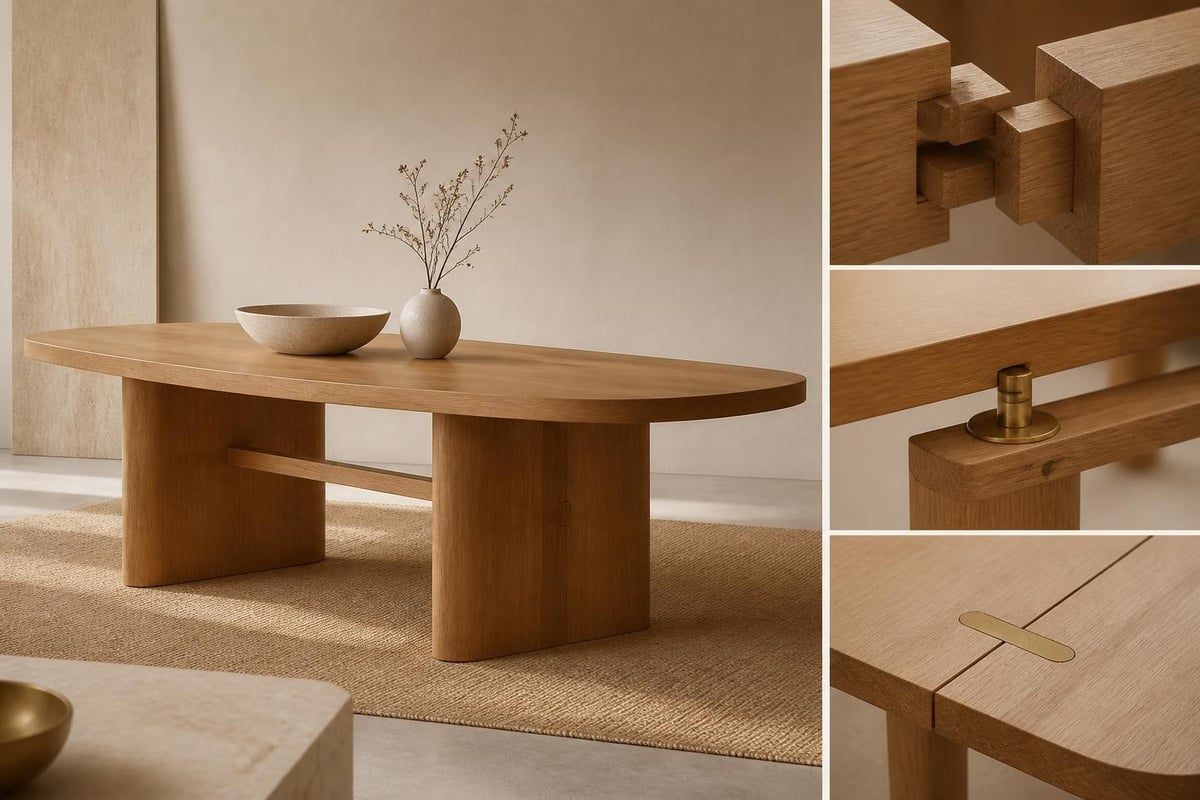
Traditional mortise-and-tenon joints outlast screwed butt joints. The mortise (a socket cut into one piece) receives the tenon (a projecting tongue on the mating piece), creating mechanical interlock reinforced with glue. This joinery resists the racking forces dining tables endure when moved, leaned on or loaded with dishes.
Dowel joints offer a simpler alternative, using precision-drilled holes and glued wooden pins. Done well with multiple dowels per connection, this method provides adequate strength for lighter tables. Avoid tables relying solely on biscuit joints or pocket screws in the primary frame, these lack the long-term durability required.
Tabletop attachment must allow for seasonal timber movement. Durability standards inform material selection, though furniture falls outside building code scope. The principle applies: quality construction anticipates material behaviour over time. Metal clips, slotted screw holes or figure-eight fasteners secure the top while permitting expansion and contraction across the grain. Fixed attachments lead to cracks and splits.
Finish and Surface Protection
Dining table finishes need to resist water, heat and abrasion. Hardwax oil penetrates the timber surface, offering low-sheen protection that's easily maintained. Wipe spills immediately, re-oil annually. Minor scratches disappear with light sanding and fresh oil.
Lacquer finishes build a protective film atop the timber. Modern two-pack polyurethane lacquers offer excellent resistance to moisture and heat, though they're harder to repair invisibly if damaged. The finish feels smooth, almost plastic-like compared to oil.
Avoid tables finished with basic varnish or low-quality lacquer. These show scratches easily, yellow over time and peel at edges where moisture penetrates.
Matching Tables to New Zealand Living Styles
Contemporary New Zealand homes vary widely in layout, age and style. Dining tables new zealand families choose should reflect how the space gets used, not just how it photographs.
Open-Plan Considerations
Open-plan living dominates new builds and renovated villas. The dining table often sits visible from kitchen and lounge areas, making it a focal point. Proportion matters here. An undersized table looks lost in a large room. An oversized piece cramps circulation paths between zones.
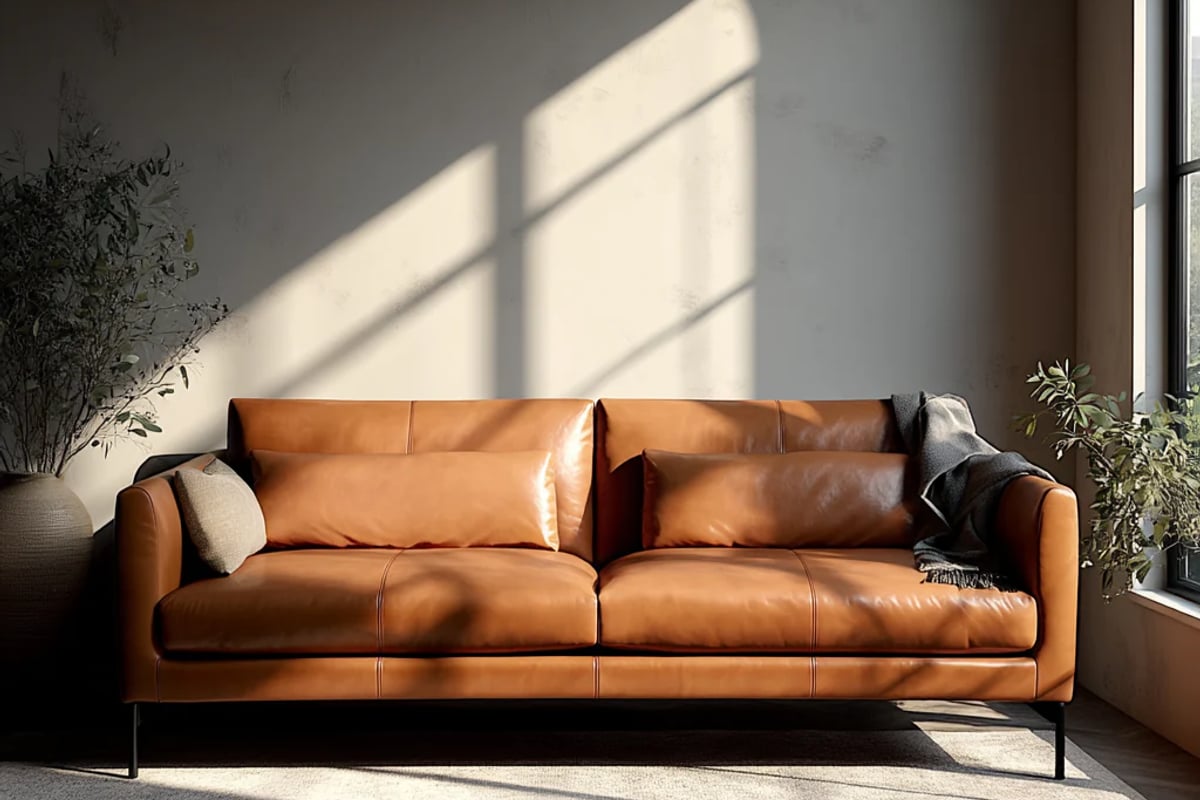
Material and finish should relate to surrounding furniture. A dark walnut table pairs naturally with leather sofas and warm-toned timber flooring. Light oak or ash suits spaces with linen upholstery and pale walls. The dining collection at Bauhaus demonstrates this material consistency across complementary pieces.
Extend your material palette thoughtfully. Mixing timber species works when undertaken deliberately. Walnut dining chairs with an oak table creates contrast. Random mixing looks unresolved.
Compact Spaces and Versatile Solutions
Apartments and smaller homes often lack dedicated dining rooms. The table serves multiple purposes: desk, craft surface, homework station. Durability becomes even more critical under this varied use.
Extension tables add capacity when needed. Butterfly leaf mechanisms store the extension within the table body, eliminating separate storage. Pull-out extensions require more effort but allow dramatic size changes. Ensure the extending mechanism operates smoothly and locks securely. Loose or sticky mechanisms frustrate daily use.
Drop-leaf tables and gate-leg designs suit very tight spaces but compromise on stability when extended. Test these thoroughly before purchase.
Material Consistency Across Furniture Collections
Those furnishing multiple rooms benefit from curated collections that share design language. Bauhaus approaches this through material and proportion rather than literal matching. A walnut dining table relates to walnut side tables or desk components without requiring identical pieces throughout.
This approach appears across contemporary European makers. Danish and Italian manufacturers particularly favour this restrained palette. Explore the furniture collection to see how tables, seating and storage relate through shared material and form.
Caring for and Maintaining Dining Tables
Proper care extends table life significantly. Most damage results from neglect or misunderstanding material needs.
Daily and Weekly Maintenance
Wipe spills immediately, particularly water, wine and acidic substances. These penetrate timber finishes and cause staining or discolouration if left. Use coasters under glasses and trivets under hot serving dishes. Heat creates white marks on lacquered surfaces and can damage oil finishes.
Dust regularly with a dry or barely damp microfibre cloth. Avoid spray polishes containing silicone, these build up over time and create a cloudy film. For oiled tables, wipe in the direction of the grain.
Weekly cleaning with a well-wrung cloth and mild detergent (diluted dishwashing liquid works) removes cooking residue and fingerprints. Dry immediately after cleaning.
Long-Term Care and Refinishing
Oiled timber tables need re-oiling every 12 to 18 months, depending on use. Sand lightly with 240-grit paper in the grain direction, remove dust, then apply thin coats of hardwax oil with a cloth. Allow each coat to penetrate for 10 to 15 minutes before buffing excess. Two coats typically suffice.
Lacquered tables don't require re-coating during normal use but can be professionally refinished if scratched or worn. This involves stripping the existing finish, light sanding and applying fresh lacquer. Most Auckland and Wellington furniture specialists offer this service.
Veneer tables with damaged edges or lifted corners require professional repair. Attempting DIY fixes often worsens the problem. Quality retailers provide repair contacts or warranty service.
Those considering sustainable end-of-life options will find growing support for furniture reuse and circular economy initiatives in New Zealand. Well-made tables retain value and find second owners through resale platforms, donation programmes or upcycling.
Shopping and Purchase Considerations
Buying dining tables new zealand retailers stock requires more care than ordering online sight-unseen. Tables represent significant investment and daily use.
Showroom Versus Online Purchasing
Visit showrooms when possible. Photographs don't convey scale, finish texture or build quality accurately. Sit at the table. Pull out a chair. Lean on the edge to test stability. Run your hand across the surface and underneath to check for rough edges or poor finishing.
Auckland shoppers benefit from multiple specialist retailers offering mid-to-high end contemporary pieces. Showroom staff at Bauhaus can explain construction details, material sources and care requirements specific to each table. This expertise matters when comparing similar-looking pieces at different price points.
Online purchasing suits those already familiar with a maker's quality or replacing an existing piece. Read specifications carefully: measurements, timber species, finish type and construction method should all be clearly stated. Vague descriptions ("timber-look finish" or "wood product") signal lower quality.
Understanding Consumer Rights and Guarantees
New Zealand's Consumer Guarantees Act protects furniture buyers. Tables must be of acceptable quality, fit for purpose, match descriptions and be durable. Consumer protection guidance explains your rights to refund, repair or replacement if these guarantees aren't met.
Durability expectations relate to price and marketing. A $500 table won't meet the same durability standard as a $5,000 piece. However, both must last a reasonable time under normal use. For a dining table, reasonable durability means years, not months.
Retailers may offer additional warranties beyond legal requirements. These typically cover manufacturing defects, not damage from misuse. Read warranty terms before purchase. Clarify what's covered and excluded.
Delivery and Installation Factors
Large tables require professional delivery. Confirm whether the price includes delivery, assembly and packaging removal. Some retailers charge separately for these services. Auckland delivery often costs $100 to $200 for standard metropolitan areas, more for rural locations or difficult access.
Measure doorways, hallways and stairwells before ordering. A 220cm table won't turn a 90-degree corner in an 80cm hallway. Some tables disassemble for delivery, then reassemble onsite. Confirm this if access is tight.
Check the table immediately upon delivery, before the delivery team leaves. Surface damage, missing hardware or wobbly construction should be documented and reported straight away. Accepting delivery without inspection weakens your position if problems emerge later.
Current Design Trends in New Zealand Dining Tables
Dining tables new zealand designers and retailers currently favour share several characteristics rooted in contemporary European design.
Material and Form Preferences
Natural timber finishes dominate over painted or high-gloss surfaces. Oak (both European and American white oak) appears most frequently, followed by walnut and ash. These species offer grain interest without excessive figuring or colour variation.
Table edges favour clean profiles: straight edges, subtle chamfers or small-radius roundovers. Heavily moulded or ornate edges feel dated. Leg designs run minimal, often tapered or cylindrical metal, slim timber posts or clean geometric forms. Avoid heavy turned legs or carved details unless working within a specific traditional aesthetic.
Thickness matters to visual weight. Tops between 30mm and 50mm thick look substantial without appearing bulky. Thinner tops (20mm to 25mm) suit smaller tables but can flex under load if the span is long.
Mixing Materials Thoughtfully
Timber tops with metal bases create visual lightness while maintaining surface warmth. Powder-coated steel, stainless steel and brass all appear in contemporary collections. Ensure the metal finish suits your other furniture. Black powder coat reads neutral. Brass or gold-toned metals need careful integration with existing pieces.
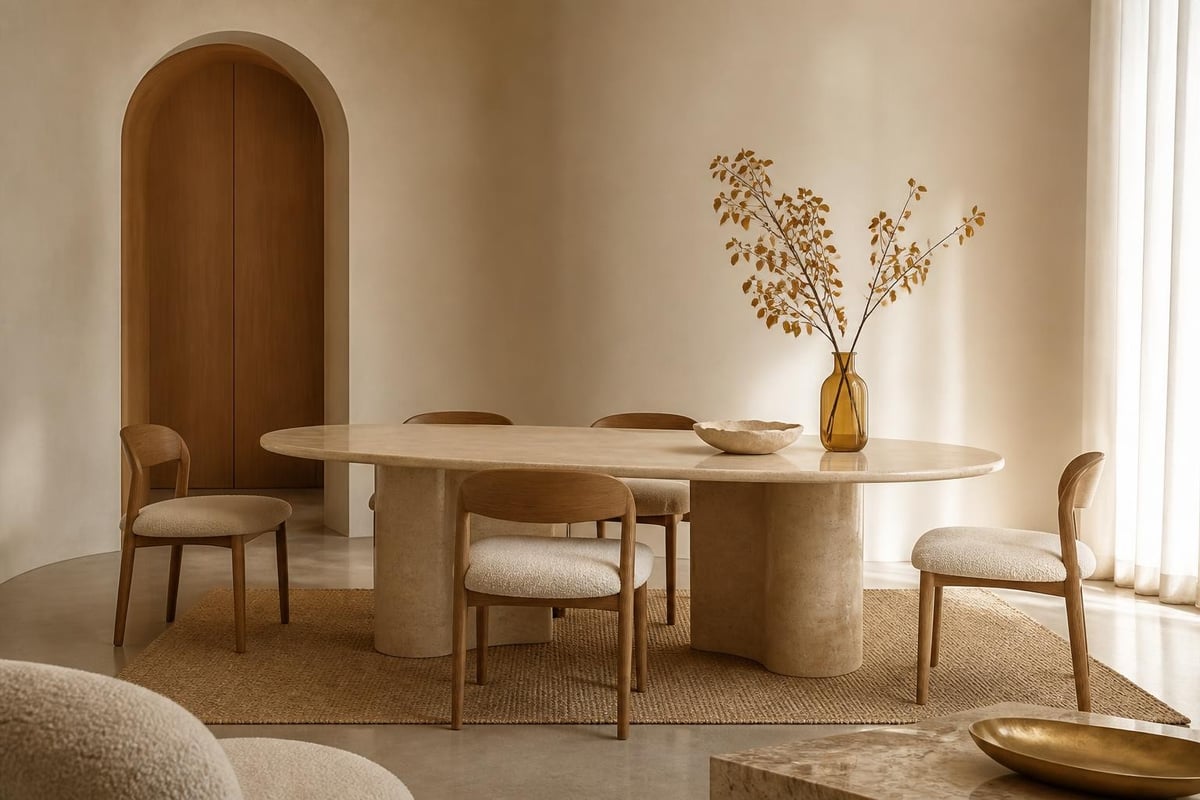
Some designs incorporate stone tops, particularly marble, granite or terrazzo. These offer unmatched heat resistance and distinct aesthetics. Stone is heavy, cold to touch and prone to staining from acidic substances. It suits formal dining more than family use.
Glass tops don't suit daily family use. Fingerprints, scratches and the risk of breakage outweigh the visual lightness they offer.
Sizing Trends and Flexible Configurations
Extension tables remain practical despite open-plan living. New Zealand families still host gatherings requiring extra capacity. Modern extending mechanisms integrate more discreetly than traditional pull-apart designs. Butterfly leaves and self-storing systems maintain clean lines when closed.
Longer fixed tables (220cm to 260cm) suit larger open-plan spaces and multigenerational households. These dimensions accommodate eight to ten people comfortably and anchor substantial rooms without extending.
Narrower tables (80cm to 90cm wide) appear more frequently than the traditional 100cm to 110cm widths. This reflects tighter building footprints in newer homes and preference for streamlined proportions. Ensure serving dishes and centrepieces fit comfortably before committing to a narrow table.
Integrating Dining Tables With Other Furniture
A dining table doesn't exist in isolation. It relates to seating, lighting, storage and the wider interior.
Pairing Tables With Seating
Dining chairs should suit the table height and style. Mixing chair designs works (upholstered end chairs with timber side chairs) but requires skill to avoid looking accidental. The lounge chairs and bar stools collections at Bauhaus demonstrate coordinated but not matchy approaches.
Upholstered chairs add comfort for long meals. Leather and performance fabrics handle spills better than linen or velvet. Timber chairs suit casual dining and stack or nest for storage when not needed.
Bench seating along one side maximises capacity in compact spaces and suits family dining with children. Pair with chairs opposite for flexibility. If you're exploring relaxed living spaces with thoughtful material choices, consider how accent elements like botanical scents from Haus of Smell can add subtle atmosphere without competing with the furniture's natural materials.
Lighting Placement and Scale
Pendant lights above dining tables require careful sizing and height. A single large pendant suits tables up to 160cm. Longer tables need multiple pendants or linear fixtures. Hang pendants 75cm to 80cm above the table surface. Lower creates intimacy but restricts sightlines. Higher loses impact and wastes light.
Pendant diameter should be roughly one-third to one-half the table width. A 100cm wide table pairs with a 35cm to 50cm diameter pendant. Scale up proportionally for larger tables.
Browse the lighting collection to see how fixture scale relates to furniture beneath.
Storage and Display Considerations
Sideboards and credenzas store dining essentials within reach: tableware, linens, serving pieces. Position storage along the wall nearest the table or kitchen for functional efficiency. The piece should relate to the table in material or finish. A walnut credenza with a walnut table creates coherence. Mixed timbers require more careful balancing.
Open shelving suits display but demands curation. Cluttered shelves undermine a refined dining space. Closed storage hides everyday items and maintains clean lines.
Coffee tables and side tables in living zones should echo the dining table's material and finish where possible. This creates flow through open-plan spaces without rigid matching.
Investment and Value Considerations
Dining tables new zealand households invest in should deliver value over time, not just initial appeal.
Price Points and What They Reflect
Entry-level tables ($400 to $1,200) typically use laminate, low-grade veneer or thin solid timber. Construction relies on mechanical fasteners, cam-lock fittings or simple butt joints. These suit short-term needs: rental properties, first homes or temporary spaces. Expect five to eight years of reasonable use.
Mid-range tables ($1,500 to $4,000) step up to quality veneer or solid timber construction. Joinery improves to include dowels, proper gluing and reinforcement. Finishes protect better. Hardware (if extending) operates smoothly. These represent good value for long-term family use.
High-end tables ($4,000 to $10,000+) feature solid hardwood, advanced joinery, hand-applied finishes and often imported European or Scandinavian design. At Bauhaus, these pieces balance investment cost with genuine design merit and build quality. They're built to last 20 to 30 years or more.
Resale Value and Longevity
Quality tables retain value. Recognized makers and timeless designs find ready buyers in secondary markets. Fashionable styles or unknown brands drop sharply in value once the initial trend fades.
Condition affects resale significantly. Well-maintained oiled timber tables with honest wear attract buyers seeking patina and quality. Lacquered tables with deep scratches, damaged edges or finish failures are difficult to sell.
For those considering home cinema installations or full home fit-outs, coordinating furniture across multiple rooms with a coherent material and quality approach increases overall property appeal and cohesion.
Timing Purchases and Stock Availability
Furniture retail follows predictable cycles. New season stock arrives late winter (July to August) and late summer (January to February). Discontinued or previous season pieces often clear at discounts during June and December. Smaller retailers may offer stronger negotiation room on floor stock.
Custom or made-to-order tables require lead times. European imports often need three to five months from order to arrival. Local makers typically deliver faster, six to twelve weeks for custom work. Factor these timelines into renovation or moving schedules.
In-stock pieces offer immediate availability but reduced choice. This suits urgent needs or those finding an ideal piece that's already available.
The Bauhaus Approach to Dining Tables
At Bauhaus, dining tables form part of a wider contemporary furniture offering built around material honesty, construction quality and enduring design. Since 2003, the focus has remained consistent: furniture that works in real New Zealand homes, not just on showroom floors.
The dining collection includes pieces from established European makers alongside carefully selected local production. Each table meets specific criteria around joinery, timber quality and finish durability. Staff understand construction details and can explain why one table costs twice another, similar-looking piece. This transparency helps buyers make informed choices matched to budget and need.
Visiting the Auckland showrooms allows hands-on assessment. Test stability. Compare finishes. Discuss how daily use in your home differs from the display environment. The team provides honest guidance rather than pushing highest-ticket items.
Selecting dining tables in New Zealand requires balancing practical demands, aesthetic preferences and construction realities. Well-made pieces from quality timber with proper joinery outlast cheaper alternatives by decades. At Bauhaus, we've built our reputation on understanding these distinctions and helping clients find tables that suit their homes, budgets and how they actually live. Visit our showrooms to explore the current collection, discuss your specific requirements and see firsthand what separates furniture built to last from pieces built to shift.