New Zealand's varied climate zones place unique demands on outdoor furniture. Coastal Auckland courtyards face salt spray and humidity, while Central Otago patios endure frost and intense UV. Choosing pieces that withstand these conditions requires more than browsing catalogues. It demands attention to material performance, frame construction, and realistic maintenance schedules. This guide examines the practical considerations behind selecting and caring for outdoor furniture nz homeowners rely on year after year.
Material Selection for New Zealand Climates
Understanding how materials respond to local weather patterns is the foundation of sensible outdoor furniture nz choices. Each material brings distinct strengths and maintenance requirements.
Aluminium Frames and Powder-Coated Finishes
Aluminium frames dominate the mid-to-high end of the market for clear reasons. The metal resists corrosion in salt-laden air, carries minimal weight for rearranging layouts, and accepts powder-coating in matte or gloss finishes. Welded aluminium joints hold firm through thermal expansion cycles common in full-sun positions.
Key performance factors:
- Marine-grade alloys rated for coastal exposure show better longevity than standard extrusions
- Powder-coat thickness above 60 microns offers superior chip resistance
- Hollow versus solid profiles affect both weight and structural rigidity under load
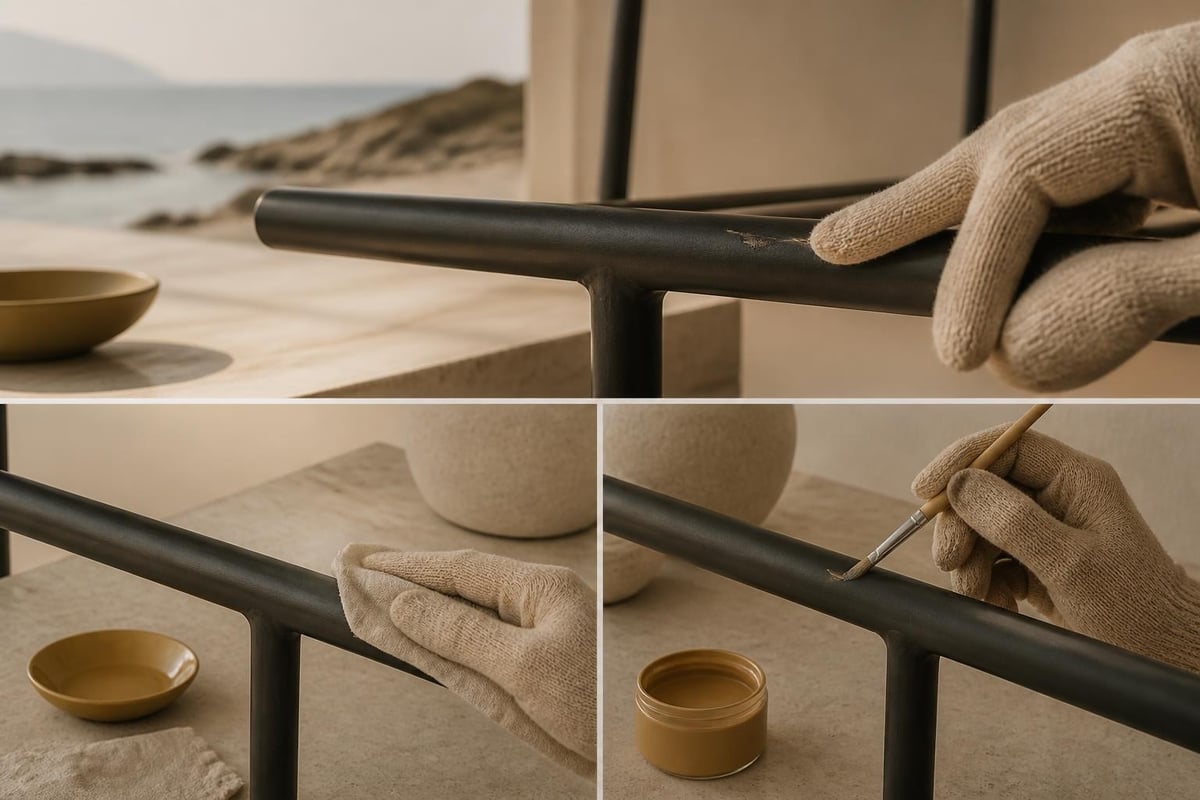
Powder-coated surfaces need inspection every six months. Chips down to bare metal invite oxidation, particularly in coastal postcodes. Touch-up paint matched to the original finish extends frame life by years.
Timber Species and Exterior Finishes
Timber outdoor furniture nz suppliers offer ranges from plantation teak to treated pine. Each species carries different durability ratings and finish requirements. Teak contains natural oils that repel water and resist decay, making it low-maintenance but expensive. Eucalyptus and acacia offer mid-range performance at lower cost, provided they receive annual oil treatments.
The Timbers of New Zealand maintenance guide for exterior timber details finishing protocols for different species. Unsealed timber weathers to grey within one season in direct sun, a patina some homeowners prefer. Those wanting to preserve original colour need UV-blocking oil applied every 12 months. Light sanding before re-oiling removes surface grime and opens the grain for better penetration.
| Timber Species | Natural Durability | Maintenance Frequency | Cost Tier |
|---|---|---|---|
| Plantation Teak | Excellent | Annual oil optional | High |
| Eucalyptus | Good | Annual oil required | Mid |
| Treated Pine | Moderate | Biannual stain/seal | Low-Mid |
| Acacia | Good | Annual oil required | Mid |
Synthetic Wicker and All-Weather Resin
Synthetic wicker, typically high-density polyethylene (HDPE) woven over aluminium frames, combines the visual warmth of natural rattan with weather resilience. Quality outdoor furniture nz collections use UV-stabilised resin that resists fading and cracking through summer heat. The weave pattern and strand thickness affect both appearance and durability. Tight weaves shed water faster but can trap fine dust. Open weaves allow better airflow but sag under sustained weight if the frame support is inadequate.
Cheaper resin grades become brittle within three years of UV exposure. Premium HDPE formulations, often identified by 8-year UV warranties, maintain flexibility and colour far longer. Check warranty terms before purchase, particularly for furniture destined for full-sun courtyards.
Setup and Placement Strategies
Even well-constructed outdoor furniture nz pieces degrade faster in poorly chosen positions. Strategic placement extends usable life and reduces maintenance burden.
Foundation and Drainage Considerations
Furniture legs standing in puddles invite rust, rot, and mould. Sloped timber decks drain naturally, but poured concrete patios often pool water after heavy rain. Placing furniture on slightly elevated bases, composite deck tiles or drainage mats keeps frames clear of standing moisture.
The BRANZ annual review highlights moisture management as a recurring theme in New Zealand building durability research. Principles that protect building envelopes apply equally to outdoor furniture: keep materials dry, allow airflow, inspect regularly.
Sun Exposure and Fade Mitigation
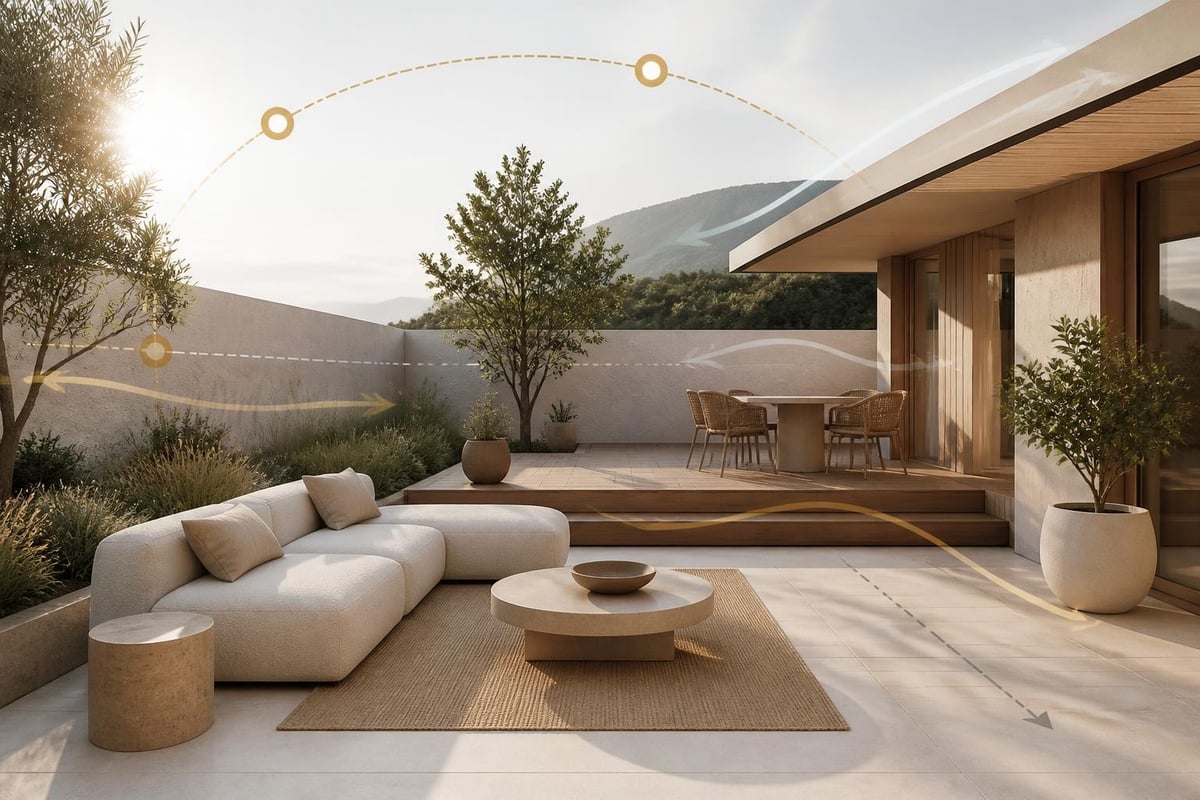
Full western sun exposure accelerates fabric fade and surface degradation. Positioning high-value pieces under pergolas, retractable awnings or shade sails reduces UV load. Fabrics rated 500+ hours in fade testing (often labelled "solution-dyed acrylic") perform better than unrated polyester blends.
For dining sets used mainly in evenings, temporary covers during peak sun hours (11am–3pm) preserve finish and fabric. Fitted covers trap moisture if left on damp furniture; air-dry pieces before covering.
Cushion Construction and Storage Protocols
Cushion specification separates functional outdoor furniture nz sets from those that become damp, musty frustrations within a single season. Core materials, cover fabrics, and storage routines all influence long-term performance.
Foam Grades and Water Resistance
Outdoor cushions use open-cell or closed-cell foam. Open-cell foam drains water through its structure, drying faster after rain but compressing more under load. Closed-cell foam repels water at the surface, resisting compression but drying slowly if saturated. High-resilience foam rated for outdoor use maintains loft through hundreds of wet-dry cycles. Budget foam collapses into hard lumps within two winters.
Covers should encase foam completely with zipped closures, not envelope-style openings that admit rain. The Product Safety New Zealand guidance on foam-filled furniture addresses fire-safety requirements for indoor pieces but underscores the importance of cover integrity in preventing contamination and degradation.
Seasonal Storage and Daily Care
Cushions stored in damp garden sheds or plastic bins without airflow develop mould over winter. Proper storage requires dry, ventilated spaces. Stacking cushions vertically on slatted shelves allows air circulation. Fabric protectant sprays add a hydrophobic layer that helps moisture bead off covers, but reapplication every few months is necessary to maintain effectiveness.
Daily care involves shaking cushions to redistribute fill and standing them on edge after rain to drain residual moisture. Ignoring this routine leads to permanent water stains and foam breakdown. For practical seasonal schedules, the Trade Tested outdoor furniture care guide offers month-by-month checklists tailored to New Zealand conditions.
Fabric and Surface Maintenance Regimens
Keeping outdoor furniture nz pieces looking presentable requires different approaches depending on material. Generic advice to "wipe clean regularly" overlooks the specific demands of each surface type.
Solution-Dyed Acrylic Versus Polyester
Solution-dyed acrylic fabrics resist fading because colour is integrated into the fibre during extrusion, not applied afterward. These fabrics tolerate bleach-based cleaners (diluted 1:10 with water) for mould or mildew stains without colour loss. Polyester and cotton blends fade under bleach exposure and require milder detergent solutions.
For stubborn stains, a soft brush with warm soapy water works better than high-pressure washing, which forces water into seams and foam cores. Rinse thoroughly; detergent residue attracts dirt and accelerates re-soiling.
Metal and Resin Surface Care
Powder-coated aluminium and steel frames need washing with pH-neutral detergents to avoid alkaline damage to the finish. Abrasive scrubbers scratch coatings, creating entry points for corrosion. Microfibre cloths and soft sponges remove grime without damaging surfaces.
Synthetic wicker accumulates dust and pollen in the weave. A vacuum with a brush attachment pulls debris from crevices more effectively than spraying with a hose, which often drives dirt deeper. Annual deep cleaning with diluted all-purpose cleaner restores original appearance.
Regular maintenance checklist:
- Vacuum or brush resin weave weekly during pollen season
- Wash frames monthly with pH-neutral cleaner
- Inspect powder-coat for chips every six months
- Apply touch-up paint immediately to any bare metal
- Treat timber annually with UV-blocking oil
- Store cushions in dry, ventilated space over winter
Safety, Stability and Regulatory Context
Outdoor furniture poses injury risks when poorly assembled or positioned. ACC's injury data for New Zealand shows furniture-related claims rise during summer months, often involving unstable sets, sharp edges, or tipping incidents.
Anchoring and Wind Resistance
Lightweight aluminium sets tip in strong winds unless secured. Anchor bolts through deck boards or weighted bases prevent movement. Umbrella bases require sufficient mass; a 15kg base won't hold a 3m canopy in a 40km/h gust. Calculate required weight using manufacturer wind-load specifications.
Glass table tops need toughened (tempered) safety glass, not standard annealed glass that shatters into dangerous shards. Check that glass meets AS/NZS 2208 safety glazing standards. Edges should be polished smooth, not rough-cut.
Consumer Rights and Warranty Expectations
Consumer NZ guidance on the Fair Trading Act clarifies that outdoor furniture sold in New Zealand must be fit for purpose and match advertised descriptions. Reasonable durability expectations vary by price point. A $300 set from a discount retailer won't match the lifespan of outdoor furniture nz specialists supply in the mid-to-high tier. However, premature failure (frames corroding within a year, fabric disintegrating after one summer) warrants a remedy regardless of price.
Warranties should specify coverage for structural frames, mechanical components (reclining mechanisms, folding hinges), and fabrics separately. Frame warranties of 5–10 years and fabric warranties of 2–3 years are common in quality ranges. Exclusions for normal wear, neglect, or improper maintenance are standard; read terms before purchase.
Configuring Outdoor Spaces for Comfort and Function
Outdoor furniture nz layouts need to accommodate movement, sun position changes, and multiple uses. Dining sets, loungers, and conversation groups serve different functions and require tailored spacing.
Dining Configurations and Clearance Zones
A six-seater dining table needs a minimum 240×180cm footprint, including chair pull-out space. Chairs need 60cm clearance behind them for comfortable seating and exit. In compact courtyards, benches on one or both sides reduce the footprint while seating the same number. Extendable tables offer flexibility for regular family meals and occasional gatherings without occupying excessive space year-round.
While Bauhaus specialises in living and dining room furniture for interior spaces, the principles of proportional layout and movement flow apply equally outdoors. Measure your available area carefully and allow for foot traffic around the perimeter.
Modular Lounge Layouts
Modular outdoor furniture nz sets allow reconfiguration as needs change. A four-piece sectional can form an L-shape for intimate conversation or separate into individual seats for sun-bathing. Flexibility matters in small gardens where a single courtyard serves dining, lounging, and children's play across different times of day.
Ensure modular pieces connect securely. Clips, brackets, or tongue-and-groove joints prevent sections drifting apart under use. Loose modules shift underfoot, creating trip hazards and uneven seating surfaces.
Long-Term Value and Total Cost Considerations
Evaluating outdoor furniture nz options purely on purchase price ignores maintenance costs, replacement frequency, and resale value. A comprehensive cost analysis over a realistic ownership period reveals the true value proposition.
Calculating Ownership Cost Over Five Years
Budget sets priced under $1,000 often require replacement within three years. Frames corrode, fabrics tear, and joinery fails. Mid-range sets ($2,000–$4,000) typically last five to seven years with proper care. Premium pieces ($5,000+) can exceed ten years if maintained correctly. Divide the purchase price by expected lifespan to calculate annual cost.
Add maintenance expenses: replacement cushions, timber oil, touch-up paint, professional cleaning. Budget sets may cost $500 upfront but $200 annually in repairs and replacements, totalling $1,100 over three years ($367/year). A $3,500 set lasting seven years with $100 annual maintenance totals $4,200 ($600/year). Lifespan and durability matter more than initial outlay.
| Price Tier | Purchase Cost | Expected Lifespan | Annual Maintenance | Total 5-Year Cost | Cost per Year |
|---|---|---|---|---|---|
| Budget | $800 | 3 years | $150 | $1,550 (replace in year 4) | $517 |
| Mid-Range | $2,500 | 6 years | $100 | $3,000 | $600 |
| Premium | $5,000 | 10+ years | $120 | $5,600 | $560 |
Resale and Environmental Considerations
Quality outdoor furniture nz pieces retain value. A well-maintained teak dining set can resell for 40–50% of original price after five years. Budget resin sets have negligible resale value and contribute to landfill. Premium aluminium frames can be recycled, though disassembly and transport costs often exceed scrap value. Timber pieces can be repurposed; teak table tops become indoor benches or garden edging.
Environmental impact matters to many homeowners. Local manufacturing reduces freight emissions but may cost more than imported alternatives. Plantation-grown timber from certified sources (FSC, PEFC) ensures renewable harvesting. Recycled HDPE resin diverts plastic waste from landfill. Interrogate material sources when sustainability influences your choice.
Integrating Indoor and Outdoor Living Zones
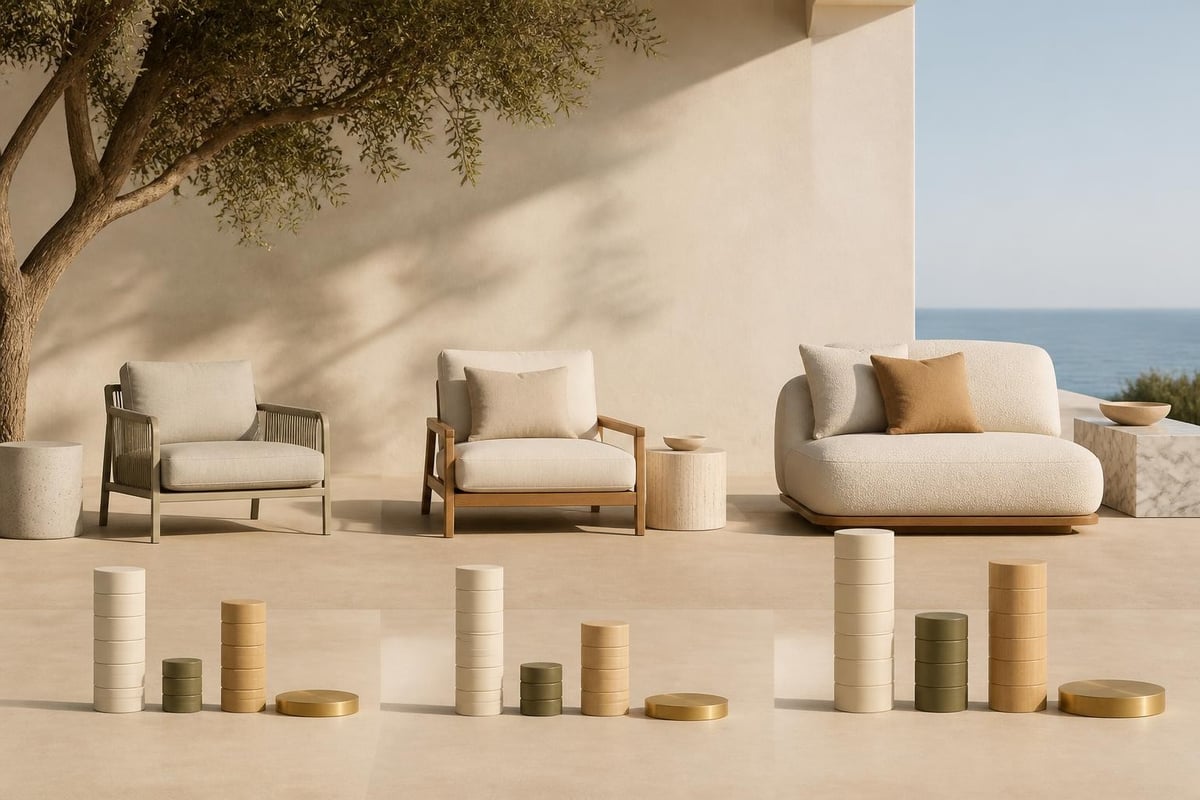
Open-plan homes blur the boundary between interior and exterior spaces. Consistency in material palette, colour, and design language creates visual flow when large sliding doors connect living rooms to courtyards or decks.
Material and Colour Coordination
Repeating timber species or metal finishes between indoor and outdoor furniture strengthens the connection. A walnut dining table inside paired with walnut-stained outdoor furniture nz pieces unifies the aesthetic. Black aluminium outdoor frames echo black metal legs on indoor occasional chairs.
Avoid exact colour matching of fabrics, which can feel forced. Instead, draw accent colours from outdoor cushions into interior throws or artwork. The goal is harmony, not duplication. For guidance on coordinating interior furniture selections, Bauhaus's furniture care guide covers maintaining finishes across different material types.
Transition Zones and Weather Barriers
Covered deck areas sheltered by eaves create semi-outdoor spaces suitable for furniture with slightly lower weather resistance. Occasional chairs not rated for full outdoor exposure can occupy these zones provided they're brought inside during storms. Retractable screens or louvre systems extend usable months by blocking wind and rain while maintaining airflow.
For transport between zones, furniture weight matters. Lightweight aluminium and resin pieces move easily; heavy timber or wrought-iron sets remain static. Plan layouts accordingly. Flexible arrangements need portable pieces; permanent settings can prioritise mass and stability.
Professional Advice and Showroom Evaluation
Photographs and specifications convey limited information about how outdoor furniture nz pieces feel in person. Construction quality, cushion firmness, and finish texture require hands-on assessment.
What to Test in a Showroom
Sit in chairs for several minutes, not just a quick perch. Does the seat depth suit your leg length? Can you rise easily, or do low frames trap you? Rock the frame gently; any wobble indicates weak joinery. Inspect welds, joints, and connections for clean, gap-free assembly. Run your hand along edges, feeling for sharp burrs or rough spots that will snag clothing or skin.
Check cushion covers. Can you remove them for washing? Are zippers robust, with large pulls that won't break? Squeeze foam through the cover; uniform density indicates quality fill. Lumpy or uneven cushions worsen rapidly with use.
While outdoor-specific showrooms are rare, visiting Bauhaus's Auckland showrooms allows you to assess construction techniques and material quality that translate across furniture categories. The same attention to frame integrity, cushion layering, and finish detail that defines quality sofas applies to outdoor pieces.
Coordinating with Landscaping and Hardscaping
Outdoor furniture nz selections should respond to existing landscape features, paving materials, and planting schemes. Mismatched styles create visual clutter; thoughtful coordination enhances the overall outdoor environment.
Decking and Paving Compatibility
Timber furniture on timber decks can feel monotonous unless you vary stain tones or introduce contrast through metal accents. Light-stained decking pairs well with dark walnut or charcoal aluminium frames. Dark decks benefit from lighter neutrals or natural teak that brightens the palette.
On concrete or paver patios, furniture legs need protective glides to prevent scratching and reduce noise when moving pieces. Rubber or felt pads suit most applications. Adjustable feet compensate for uneven surfaces, preventing wobble without shimming.
Planting and Greenery Context
Dense plantings create intimate, enclosed spaces suited to smaller lounge sets and bistro tables. Open lawns or minimalist courtyards accommodate larger dining configurations without visual crowding. Consider mature plant height; a table positioned near a hedge may end up shaded and damp as shrubs grow.
Avoid placing furniture directly beneath deciduous trees. Falling leaves, sap drips, and bird droppings triple cleaning workload. Evergreen trees with neat habits (pohutukawa, kowhai) pose fewer problems but still require regular sweeping.
Adapting to Regional Climate Variations
New Zealand's microclimates demand tailored approaches to outdoor furniture nz selection and care. What works in Northland may fail in Southland.
Coastal Versus Inland Considerations
Salt air in coastal areas accelerates corrosion on any exposed metal. Stainless-steel fittings (316 grade, not 304) resist pitting far better than standard hardware. Rinse frames monthly with fresh water to remove salt deposits. Aluminium performs better than steel in marine environments, but even marine-grade powder-coat benefits from regular washing.
Inland areas with lower humidity and higher UV intensity fade fabrics faster but reduce mould risk. Timbers dry and split more readily without regular oiling. Adjustment of maintenance frequency to local conditions prevents premature degradation.
Wind, Frost, and Extreme Weather
Central Otago and Canterbury high-country properties experience frost and occasional snow. Moisture trapped in cushion seams expands when frozen, splitting fabric and tearing fills. Store all soft furnishings indoors from May through September in frost-prone regions. Frames left outside need pre-winter inspection; repair any cracks or loose joints before freeze-thaw cycles worsen damage.
High-wind zones (Wellington, coastal Taranaki) require heavier furniture or secure anchoring. Tipping incidents cause injury and breakage. Umbrella-style shade structures must be collapsed or removed during gale warnings.
Just as regular servicing keeps European vehicles reliable through varied conditions at specialists like VODIS Automobile in Auckland, outdoor furniture nz pieces demand seasonal check-ups to maintain performance across New Zealand's diverse climates.
Enhancing Comfort with Accessories and Add-Ons
Basic outdoor furniture nz sets meet functional requirements, but accessories elevate comfort and extend usable seasons.
Heating and Lighting Solutions
Gas or electric patio heaters extend autumn and spring outdoor dining by several weeks. Radiant ceiling-mount heaters warm seated zones efficiently without obstructing floor space. Free-standing mushroom heaters provide flexible positioning but tip easily on uneven surfaces.
LED string lights, lanterns, and bollard path lighting create ambience and improve safety after dark. Solar-powered options eliminate wiring but require full-sun charging positions. Mains-powered fittings offer brighter, more reliable illumination.
Weather Protection and Shade Systems
Retractable awnings, shade sails, and pergola canopies reduce direct sun exposure, lowering ambient temperature and protecting furniture from UV. Waterproof canopies permit outdoor use during light rain. Ensure canopy frames use marine-grade stainless fittings; cheap zinc-plated hardware corrodes within months in humid conditions.
Side screens and outdoor curtains block wind and create privacy. Water-resistant fabrics rated for outdoor use withstand occasional rain but should be tied back during storms to prevent tearing.
Disclaimer: AI-supported images may differ from products on website.
Selecting outdoor furniture that performs reliably across New Zealand's varied climates requires attention to material durability, realistic maintenance commitments, and strategic placement. Well-chosen pieces reward you with years of comfortable outdoor living, while poor selections demand constant repairs or early replacement. Whether you're furnishing a coastal balcony or an alpine courtyard, thoughtful evaluation of construction quality and weather resistance ensures the furniture serves its purpose season after season. Visit Bauhaus to explore contemporary furniture designed for New Zealand homes, backed by personalised advice from our experienced Auckland showroom team who understand what quality construction looks and feels like.