Choosing the right coffee table means balancing function, material integrity and proportion within your living room. The coffee tables range in contemporary furniture showrooms reflects a shift toward refined construction, sustainable materials and honest design. Whether you're furnishing a compact Auckland apartment or a large-scale new build, the coffee table anchors your daily routine, from morning coffee to evening reading, and defines how your seating arrangement works. This guide covers material selection, proportional planning, construction quality and styling approaches to help you identify the piece that suits your space.
Material Selection and Durability
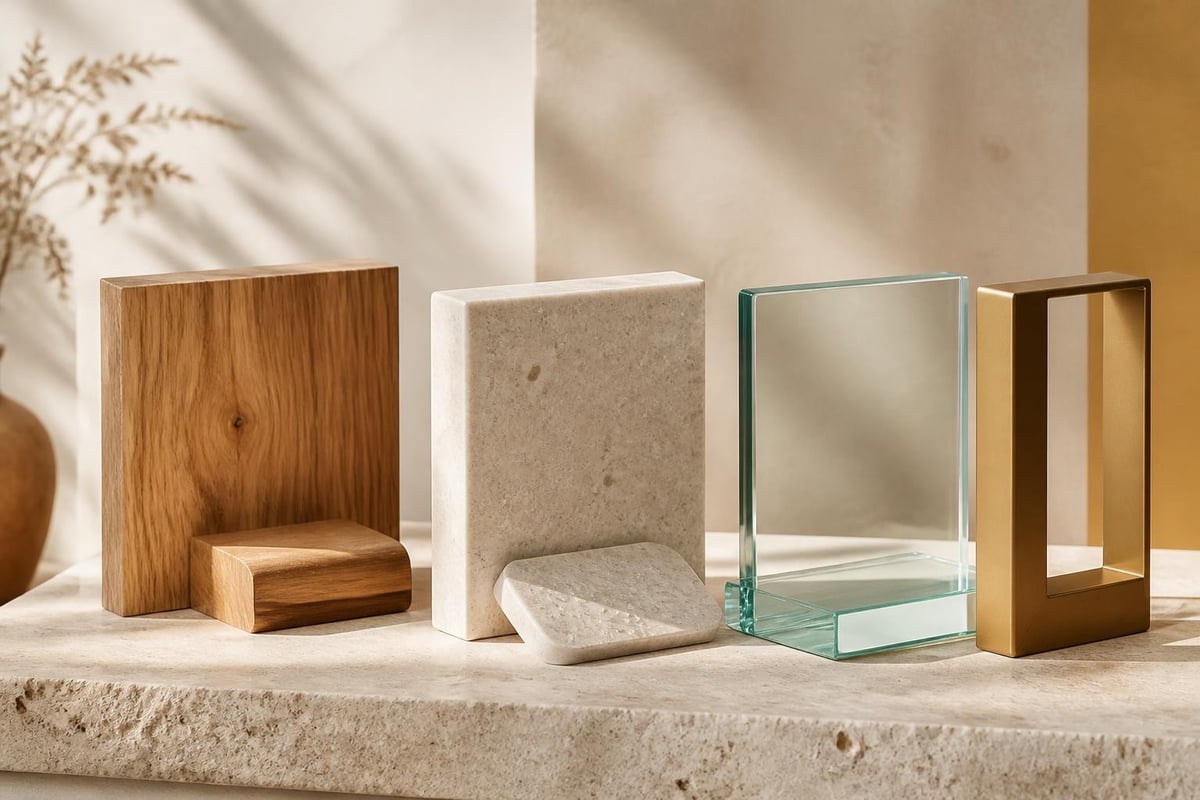
The materials you choose determine how the coffee table ages, cleans and holds up under daily use. Timber, stone composites, tempered glass, metal and engineered surfaces each carry distinct performance characteristics.
Solid Timber and Veneer Options
Solid timber coffee tables offer warmth, natural grain variation and the ability to sand and refinish over decades. Oak, ash and walnut dominate the contemporary coffee tables range for their workability and visual weight. Veneer-topped tables use a thin layer of real timber over engineered substrate, providing grain consistency and dimensional stability while reducing cost and material waste.
Timber requires regular dusting and occasional oiling to prevent drying. Water rings form if glasses sit without coasters. Solid timber expands and contracts with humidity, so expect minor seasonal movement in wider tops. Veneer resists warping better but cannot be refinished as deeply as solid stock.
| Material Type | Durability | Maintenance | Cost Range |
|---|---|---|---|
| Solid timber | High (can refinish) | Medium (oiling) | $$$ |
| Timber veneer | Medium | Low (wipe clean) | $$ |
| Stone composite | Very high | Low (sealed surface) | $$$ |
| Tempered glass | Medium (chips possible) | Low (wipes clean) | $ |
| Metal frame | High | Low (powder coat) | $$ |
Stone, Composite and Engineered Surfaces
Stone-look composites and microskin surfaces bring the visual weight of marble or concrete without the porosity or maintenance burden. These engineered materials resist staining, heat and scratching better than natural stone, and come in consistent colour batches. They suit households with young children or high traffic.
Natural stone requires sealing and remains vulnerable to acidic spills, which etch polished surfaces. Composite alternatives like those used in the Nova Table offer stone aesthetics with a sealed, non-porous finish that wipes clean without ongoing treatment. The StoneSkin surface on that dining table demonstrates how contemporary composites deliver natural depth and variation without the upkeep of quarried materials.
Glass and Metal Framework
Tempered glass tops provide transparency that keeps small rooms feeling open. The toughened glass resists impact better than annealed sheet but can still chip at corners if struck directly. Smudges and fingerprints show readily, so glass suits homes willing to wipe daily.
Metal frames in powder-coated steel or brushed stainless steel add structural clarity and minimal visual weight. Black steel dominates the contemporary coffee tables range for its neutral backdrop to timber or upholstered seating. Check weld quality at joins and ensure levelling feet adjust on uneven floors.
Proportional Planning and Layout
The coffee table must relate correctly to seating height, room circulation and visual balance. Poor proportions disrupt comfort and make the room feel crowded or disconnected.
Height Relationship to Seating
Standard coffee table height sits between 38cm and 45cm, aligning with typical sofa seat cushions at 40cm to 45cm. Tables slightly lower than the seat cushion (by 2cm to 5cm) allow easy reach without leaning forward too far. Tables higher than seat level feel awkward and block sightlines across the room.
Measure your sofa seat height before selecting a table. If your seating includes a deep, low sofa and an upright occasional chair, choose a table height that splits the difference or prioritises the seat you use most.
Clearance and Circulation Zones
Leave 40cm to 50cm between the table edge and sofa front for comfortable leg extension and access to seat cushions. Less than 40cm feels cramped. More than 60cm makes it difficult to reach drinks or remotes without standing.
Plan 80cm to 100cm clearance behind the sofa for walking circulation. In open-plan layouts, ensure the coffee table doesn't intrude into the main traffic path between kitchen and entry. Rectangular tables suit parallel sofa arrangements. Round or oval tables work better in corner groupings or L-shaped seating, where angled access from multiple sides is required.
- Rectangular tables: 120cm to 140cm long for three-seat sofas, scaled proportionally to seating length.
- Square tables: 80cm to 100cm per side, suited to symmetrical seating arrangements or sectional corners.
- Round tables: 90cm to 110cm diameter, good for conversation groupings and eliminating sharp corners in compact rooms.
- Oval tables: combine the length of rectangular with the circulation ease of round, typically 120cm to 150cm long.
Construction Quality and Joinery
How a coffee table is assembled determines its lifespan and stability under daily use. Look past surface finish to frame joinery, leg attachment and top support.
Frame and Leg Construction
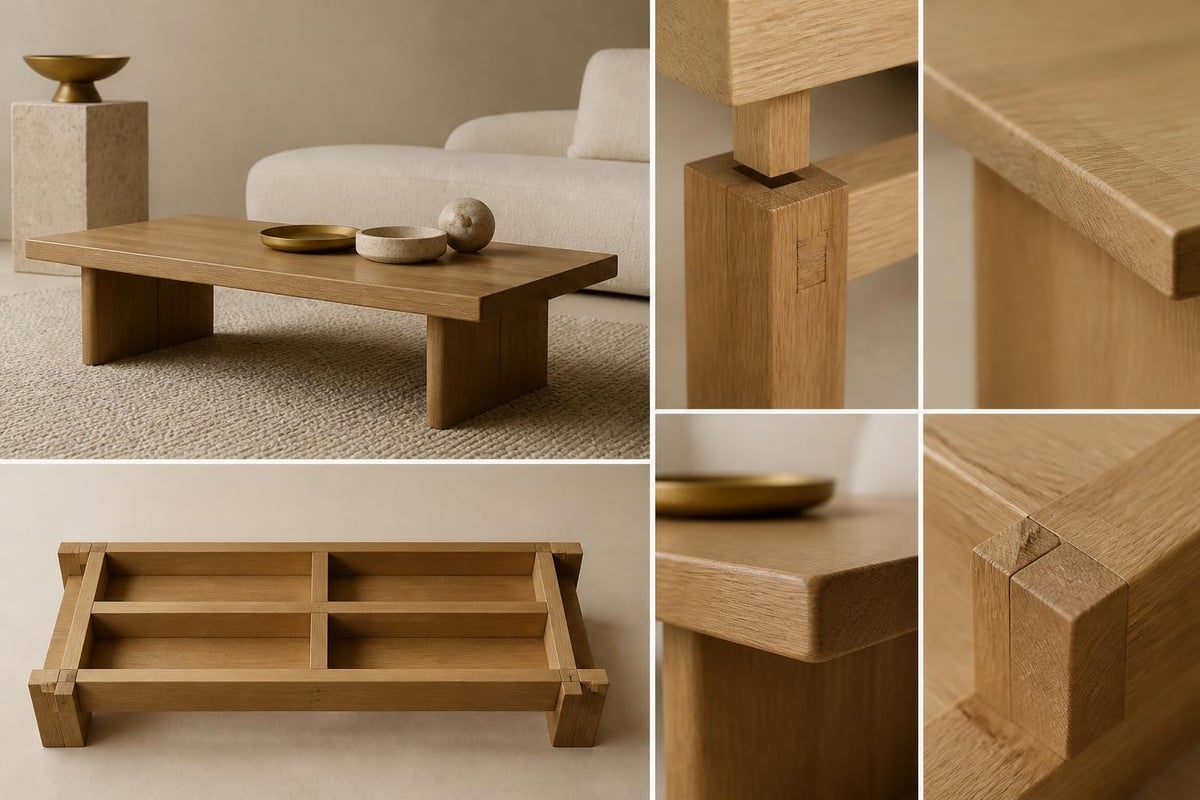
Solid timber frames joined with mortise-and-tenon or dowel joinery outlast those assembled with screws and brackets alone. Corner blocks reinforce the frame where legs meet aprons. Metal frames should show clean, ground welds without visible gaps or spatter.
Leg attachment methods vary. Threaded inserts allow legs to be removed for transport but can loosen over time. Welded or glued-and-dowelled joints remain rigid but make the table harder to move through narrow doorways. Check that legs sit flush to the floor without rocking. Adjustable levelling feet compensate for uneven surfaces.
Top Support and Edge Detail
Coffee table tops over 100cm long require central support to prevent sagging. Solid timber tops thicker than 25mm can span this distance unsupported if the grain runs lengthwise. Veneer tops need a ribbed or honeycomb substrate to maintain flatness.
Edge treatments affect durability and safety. Rounded or chamfered edges resist chipping and feel safer around children. Sharp mitred corners on stone or timber show refined craftsmanship but chip more easily. Live-edge timber brings organic character but requires careful sanding to avoid snags.
Storage and Functional Features
Many coffee tables in the contemporary range incorporate storage, shelving or lift mechanisms to expand utility beyond a simple surface.
Drawer and Shelf Integration
Single or dual drawers built into the table apron keep remotes, coasters and reading materials out of sight. Drawer boxes should run on smooth ball-bearing slides rather than wooden runners, which stick with humidity changes. Soft-close mechanisms prevent slamming and finger pinches.
Open shelves beneath the top hold magazines, books or decorative objects. Lower shelves suit items you access less frequently. Ensure shelf height clears the objects you plan to store. A 20cm gap handles most books and storage baskets.
| Feature | Function | Ideal For |
|---|---|---|
| Drawers | Concealed storage for remotes, chargers | Minimalist rooms, families with children |
| Open shelf | Display or casual storage for books, trays | Rooms with visual interest needs, easy access items |
| Lift-top | Raises to dining or work height | Compact living, dual-purpose spaces |
| Nesting tables | Separate when needed, stack when not | Flexible entertaining, small footprints |
Lift-Top and Adjustable Mechanisms
Lift-top coffee tables raise the surface toward you, creating a temporary dining or laptop work surface while seated. Gas-lift struts or spring-assisted hinges make the mechanism smooth. The lifted section should lock firmly at working height without sagging under load.
These tables suit compact apartments where a separate dining table or desk doesn't fit. Check clearance between the sofa and lifted top to ensure you can still sit comfortably.
Styling and Visual Integration
The coffee table contributes to room cohesion through material echo, colour temperature and styled surface composition.
Material and Finish Coordination
Repeat one material or finish element from the coffee table elsewhere in the room to create visual connection. If the table features black steel legs, echo that with black window frames, picture frames or lighting fixtures. A walnut timber top can link to walnut shelving, dining chairs or cabinetry.
Avoid matching every timber finish exactly. Contemporary schemes layer two or three timber tones for depth. A lighter ash coffee table can sit comfortably with darker walnut dining chairs if both share similar grain direction or finish sheen. For detailed guidance on coordinating finishes across contemporary furniture sets, consider how each piece anchors a different functional zone while contributing to overall material harmony.
Surface Styling and Practical Use
Style the coffee table surface with purpose, not decoration for its own sake. Group items in odd numbers (three or five objects) for visual interest. A tray corrals smaller items and defines a zone for remotes or coasters. A low bowl or sculptural object adds height variation without blocking sightlines.
Leave at least one-third of the surface clear for daily use. Stacked books, a single vase or a small plant provide visual anchors without crowding. Avoid tall centrepieces that interrupt conversation across the table. Architectural Digest's coffee table styling ideas demonstrate how to balance decorative composition with functional surface area.
Rotate accessories seasonally to refresh the room without major furniture changes. Winter might bring heavier objects in darker tones; summer shifts to lighter ceramics or glass.
Sustainable Material Choices
Sustainable sourcing, responsible manufacturing and material longevity increasingly shape the coffee tables range at contemporary furniture retailers.
Certification and Responsible Sourcing
Look for FSC-certified timber, which confirms the wood comes from responsibly managed forests. Certification marks appear on product labels or specification sheets. Sustainable furniture purchasing guidance from the University of Pennsylvania outlines key certifications including FSC, BIFMA Level and material health declarations.
Recycled metal frames, reclaimed timber and post-consumer composite materials reduce environmental impact. Some manufacturers incorporate upcycled content into tabletops or legs, giving waste streams new function. Duplex Studio's TP01 project showcases how upcycled materials integrate into refined furniture design.
Longevity and Repairability
The most sustainable coffee table is one that lasts decades and can be repaired when damaged. Solid timber tops can be sanded and refinished multiple times. Metal frames can be re-powder coated. Modular designs allow individual components to be replaced without discarding the entire piece.
Avoid tables assembled entirely with adhesive, which cannot be disassembled for repair. Screwed or bolted joinery allows technicians to replace damaged sections. Ask whether replacement parts remain available years after purchase. Furniture retailers committed to longevity stock spare components and offer repair services. For broader sustainability practices across the furniture industry, the European Furniture Group's 2024 sustainability report details material sourcing, manufacturing efficiency and end-of-life planning.
Selecting for Specific Room Types
Different living room configurations and use patterns call for different coffee table formats.
Open-Plan Living
Open-plan spaces benefit from coffee tables that anchor the seating zone without blocking sightlines to adjacent areas. Lower-profile tables maintain visual connection between kitchen, dining and living areas. Materials that echo kitchen benchtops or dining tables create cohesion across zones.
Rectangular tables oriented parallel to the longest sightline keep circulation flowing. Avoid oversized tables that intrude into the path between functional areas. Consider dual occasional tables instead of one large central piece, allowing flexibility to shift tables toward different seating groupings.
Compact Living Rooms
Small living rooms require coffee tables that deliver maximum function within a minimal footprint. Nesting tables tuck away when not needed. Round tables eliminate sharp corners that catch shins in tight spaces. Glass tops maintain visual openness.
Measure your room circulation before selecting table size. A 90cm round table occupies less perceived space than a 120cm rectangular table, even if floor area is similar. Vertical storage in drawers or lift-tops maximises utility without expanding the horizontal footprint.
Family Rooms with Children
Families with young children prioritise durable surfaces, rounded edges and easy cleaning. Stone composites and sealed timber resist spills and scratches better than porous natural materials. Rounded or bullnosed edges reduce injury risk during play.
Tables with lower shelves give children accessible storage for books or toys. Avoid glass tops in active family rooms; even tempered glass can chip or shatter under impact. Timber or composite surfaces handle rougher use and can be refinished if damaged.
Coffee Table Trends in 2026
Current design directions emphasise natural materials, sculptural bases and multi-functional formats.
Organic and Irregular Forms
Contemporary coffee tables increasingly feature organic shapes that contrast with rectilinear seating. Kidney-shaped tops, asymmetrical bases and free-edge timber bring softness to rooms dominated by straight lines. These forms suit curved sofas or conversation groupings where formal symmetry feels too rigid.
Sculptural pedestal bases replace traditional four-leg frames, creating visual interest and improving circulation around the table. Single-pedestal tables allow chairs or ottomans to slide underneath when extra seating is needed.
Mixed-Material Combinations
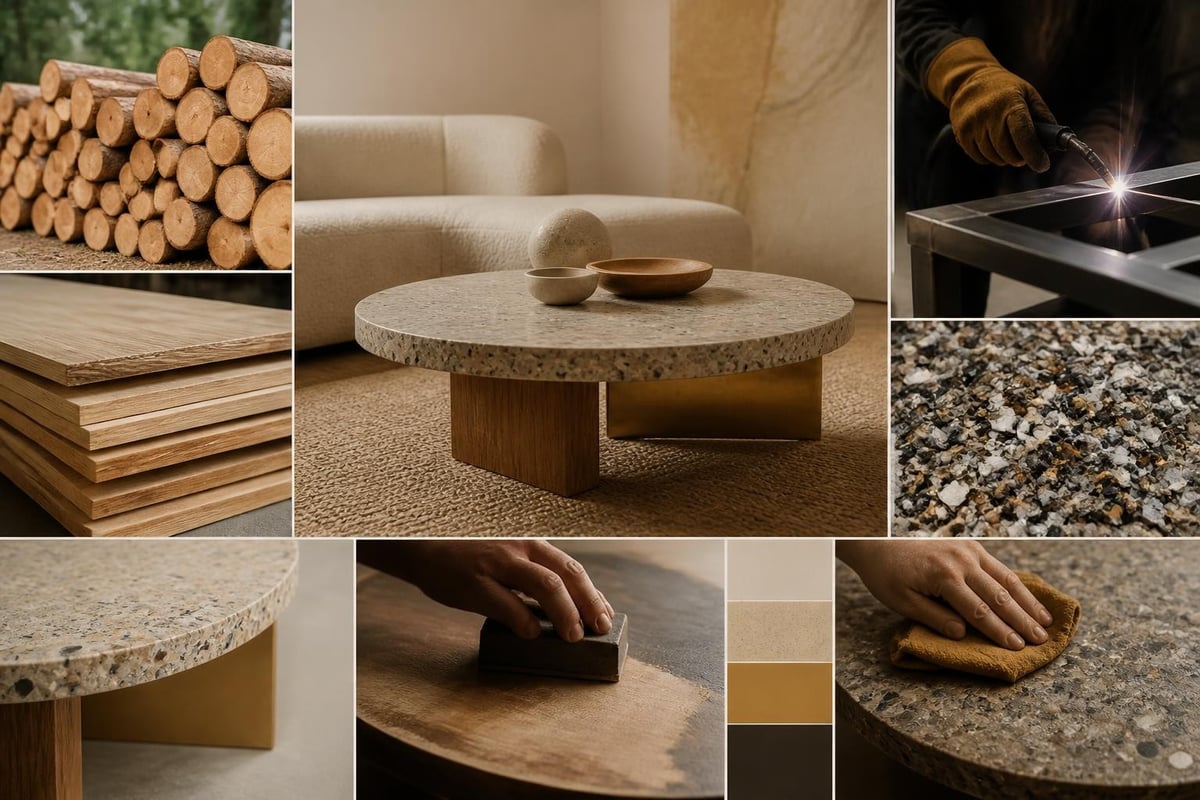
Combining two or three materials in a single table adds depth and connects to multiple room elements. A timber top on a metal frame bridges warm and cool tones. Stone inset into timber creates contrast panels. Glass shelves beneath solid tops add transparency without sacrificing the weight of the primary surface.
Ensure mixed materials share similar maintenance needs. Pairing unsealed natural stone with oiled timber doubles your upkeep schedule. Sealed surfaces throughout simplify cleaning.
Modular and Reconfigurable Designs
Modular coffee table sets include multiple smaller tables that nest, stack or cluster into different configurations. This flexibility suits rooms used for multiple activities: tables spread out during entertaining, then consolidate for daily use. Individual modules can move to different rooms as needed.
Reconfigurable tables with adjustable heights or extendable surfaces adapt to changing needs. A low coffee table raises to dining height for floor-cushion meals or laptop work. Extendable tops expand surface area when hosting, then retract to save space.
Trade and Design Professional Considerations
Interior designers, developers and trade clients approach the coffee tables range with project-specific requirements.
Specification and Lead Times
Trade projects require clear product specifications including exact dimensions, material composition, weight capacity and finish options. Request cut sheets with construction details, material certifications and care instructions for client documentation.
Lead times vary based on stock availability and customisation. Stock items typically deliver within two to four weeks. Custom finishes, non-standard dimensions or specific material requests extend lead times to eight to twelve weeks. Confirm delivery schedules before committing to project timelines.
Volume Orders and Consistency
Multi-unit developments need batch consistency in colour, grain and finish. Order all units from a single production run when possible. Request sample approval before full production to confirm finish quality matches expectations.
Some manufacturers hold custom finish samples for reorder, allowing staged delivery across project phases while maintaining consistency. Clarify whether your selected coffee table remains in production long-term or represents a limited collection.
Warranty and After-Sales Support
Commercial and residential projects require warranty coverage and accessible after-sales support. Standard furniture warranties cover manufacturing defects for one to five years. Clarify what constitutes normal wear versus defect, particularly for timber movement, fabric wear and mechanism function.
Establish contact protocols for damage claims, replacement parts and repair services. Retailers with in-house service teams respond faster than those relying on offshore manufacturers for parts. For warranty details specific to Bauhaus, visit the warranty page.
Care and Maintenance Across Materials
Proper care extends coffee table lifespan and preserves appearance under daily use.
Timber Care Protocols
Dust solid timber and veneer surfaces weekly with a soft, dry cloth. Apply furniture oil or wax every three to six months to nourish the finish and prevent drying. Use coasters under all glasses to prevent water rings. Wipe spills immediately with a damp cloth, then dry thoroughly.
Avoid silicone-based polishes, which build up over time and attract dust. Never place hot items directly on timber; heat causes finish discolouration and can raise grain fibres. For comprehensive guidance across material types, consult the furniture care guide which details specific protocols for timber, leather, fabric and metal finishes.
Stone and Composite Maintenance
Sealed stone and composite surfaces wipe clean with a damp microfibre cloth. Avoid abrasive cleaners or scouring pads, which scratch the surface. For stubborn marks, use a pH-neutral cleaner designed for stone surfaces.
Reseal natural stone annually to maintain stain resistance. Composite surfaces with factory sealing do not require re-treatment. Check with the manufacturer whether your specific material is sealed or requires ongoing maintenance.
Metal and Glass Upkeep
Powder-coated metal frames need only occasional wiping with a damp cloth. Avoid harsh chemicals that degrade the coating. Touch up chips promptly to prevent rust on steel frames.
Glass tops show every fingerprint and smudge. Wipe daily with glass cleaner and a microfibre cloth for streak-free clarity. Inspect edges regularly for chips. Small edge chips can spread; address them with professional glass repair before they enlarge.
Historical Context and Typology
Understanding the coffee table's evolution clarifies its current design diversity.
The modern coffee table emerged in the late nineteenth century as tea tables lowered to accommodate the shift from upright Victorian seating to more relaxed postures. Early examples stood taller than today's standard, reflecting higher sofa seat heights of the era. The term "coffee table" entered common use in the early twentieth century as informal living room arrangements replaced formal parlours.
Post-war modernism championed low-profile tables in new materials: laminate, moulded plywood, tubular steel and glass. These lighter, mobile tables suited smaller homes and open-plan layouts. Scandinavian designers refined proportions and joinery, establishing templates still evident in the contemporary coffee tables range. For deeper historical context on occasional furniture development, the Library of Congress furniture design archives trace typological shifts through documented collections.
Contemporary designs continue this evolution, integrating digital-age requirements such as cable management, device charging and screen-free zones while maintaining the fundamental role of anchoring relaxed seating.
The coffee tables range in contemporary furniture balances material performance, proportional discipline and functional versatility to serve modern living rooms. When you're ready to explore pieces that combine refined construction with everyday durability, visit the team at Bauhaus in our Auckland showrooms. We'll help you find the coffee table that suits your space, your materials and how you actually use your living room.
Disclaimer: AI-supported images may differ from products on website.