Auckland's furniture market offers everything from fast flat-pack to investment pieces built to last decades. For homeowners, developers, and designers, finding the right furniture store Auckland can navigate means balancing quality, design, and practical service. The distinction between temporary and permanent furnishings comes down to construction, materials, and how a piece performs over years of daily use. This guide examines what matters when choosing furniture in Auckland, from understanding frame construction to working with showroom teams who know their products inside out.
Understanding Construction Standards in Contemporary Furniture
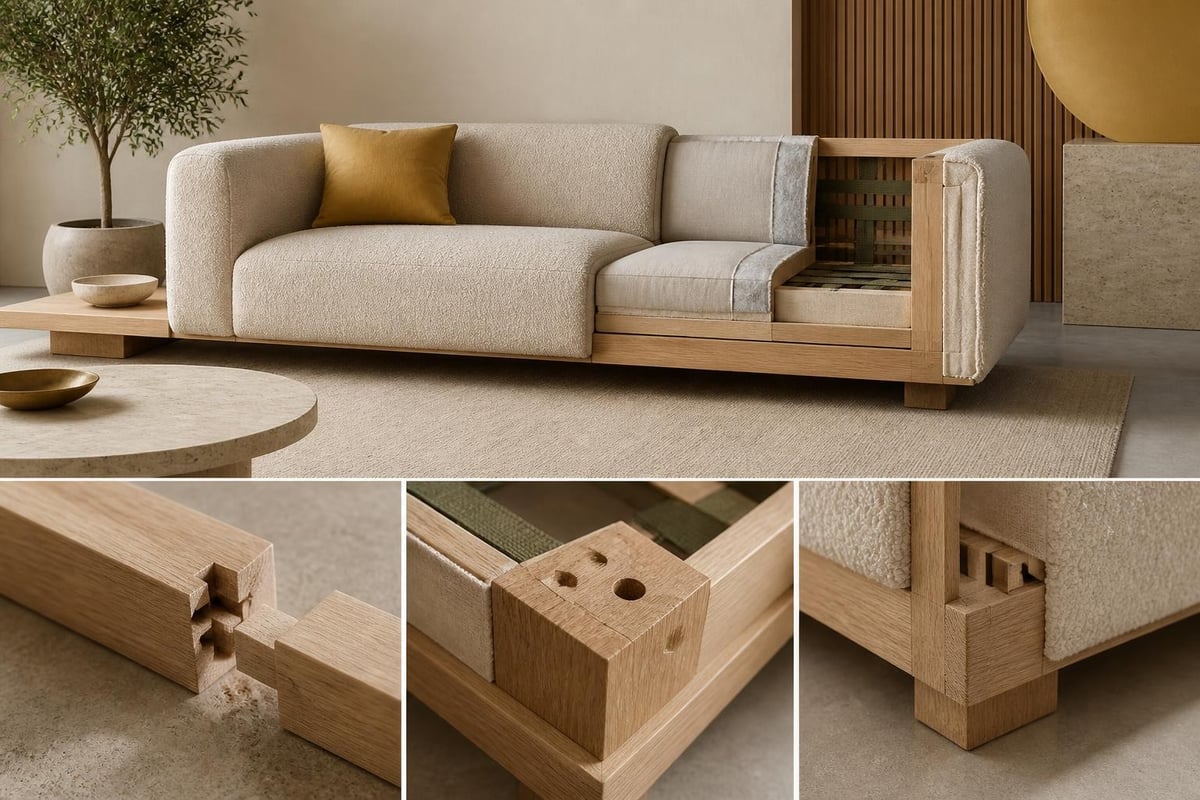
Quality furniture begins with invisible structure. A sofa's frame, webbing, and foam density determine whether it holds shape through five years or fifteen. Solid hardwood frames with mortise-and-tenon joinery withstand stress better than stapled softwood; no-sag spring systems maintain support where cheaper webbing sags within months. Mid-to-high end furniture stores in Auckland stock pieces where these details are standard, not optional.
Frame Materials and Joinery Methods
Birch, beech, and engineered hardwood form the frame foundation for quality upholstered furniture. Joints matter as much as timber choice:
- Mortise-and-tenon joints lock frame corners together through precise fitting, stronger than screws alone
- Corner blocks braced and glued reinforce stress points where arms meet the base
- Cross-bracing prevents frame racking over time, essential for L-shape and modular configurations
Cheaper frames use staples and particle board, which loosen under regular sitting stress. A reputable furniture store Auckland retailers operate will explain frame construction during showroom visits, not hide it behind upholstery.
Cushion Systems: Foam Density and Spring Support
Seat comfort depends on layered systems, not single foam slabs. High-resilient foam over no-sag springs gives initial cushioning with long-term bounce-back. Feather-down tops add softness but require plumping; full foam needs less maintenance and holds shape better for high-use family sofas. Density ratings (measured in kilograms per cubic metre) indicate durability: 35kg/m³ and above for seat cushions, 25-30kg/m³ for backrests.
| Cushion Type | Composition | Maintenance | Best For |
|---|---|---|---|
| Foam-only | High-density foam layers | Minimal, vacuum regularly | Family use, low upkeep |
| Foam + feather wrap | Foam core, feather-down top | Weekly plumping | Guest seating, aesthetic priority |
| Inner-coil foam | Foam with pocket springs | Minimal, rotate occasionally | Daily lounging, support preference |
The Bowie L-Shape Sofa uses no-sag springs with high-density foam and inner-coil cushions, combining immediate comfort with structural support suited to open-plan living where the sofa anchors the room. This layered approach balances softness and longevity without constant cushion rotation.
Selecting Upholstery Fabrics and Leathers
Fabric choice affects maintenance as much as appearance. Performance fabrics engineered for cleanability suit family homes; natural linens and wools bring texture but stain more readily. Leather develops patina over time, some view it as character, others as wear. Understanding fabric specifications before purchase prevents mismatched expectations.
Fabric Performance Ratings
Martindale rub tests measure abrasion resistance, indicating how fabric withstands friction. Ratings above 25,000 rubs suit residential use; 40,000+ handles commercial-grade wear. Stain treatments (Crypton, Teflon) repel spills but don't make fabrics indestructible. Check cleaning codes:
- W: Water-based cleaning, suits most synthetic fabrics
- S: Solvent-based cleaning, required for some natural fibres
- WS: Either method works, offers flexibility
- X: Vacuum only, typically delicate weaves
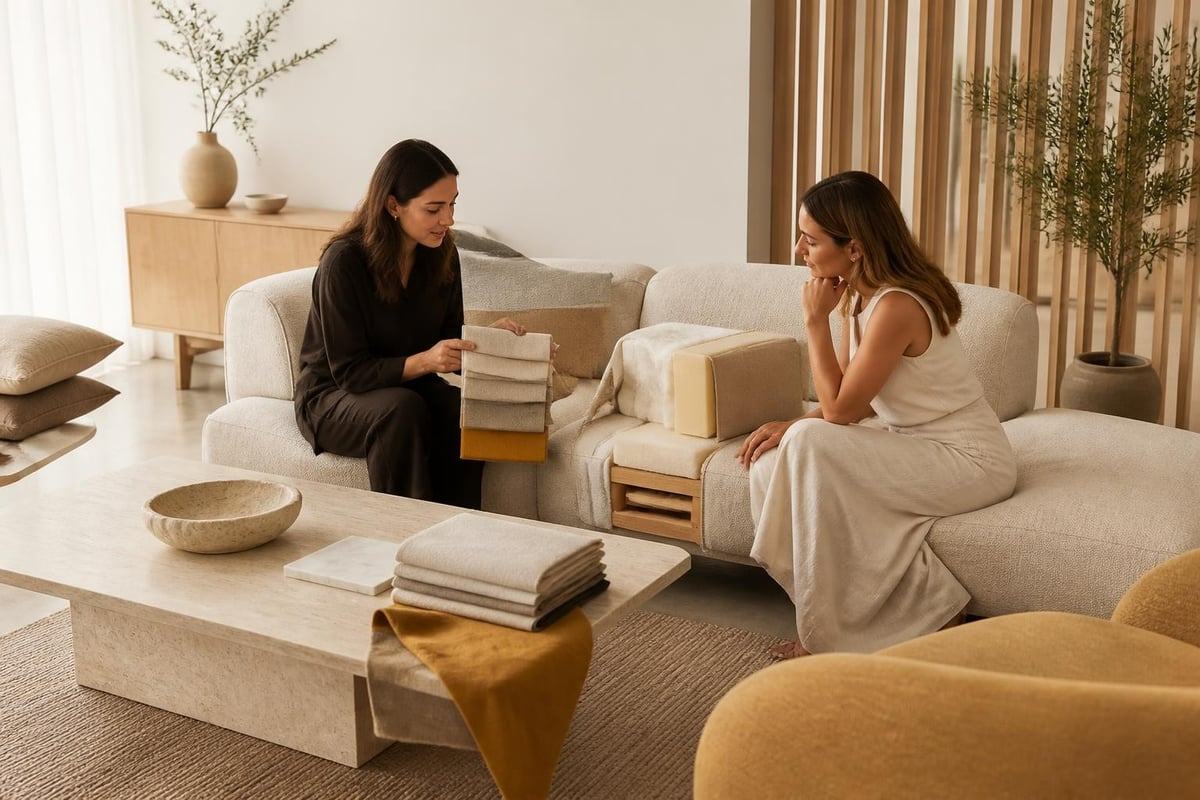
A furniture store Auckland showrooms maintain should stock fabric samples with full specifications, not just swatches. Talk to the team about household use: pets, children, sunlight exposure, and cleaning preferences all influence the right choice.
Leather Grades and Finish Types
Full-grain leather retains the hide's natural surface, developing patina as oils from skin contact darken high-touch areas. Top-grain leather is lightly sanded and finished, more uniform in appearance and easier to clean. Eco leather (bonded or reconstituted) offers consistency and lower cost but won't age like full hide.
Aniline-dyed leathers absorb colour into the hide rather than coating the surface, resulting in soft hand-feel and visible natural grain. They mark more easily than pigmented leathers, which carry protective topcoats. Neither is superior; it depends on whether you want character or consistency.
Navigating Auckland Showrooms and Delivery Logistics
Auckland furniture stores range from nationwide chains to family-owned specialists. Showroom experience varies significantly. Chains offer volume pricing and broad ranges; independents stock curated collections with deeper product knowledge. Delivery timelines depend on stock availability and whether pieces are locally held or imported to order.
What to Ask During Showroom Visits
Specifications matter more than styling photos. Request frame construction details, cushion composition, and warranty terms. A quality furniture store Auckland operates transparently will show frame samples, fabric spec sheets, and explain lead times honestly.
- Frame material and joinery method (hardwood, glued and dowelled, or stapled softwood?)
- Suspension system (no-sag springs, elastic webbing, or unsupported foam?)
- Foam density and type (high-resilient, polyurethane, or budget-grade chip foam?)
- Fabric Martindale rating and cleaning code
- Warranty coverage (frame, cushions, mechanisms) and duration
- Delivery and assembly inclusions (white-glove, threshold, or flat-pack?)
Ask about fabric protection treatments and whether extra covers are available to order. Some manufacturers offer slipcover options; others are fixed upholstery only.
Budgeting for Quality: Cost Versus Value
Auckland furniture pricing spans $500 sofas to $15,000 modular systems. Cheap doesn't mean affordable if replacement comes in three years. Budget furniture uses particleboard frames, low-density foam, and stapled joints that fail under regular use. Mid-range pieces (around $3,000-$6,000 for a three-seater sofa) typically offer solid frames, decent foam, and moderate fabric choices. High-end furniture ($7,000+) delivers hardwood frames, premium cushion systems, designer fabrics, and extended warranties.
Calculating Cost Per Year of Use
Divide purchase price by expected lifespan for annual cost. A $1,200 sofa lasting four years costs $300 annually. A $4,800 sofa lasting sixteen years costs $300 annually. The upfront difference is significant; the long-term cost identical. Factor in disposal and replacement hassle: disposing of old furniture in Auckland involves booking inorganic collections, hiring skip bins, or paying transfer station fees.
Quality furniture reduces replacement cycles, transport emissions, and landfill burden. The Consumer Guarantees Act protects New Zealand buyers, requiring goods to be durable for their price point and advertised purpose. If a $5,000 sofa fails after two years, you have legal recourse. Document construction specs and keep receipts.
Matching Furniture to Auckland Homes and Climates
Auckland's mild, humid climate affects timber furniture and leather upholstery. Hardwoods handle moisture swings better than veneered particleboard, which can delaminate in poorly ventilated homes. Leather may feel sticky in humid summer months; performance fabrics breathe better. Sun exposure through large north-facing windows fades fabrics over time. UV-resistant treatments slow this process but don't stop it entirely.
Space Planning for Auckland Apartments and Townhouses
Auckland's density push means apartments and terraced housing with compact living areas. Furniture proportions matter. A deep sofa (110cm+) suits spacious lounges but overwhelms small apartments. Modular L-shapes configure to room shape and can separate when you move. Check door widths and stairwell dimensions before ordering: many quality sofas arrive fully assembled, not flat-packed.
Measure the space, then subtract clearances:
- Note room length, width, and ceiling height
- Subtract 80cm walking clearance around furniture perimeters
- Confirm sofa depth suits the wall it backs onto (avoid protruding into traffic paths)
- Check door and hallway widths (standard internal doors are 80cm; measure yours)
- Measure stairwell turns and landings if delivering to upper floors
A reputable furniture store Auckland teams will confirm delivery access during the order process, not on delivery day when it's too late.
Dining Furniture: Tables, Chairs, and Everyday Durability
Dining tables endure spills, hot dishes, homework, and laptop work. Solid timber develops character; laminate resists stains but can chip at edges. StoneSkin and sintered stone surfaces combine durability with natural depth, withstanding heat and moisture better than timber without losing warmth. Pedestal bases free up legroom, allowing chairs to slide in and out without hitting table legs at every seat.
Table Sizing for Auckland Households
Allow 60cm per person along the table length, 90cm width for place settings facing each other with serving dishes in the centre. A 1.8m table seats six comfortably; 2.4m fits eight. Round tables suit square rooms but lose efficiency in rectangular spaces. Extension options add flexibility for hosting without permanent floor-space commitment.
| Table Size | Standard Seating | With Extension | Suits Room Size |
|---|---|---|---|
| 1.6m | 4-6 | n/a | Under 12m² |
| 1.8m | 6 | 8 | 12-16m² |
| 2.4m | 8 | 10 | 16m²+ |
Bauhaus stocks dining furniture that balances visual weight with structural support, from pedestal tables to solid timber chairs. For further reading on table selection and sizing, see the Bauhaus guide to dining tables in New Zealand homes.
Chair Construction and Comfort
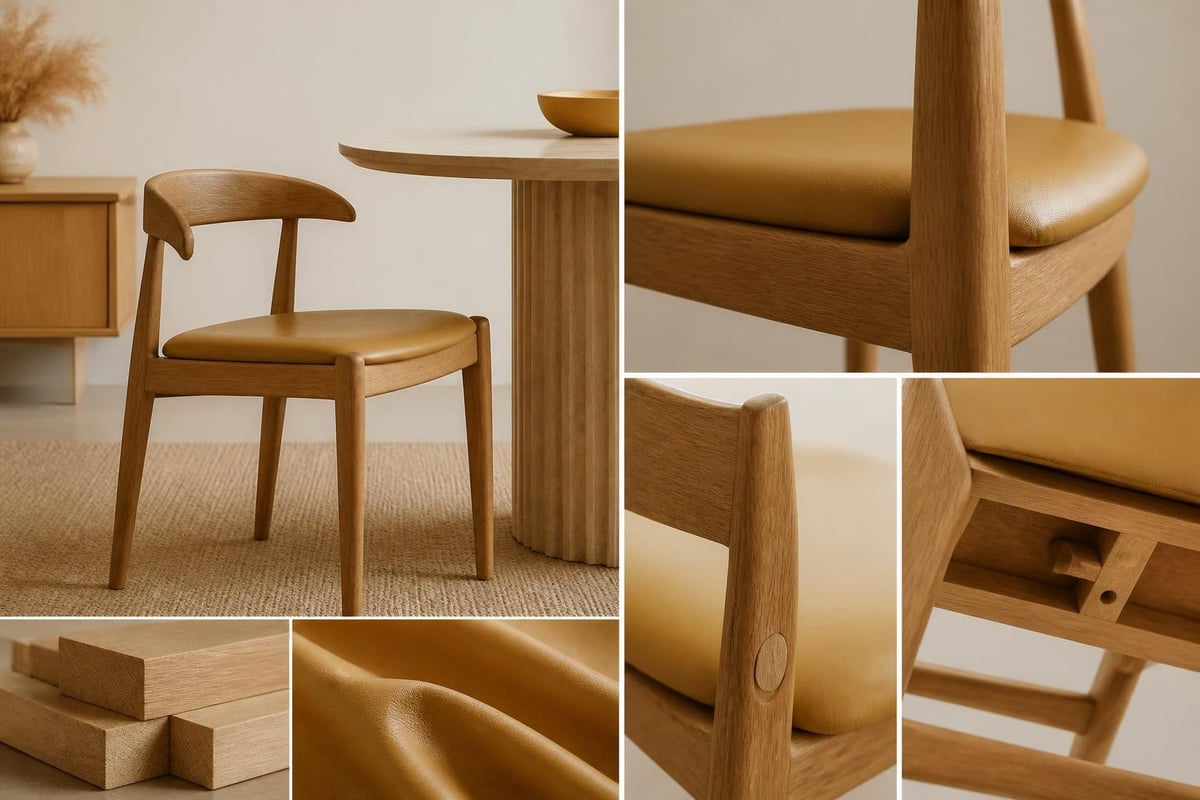
Dining chairs face different stress than lounge seating. They're lifted, dragged, and tipped back during meals. Solid timber or steel frames outlast hollow tube legs. Cushioned seats add comfort for long table sessions; avoid thin foam pads over hard plywood, which compress flat within a year. Eco leather wipes clean, suited to everyday dining where fabric marks from food and drink.
Occasional Furniture: Lounge Chairs, Bar Stools, and Side Tables
Lounge chairs and bar stools fill specific roles. A reading chair needs depth and back support; a decorative accent chair can prioritise form. Bar stools at kitchen islands handle quick breakfasts and casual meals, requiring wipe-clean seats and foot rails for genuine comfort. Side tables hold drinks, books, and remotes within arm's reach without cluttering floor space.
Swivel Chairs and Functional Flexibility
Swivel bases turn the chair to face different directions without rearranging the room. Useful for living areas where you want to shift between conversation, television, and window views. Concealed 360-degree bases keep the silhouette clean while adding mechanical function. Swivel action should be smooth and silent, not wobbly or grinding. Test it in the showroom before buying.
Bar Stool Height and Proportions
Standard kitchen island height is 90cm; bar height is 105cm. Seat height should sit 25-30cm below the counter for comfortable legroom. A 65cm seat height suits 90-95cm islands. Backrests and foot rails transform perching into sitting, critical for longer sessions at the island. Wipe-clean upholstery (eco leather, vinyl, or coated fabric) suits kitchen use where spills happen.
Working with Interior Designers and Developers
Auckland's residential development boom drives demand for furniture packages. Developers furnishing show homes and apartment complexes need consistent quality, reliable lead times, and commercial pricing. Interior designers source pieces that execute a vision while meeting client budgets and timelines. Both groups value furniture stores that understand specifications, deliver on schedule, and support projects with clear communication.
Specifying Furniture for Multi-Unit Projects
Volume orders require coordination. Confirm fabric and finish consistency across batches; dye lots vary, and mid-project substitutions disrupt aesthetic cohesion. Request lead times in writing and build in buffer weeks for freight delays. Showroom staff experienced with trade clients streamline this process, offering fabric continuity guarantees and phased delivery schedules.
According to Stats NZ, furniture and manufacturing output reflects broader economic activity, with regional demand in Auckland tracking construction and residential development cycles. Understanding market conditions helps developers and designers plan purchasing timelines and anticipate supplier capacity.
Sustainability and Local Manufacturing Considerations
New Zealand furniture manufacturing has contracted over recent decades, with much product now imported. Some furniture store Auckland retailers still work with local makers, offering shorter lead times, customisation flexibility, and lower freight emissions. The Furniture & Timber Manufacturers Association tracks industry conditions, noting challenges in material costs and skilled labour availability facing New Zealand manufacturers.
Evaluating Environmental Claims
"Sustainable" furniture ranges from FSC-certified timber to greenwashed marketing. Look for specifics: certified wood sources, low-VOC adhesives, recyclable foam, and transparent supply chains. Local manufacturing reduces shipping distances but doesn't guarantee sustainability if materials are poorly sourced. Ask questions, request certifications, and assess claims critically.
Durability is the most sustainable choice. A sofa lasting twenty years beats a cheaper replacement cycle every five, regardless of origin. Quality construction, repairable components, and timeless design reduce waste more effectively than recycled content in a piece that fails quickly.
Auckland Market Dynamics and Shopping Timing
Auckland's furniture market follows seasonal patterns. January sales clear stock post-Christmas; mid-year promotions target renovators ahead of spring. Lead times vary by origin: local stock ships within weeks; European imports can take four months. The Auckland Economic Monitor from AucklandNZ tracks retail and construction activity, offering context for demand cycles and supplier capacity.
Ordering Lead Times and Stock Availability
In-stock furniture delivers quickly but limits choice to current floor models and fabrics. Made-to-order pieces expand options (hundreds of fabrics, custom dimensions, specific leg finishes) but require patience. Typical lead times:
- In-stock Auckland: 1-2 weeks delivery
- Made-to-order New Zealand: 6-10 weeks
- Imported Europe/Asia: 12-20 weeks
Freight delays, customs clearance, and fabric availability extend timelines. Order early for time-sensitive projects; add 20% buffer to quoted lead times for safety.
The Role of Showrooms in the Digital Age
Online shopping offers convenience; showrooms offer certainty. Sitting in a sofa reveals firmness, seat depth, and back support that photos can't convey. Fabric texture, colour accuracy, and scale become clear in person. Auckland furniture stores with permanent showrooms invest in customer experience, employing staff who understand construction and can guide choices based on use, space, and budget.
Testing Furniture Before Buying
Spend five minutes sitting, not thirty seconds. Lean back, cross your legs, mimic reading or watching television. Does the seat depth suit your leg length? Can you rise easily, or do you sink too deeply? Are armrests the right height for resting elbows comfortably? These details matter more than appearance.
Check joinery, feel fabric hand, and ask about warranty terms. A showroom visit to a quality furniture store Auckland maintains provides information online listings can't replicate.
Warranty, Aftercare, and Maintaining Your Investment
Furniture warranties cover defects, not wear. Frames typically carry longer warranties (10-15 years) than fabrics (2-5 years). Understand what's covered: structural failure versus cushion softening, fabric fading versus seam splitting. Regular maintenance extends lifespan: vacuum upholstery weekly, rotate cushions monthly, tighten screws annually.
Fabric and Leather Care Protocols
Follow manufacturer cleaning codes strictly. Water on solvent-only fabrics causes permanent staining; harsh chemicals damage natural fibres. For leather, wipe spills immediately and condition annually with appropriate products. Avoid placing furniture in direct sunlight or near heat sources, which dry and crack leather over time.
Professional cleaning every few years refreshes fabric and removes embedded dirt that vacuuming misses. Many furniture stores offer aftercare services or recommend trusted specialists. Keep care instructions and warranty documentation together in a safe place.
If you're replacing older furniture, proper disposal ensures responsible waste management. Auckland council services and private operators offer collection and recycling; the Collection for Auckland guide outlines practical options for couch disposal, from inorganic collections to transfer station drop-off.
Design Trends in Auckland Homes: 2026 Perspectives
Auckland interiors reflect New Zealand's design-aware culture while responding to local conditions. Natural materials, neutral palettes, and functional layouts dominate. The 2025 New Zealand Interior Awards highlighted projects prioritising craftsmanship and longevity over fleeting trends, a philosophy mirrored in quality furniture selection.
Material and Colour Preferences
Warm timbers (oak, walnut, ash) anchor rooms while softening contemporary minimalism. Neutral upholstery (greys, taupes, off-whites) provides backdrop flexibility, allowing artwork and accessories to shift over time. Pops of colour through occasional chairs and homewares add personality without committing to a hue that may feel dated in three years.
Texture brings depth: linen fabrics, brushed metals, stone surfaces, and matte finishes create visual interest without pattern overload. Auckland's light-filled homes benefit from materials that age gracefully, developing patina rather than looking worn.
Finding the right furniture store Auckland offers means prioritising construction quality, transparent service, and pieces suited to how you actually live. Whether you're furnishing a new build, refreshing a single room, or working on a larger project, informed choices deliver better outcomes than impulse purchases. At Bauhaus, we focus on mid-to-high end contemporary furniture built to last, with two Auckland showrooms and a team who know materials, construction, and what works in New Zealand homes. Visit us to see the difference quality makes.
Disclaimer: AI-supported images may differ from products on website.