Dining chairs anchor the table. They hold guests through long conversations, support everyday meals, and carry wear from children, spills, and movement. Choosing dining chairs NZ buyers rely on means looking past surface finish to frame construction, seat height, material durability, and how they pair with your table. With New Zealand's mix of contemporary homes, open-plan living, and climate variation, understanding what holds up matters more than chasing a current look.
Frame Materials and Construction Methods
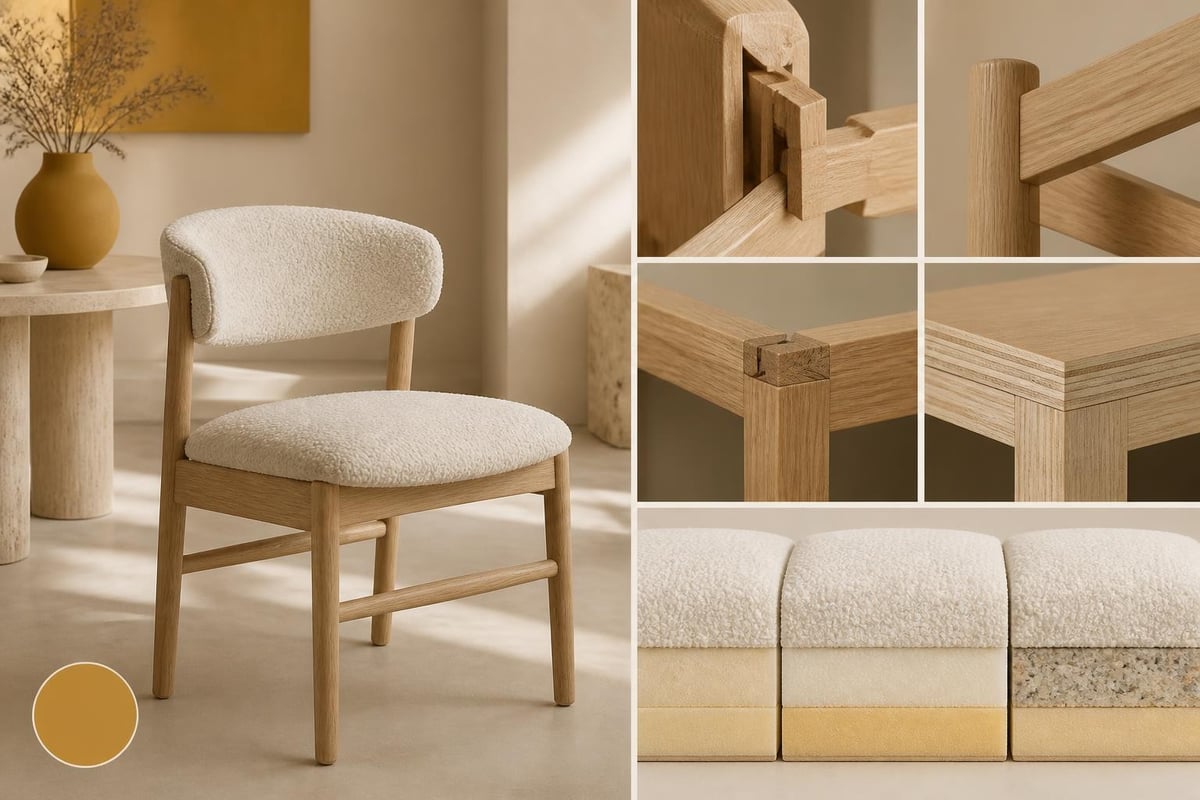
The frame determines how long a dining chair lasts. Solid timber frames, commonly beech or oak, deliver strength and rigidity without flex. Joints should be mortise-and-tenon or dowelled, glued and screwed. Cheaper frames use corner blocks and staples, which loosen over time.
Metal frames in powder-coated steel or aluminium offer slimmer profiles and clean lines suited to modern interiors. Steel frames handle weight well but need proper welds at stress points. Look for continuous welds, not spot welds. Aluminium keeps weight down but lacks the heft some buyers prefer.
Engineered timber, plywood or laminated hardwood, appears in mid-range chairs. These materials resist warping better than solid timber in humid coastal areas. The New Zealand Government Building Performance guide recommends considering internal humidity and material stability when selecting timber furniture.
Upholstered vs. Non-Upholstered Seats
Upholstered seats add comfort for extended sitting. Foam density matters, high-resilience foam (HR40 or above) holds shape longer than standard polyurethane. A thin fabric or leather cover over low-density foam compresses within months, leaving a hard base.
Non-upholstered seats in solid timber, plywood, or moulded plastic suit high-traffic homes. They wipe clean, resist spills, and don't harbour dust mites. Contoured seats in moulded plywood or polypropylene distribute weight better than flat timber slats.
When comparing upholstered dining chairs, check the deck beneath the cushion. A webbed or sprung platform extends cushion life. Plywood decks with foam glued directly compress faster and show dips where people sit repeatedly.
Seat Height, Depth and Table Pairing
Standard dining tables sit 72–76 cm high. Chair seat height should land 25–30 cm below the table surface for leg clearance and comfortable arm positioning. Measure from floor to seat top, not to the cushion peak if the foam compresses.
Taller tables, 90 cm bar-height or 105 cm counter-height, need bar stools or counter chairs. Seat heights of 65 cm suit 90 cm tables, 75 cm suits 105 cm surfaces. He Tohu Hauora | Health New Zealand provides guidance on choosing chairs with correct seat dimensions to reduce falls and support posture, particularly relevant for multi-generational households.
Seat depth affects posture. Shallow seats (38–42 cm) suit upright dining. Deeper seats (45 cm and above) encourage leaning back but reduce thigh support for shorter users. Match seat depth to your household's average height or opt for mid-depth (42–44 cm) as a compromise.
| Table Height | Seat Height | Clearance | Use Case |
|---|---|---|---|
| 72–76 cm | 45–48 cm | 25–30 cm | Standard dining tables |
| 90 cm | 63–68 cm | 22–27 cm | Bar-height tables, kitchen islands |
| 105 cm | 75–80 cm | 25–30 cm | High counter tables, standing benches |
Armrests add 15–20 cm to chair width and must clear the table apron. Measure apron-to-floor height before choosing armed chairs. Armless chairs slide under fully, save floor space, and suit narrow dining areas.
Material Durability for New Zealand Conditions
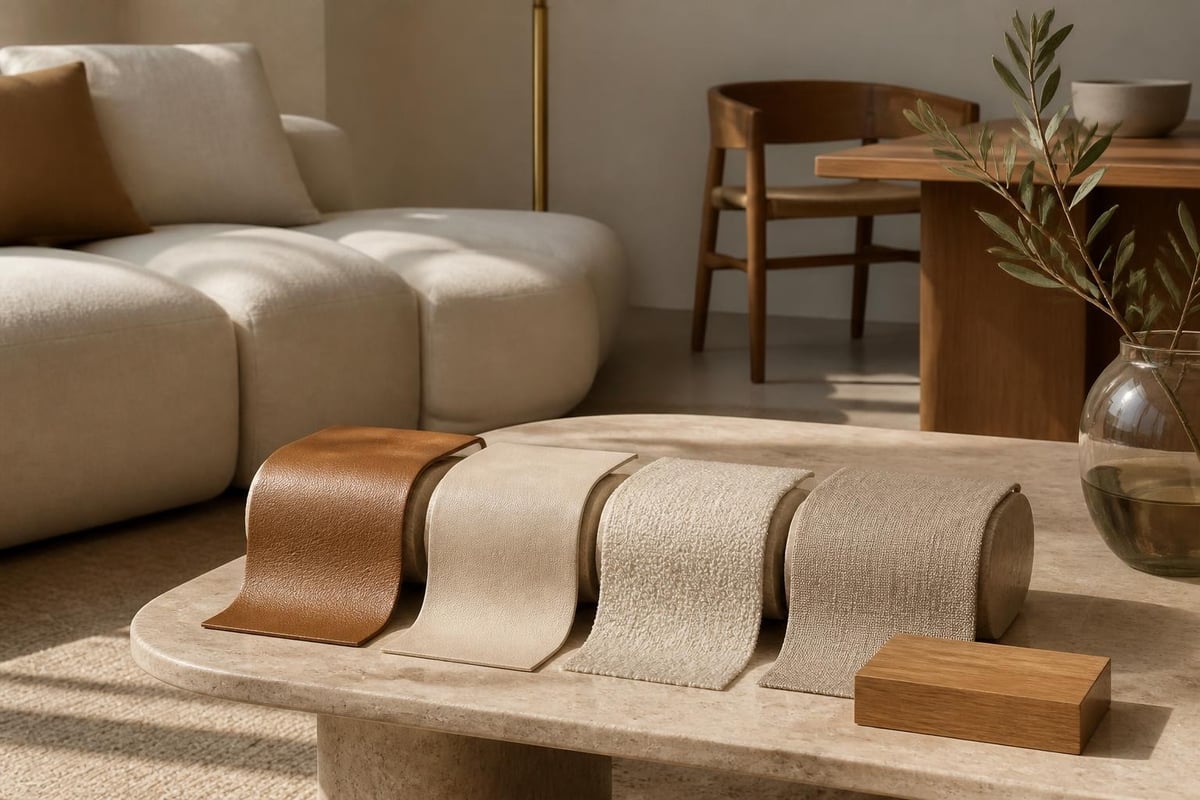
Leather and eco-leather seats wipe clean but need conditioning in dry climates and can crack near heat pumps or underfloor heating. Full-grain leather develops patina, top-grain stays uniform. Eco-leather (bonded or PU-coated) costs less but peels after three to five years of daily use.
Fabric seats in performance weave, polyester blends or treated cotton, resist stains better than untreated natural fibres. Check the rub count (Martindale rating). Domestic dining chairs should exceed 25,000 rubs, commercial settings need 40,000 or higher. Low rub-count fabrics pill and thin at contact points.
Timber finishes matter in humid regions. Lacquered timber resists moisture but shows scratches. Oiled finishes penetrate the grain, can be spot-repaired, but need annual re-oiling. Avoid untreated timber near kitchens or exterior doors where humidity fluctuates.
The Environmental Choice Aotearoa furniture specification sets official New Zealand ecolabel criteria for sustainably sourced furniture components, including timber, foam and textile options worth reviewing if environmental impact guides your purchase.
Cushion and Backrest Support
Dining chairs used for more than meals, homework, laptop work, or evening conversation, need lumbar support. Curved backrests or mid-back bolsters prevent slouching during long sits. Flat vertical backs suit quick dining but tire the lower back after 30 minutes.
Cushion construction varies. Foam-only seats feel firmer and hold shape. Feather-wrapped foam adds softness but needs plumping. Pocket-coil cushions, uncommon in dining chairs but present in premium models, distribute weight evenly and bounce back without maintenance.
Backrest fill follows the same logic. Foam backrests stay put. Feather or fibre fill in loose covers needs occasional shaking to prevent sagging at shoulder height.
Aesthetic Consistency and Table Matching
Matching chair and table finishes creates visual calm. Timber chairs pair naturally with timber tables when the species or stain aligns. Mixing timber tones works if the undertone, warm oak with walnut, cool ash with beech, stays consistent.
Metal-framed chairs suit glass, stone, or laminate tables. Black steel legs match StoneSkin or powder-coated table bases. Chrome or brushed nickel frames look dated unless your interior skews industrial.
Upholstered chairs soften hard-surface tables. Pairing fabric seats with a timber or stone table adds texture contrast without clashing. Keep upholstery neutral (grey, taupe, charcoal) if your table has strong grain or veining.
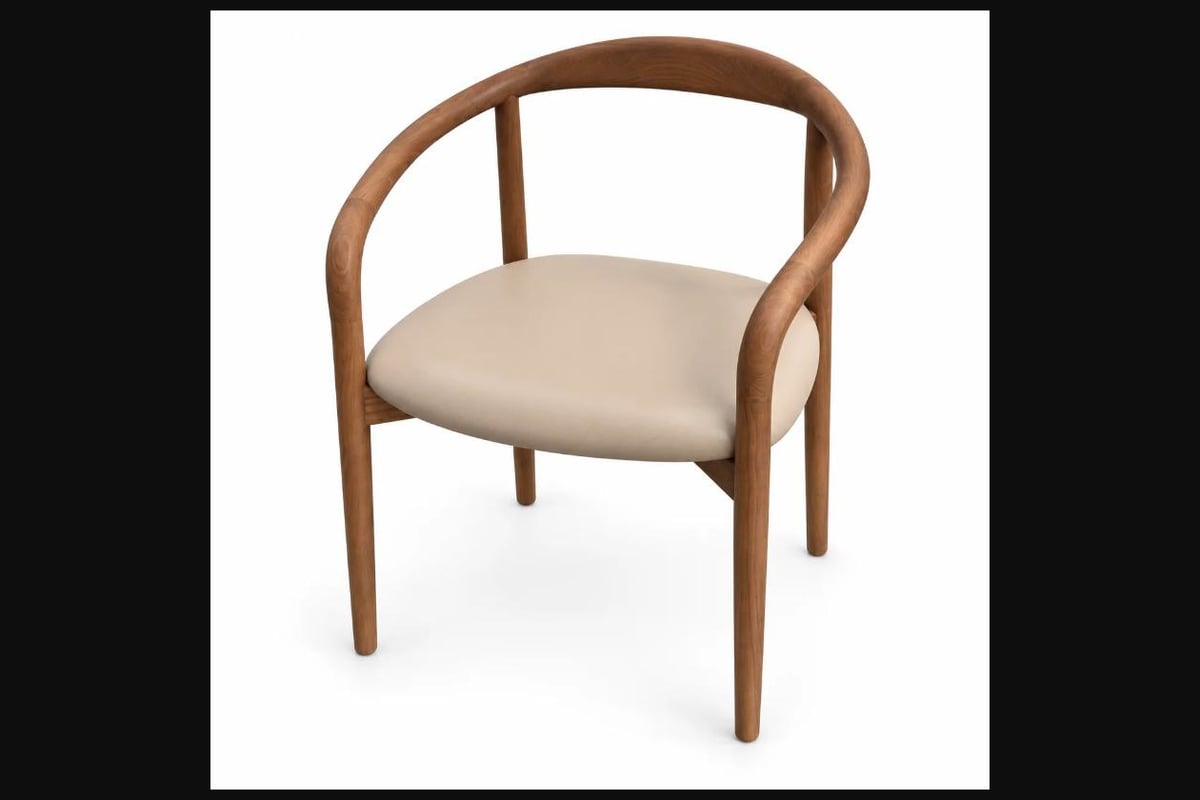
At Bauhaus, we've seen the Miso Chair in coffee bean ash pair well with timber and microskin dining tables, including options like the Nova Table, where the eco-leather seat wipes clean and the slender solid timber frame keeps the silhouette light without sacrificing support for long table sessions.
Chair Quantity and Flexibility
Standard tables seat one person per 60 cm of length. A 180 cm table fits six, a 240 cm table seats eight comfortably. Bench seating on one side increases capacity but limits movement for interior seats.
Stacking or folding dining chairs suit occasional hosting. Look for metal stacking mechanisms or fold-flat frames if storage space limits permanent seating. Non-stacking chairs need 50–60 cm per chair when stored along a wall.
Buying extra chairs in matching fabric or finish ensures replacements when one breaks or when you expand the table. Many New Zealand retailers, including Bauhaus, stock dining chairs individually, not just in sets, allowing staged purchases.
Safety, Compliance and Consumer Protections
Upholstered dining chairs sold in New Zealand must meet fire-safety requirements. The Product Safety Policy Statement on foam-filled furniture discusses regulatory context and industry guidance for upholstered furniture, relevant when comparing imported vs. locally assembled chairs.
Check leg stability. Four-legged chairs should not rock on flat floors. Splayed legs increase the footprint but reduce tipping risk, important in homes with young children. Metal or timber stretchers between legs add rigidity and a footrest.
The Consumer Guarantees Act protects New Zealand buyers. Chairs must be fit for purpose, match descriptions, and last a reasonable time given the price. High-end dining chairs NZ customers invest in should deliver five to ten years of daily use without structural failure.
Warranties vary. Structural frames often carry five-year coverage, upholstery and finish one to two years. Confirm what the warranty excludes, fading, staining, and normal wear usually aren't covered.
Iconic Designs and Contemporary Adaptations
Certain dining chair silhouettes recur across decades. The Windsor chair's spindle back, the Parsons chair's upholstered cube, and the Eames moulded shell remain reference points. Architectural Digest's feature on iconic dining chairs covers classic and influential designs useful for understanding visual lineage.
Contemporary dining chairs NZ designers and retailers stock often reinterpret these forms with updated materials. Moulded plywood seats echo mid-century shells, metal hairpin legs reference 1950s industrial design, and channel-stitched upholstery nods to Art Deco precedent.
Choosing a chair with design heritage doesn't mean buying reproductions. Look for proportions, joint details, and material quality that respect the original intent. Cheaper knock-offs skip the engineering that made the originals successful.
Mix-and-Match Approaches
Pairing different chair styles at one table adds visual interest but needs discipline. Match seat height and keep a common element, frame finish, upholstery colour, or material type. Mixing head chairs in upholstered armchairs with side chairs in timber or metal maintains hierarchy without chaos.
Bench seating on one side with individual chairs opposite balances casual and formal. Benches encourage children to slide in and out, chairs anchor the table ends for adults. Ensure the bench height matches the chair seat height for a level table line.
Colour variation works within a tonal range. Charcoal, slate, and black read as a family. Mixing warm and cool greys rarely succeeds unless the table or rug ties the palette together.
Sourcing and Local vs. Imported Options
New Zealand furniture retailers stock both imported and locally made dining chairs. Imported stock, often from Europe or Asia, arrives in container lots with fixed lead times. Local makers offer customisation but longer wait times and higher prices.
Imported chairs clear New Zealand biosecurity and comply with local safety standards before sale. Reputable retailers confirm compliance. According to Stats NZ business data, New Zealand's furniture retail and manufacturing sectors continue to balance offshore sourcing with domestic production.
Locally made chairs support New Zealand craftspeople and reduce shipping emissions. Customisation, fabric choice, timber stain, leg finish, allows tailoring to your interior. Delivery times stretch to 8–12 weeks during busy periods.
- Imported chairs: faster availability, fixed specifications, lower cost
- Locally made chairs: customisation, supporting NZ makers, longer lead times
- Hybrid approach: imported frames with locally upholstered seats
Visiting showrooms lets you test seat comfort, check finish quality, and compare construction. Online purchases save time but risk mismatched scale or uncomfortable seating. Measure your existing chairs before buying unseen.
Maintenance and Longevity
Timber chairs need dusting and occasional treatment. Oiled timber takes linseed or Danish oil annually. Lacquered finishes need only a damp cloth unless scratched, then they require professional refinishing.
Upholstered seats vacuum weekly to prevent dust buildup. Treat spills immediately with a damp cloth and mild detergent. Leather needs conditioning every six months in dry climates, less in humid areas. Eco-leather wipes clean but avoid harsh chemicals that degrade the coating.
Tighten screws and bolts every six months. Dining chairs shift during use, joints loosen, and seat frames separate from legs. A hex key or screwdriver keeps them solid. Loose joints accelerate wear and can crack timber at stress points.
Protective pads under chair legs prevent floor scratches. Felt pads suit timber and tile, rubber pads grip better on polished concrete. Replace pads when they compress flat or tear.
| Maintenance Task | Frequency | Materials Needed |
|---|---|---|
| Vacuum upholstery | Weekly | Upholstery tool |
| Oil timber finish | Annually | Linseed or Danish oil, cloth |
| Tighten frame joints | Every 6 months | Hex key, screwdriver |
| Condition leather | Every 6 months (dry climates) | Leather conditioner, soft cloth |
| Replace floor pads | As needed | Felt or rubber adhesive pads |
Stains on fabric seats often respond to spot cleaning. Blot, don't rub. Use cold water for protein stains (food, blood), warm water for oil-based stains. Test any cleaner on a hidden seam before applying to visible areas.
Budget Considerations and Value Assessment
Dining chairs NZ buyers find range from $150 to $1,500 per chair depending on materials, construction, and brand. Budget chairs use particleboard frames, stapled joints, and thin foam. They suit rentals or temporary spaces but fail within two years of family use.
Mid-range chairs ($400–$800) offer solid timber or quality engineered frames, proper joinery, and durable upholstery. These chairs handle daily use and last five to eight years with basic maintenance.
Premium chairs exceed $800 and feature hardwood frames, hand-stitched upholstery, high-density foam, and custom finishes. They justify cost through longevity, comfort, and resale value. Expect ten years or more from well-maintained premium chairs.
Buying a complete set of six to eight chairs at once often unlocks trade pricing or package discounts. Some retailers offer progressive purchase plans, buy four now, add two later at the original price.
Assess cost per year of use, not just upfront price. A $600 chair lasting eight years costs $75 annually. A $200 chair replaced every two years costs $100 annually and creates more waste.
Trends Balanced with Timelessness
Current dining chair trends in New Zealand lean towards natural materials, curved organic forms, and sustainability credentials. Reclaimed timber, recycled plastic composites, and low-VOC finishes appear more frequently.
Curves in backrests and seat shells soften the angular minimalism of the past decade. Barrel backs, waterfall seats, and rounded arms make chairs visually softer and more comfortable for extended sitting.
Colour remains cautious. Neutrals (white, grey, black, natural timber) dominate, with occasional accent chairs in rust, olive, or navy. Bold colour works in small doses but risks dating the space.
Avoiding short-lived trends means choosing simple profiles, quality materials, and neutral tones. Dining chairs should outlast the table, the rug, and several paint colours. Sculptural excess or novelty finishes rarely age well.
For more on coordinating living and dining room furniture, consider how chair selections interact with broader interior choices and long-term usability.
Practical Considerations for New Zealand Homes
Open-plan living means dining chairs are always visible. Choose designs that complement the lounge seating rather than clashing. If your sofa has slim metal legs, echo that in dining chair frames. If your sofa is upholstered in fabric, consider fabric dining seats.
Coastal homes face salt air and humidity. Metal frames need powder coating or stainless steel to resist corrosion. Timber finishes should be sealed. Avoid untreated rattan or wicker in exposed areas.
Earthquake considerations matter in New Zealand. Heavier chairs with wide bases stay put during minor shakes. Lightweight stacking chairs can slide or tip. Secure tall or unstable furniture to walls if you live in a high-risk zone, though dining chairs typically don't require fixing.
Underfloor heating affects chair materials. Leather dries out faster, timber can warp if the grain wasn't properly sealed. Raise chairs on thicker pads if the floor surface exceeds 25°C during winter.
Disclaimer: AI-supported images may differ from products on website.
Selecting dining chairs that suit your table, interior, and household needs comes down to frame construction, material durability, and how the seat height and depth support daily use. Whether you're furnishing a new home or replacing worn chairs, focusing on quality joinery, appropriate finishes, and realistic maintenance keeps your dining area functional for years. At Bauhaus, our experienced team helps you match chairs to your table and space, offering contemporary designs built for modern New Zealand living. Visit our Auckland showrooms to test seating, compare materials, and find the right chairs for your home.