A living room with side tables represents more than just functional furniture placement. It's about creating a balanced, accessible space where every element serves both purpose and aesthetic. Side tables anchor seating areas, provide essential surface space for lighting and personal items, and contribute significantly to the visual rhythm of your living room. For New Zealand homeowners and designers, selecting the right side tables and positioning them thoughtfully can transform an ordinary lounge into a sophisticated, liveable space that reflects contemporary design sensibilities.
Understanding the Role of Side Tables in Living Room Design
Side tables function as the supporting cast in your living room, yet their impact on daily living is substantial. They hold your morning coffee, provide a home for table lamps, and offer convenient storage within arm's reach of seating. In contemporary furniture design, these pieces have evolved from purely functional items into sculptural elements that define zones and add personality.
Functional Requirements First
Before considering aesthetics, evaluate what you genuinely need from a living room with side tables. The functional checklist includes:
- Surface area for drinks, remotes, books and devices
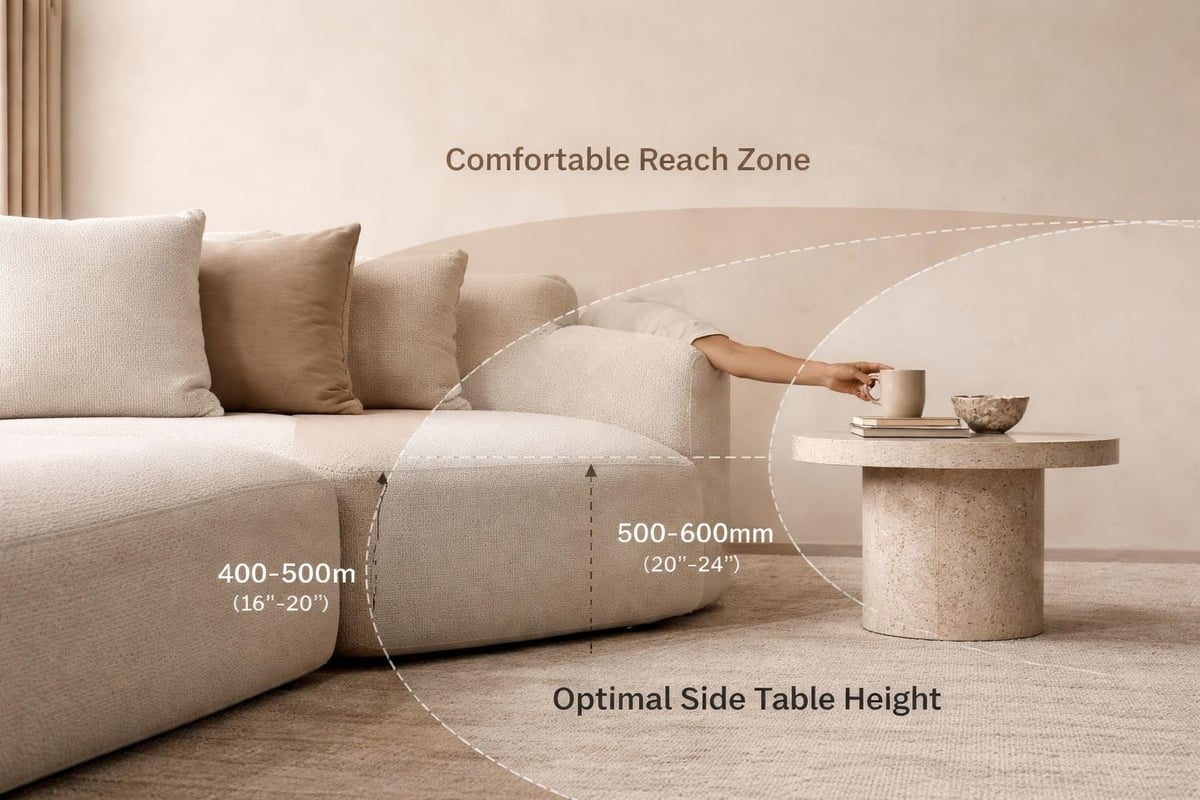
- Height compatibility with adjacent seating (typically 5-8cm below or level with armrest)
- Accessibility from seated positions without stretching
- Lighting support if incorporating table lamps
- Storage capacity for concealing clutter in family spaces
The dimensions matter significantly. A side table that's too low becomes awkward to use, while one that's too high disrupts sightlines and feels unbalanced. For most sofas and lounge chairs in our Auckland showrooms, we recommend side tables between 50-60cm in height, though this varies based on your specific seating.
Design Integration and Visual Balance
Beyond function, side tables contribute to spatial composition. When planning a living room with side tables, consider how these pieces interact with larger furniture. The two-thirds rule suggests that side tables should not extend beyond two-thirds the depth of your sofa or chair, creating proportional harmony that feels instinctive rather than calculated.
Material choice affects perceived weight and balance. A heavy marble table grounds a space, while a slender metal frame maintains airiness. Mixing materials adds textural interest without creating visual chaos, provided you maintain a cohesive colour palette.
Placement Strategies for Different Living Room Configurations
The configuration of your living room dictates side table placement more than personal preference. New Zealand homes range from compact apartments to sprawling open-plan designs, each requiring different approaches.
Symmetrical Arrangements
Symmetry creates immediate visual calm. Placing identical or complementary side tables at either end of a sofa establishes order and formality. This approach suits traditional living rooms and creates predictable functionality.
| Symmetrical Configuration | Best For | Considerations |
|---|---|---|
| Matching tables flanking sofa | Formal lounges, traditional homes | Requires wall space, balanced lighting |
| Paired tables beside armchairs | Conversation areas, reading nooks | Height consistency critical |
| Console with matching ends | Long walls, display-focused spaces | Requires substantial floor area |
For creating symmetry with side tables, consistency in scale matters more than identical pieces. Two different tables of similar height and visual weight can achieve symmetry while adding character.
Asymmetrical and Organic Layouts
Modern New Zealand living increasingly favours flexible, asymmetrical arrangements. A living room with side tables positioned organically around modular seating reflects how we actually live: moving between activities, accommodating guests, and adapting spaces throughout the day.
Asymmetrical placement works particularly well with:
- L-shaped sectionals where one side receives a larger table for entertaining
- Open-plan spaces where side tables define zones without rigid boundaries
- Mixed seating groups combining sofas with lounge chairs
- Media-focused rooms where tables support viewing angles rather than pure symmetry
The key is maintaining functional logic. Each seated position should have reasonable access to a surface, even if tables vary in size and style.
Nested and Layered Approaches
Nesting tables offer flexibility that single pieces cannot. A living room with side tables that nest or cluster provides adjustable surface area: compact for daily use, expanded for entertaining. This approach suits smaller New Zealand homes where spatial efficiency matters.
Consider layering different heights and depths. A low, deep table for magazines paired with a tall, narrow table for a lamp creates visual interest while serving distinct purposes. This technique adds dimension without cluttering floor space.
Material Selection for New Zealand Conditions
New Zealand's variable climate, from Auckland's humidity to Central Otago's dry winters, influences furniture material performance. A living room with side tables must account for environmental factors alongside aesthetic preferences.
Natural Timbers and Veneers
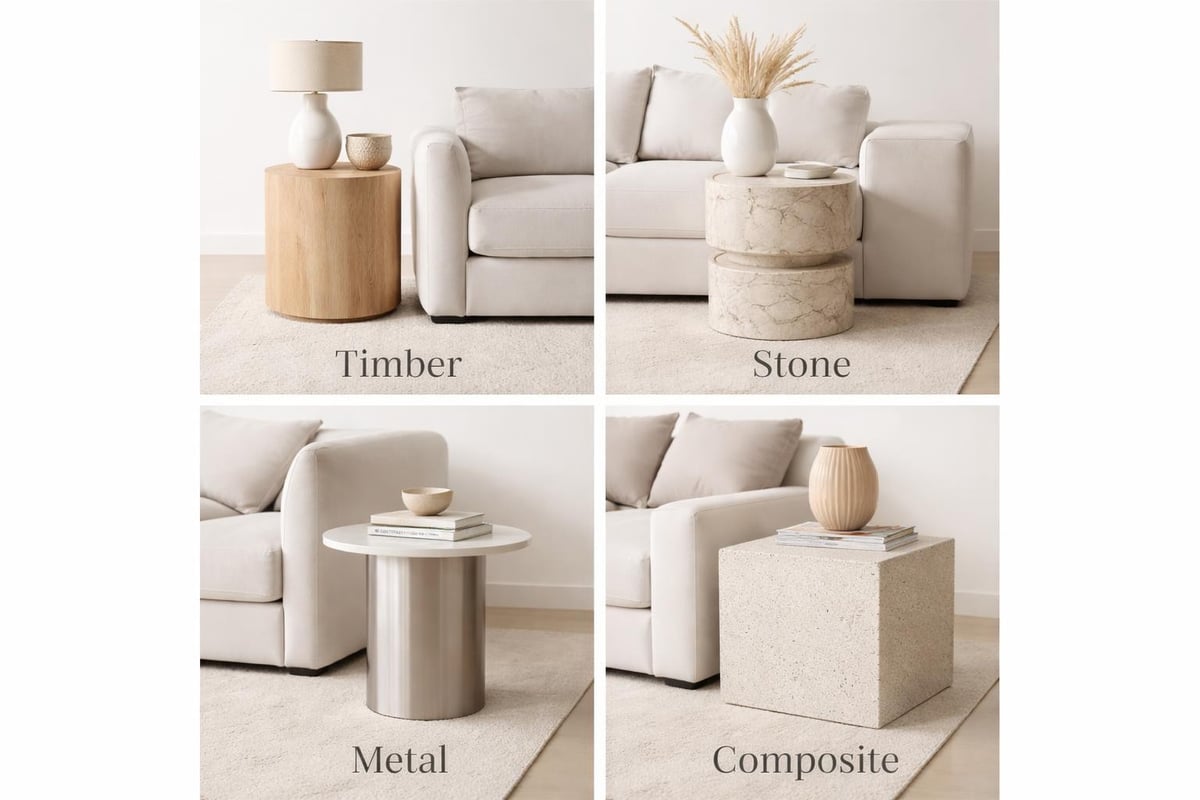
Timber remains the cornerstone of quality furniture. Oak, walnut, and ash provide durability with beautiful grain patterns. For coastal Auckland homes, timber requires appropriate finishing to resist moisture fluctuation. Our furniture care guide details maintenance requirements for different timber species.
Engineered timbers and veneers offer stability at accessible price points. Modern veneering techniques produce stunning surfaces over stable substrates, reducing warping risks while maximising visual impact.
Stone, Marble and Terrazzo
Stone side tables introduce tactile luxury and substantial presence. Marble and terrazzo have surged in popularity for contemporary side table designs, bringing natural variation and cool, smooth surfaces.
Advantages of stone tables:
- Exceptional durability and scratch resistance
- Natural thermal properties keep surfaces cool
- Unique veining ensures no two pieces are identical
- Substantial weight provides stability
Maintenance considerations:
- Requires sealing to prevent staining
- Heavy weight limits repositioning flexibility
- Cold surface temperature in winter months
- Higher initial investment
Metal and Mixed Material Compositions
Metal frameworks in powder-coated steel, brushed brass, or blackened iron provide structural elegance with minimal visual weight. When combined with timber or glass tops, metal bases create contemporary contrast that defines modern New Zealand interiors.
The Tomo side table exemplifies this approach, pairing refined metalwork with functional surfaces. Mixed materials allow you to introduce metallic accents without overwhelming a space, particularly effective in living rooms with neutral palettes.
Styling Techniques for Maximum Impact
A living room with side tables offers endless styling opportunities. The surface becomes a micro-gallery where functional items meet decorative elements.
The Layering Formula
Professional stylists use a consistent formula for side table arrangements:
- Foundation piece: lamp, sculptural object, or tall element for height
- Mid-level interest: books, small plants, or decorative boxes
- Low accent: coaster, small tray, or organic element
- Negative space: always leave breathing room
Avoid cluttering every available centimetre. Negative space allows each element to register visually and maintains the table's functional purpose. This principle applies whether you're working with a compact side table collection piece or a larger statement table.
Lighting Integration
Table lamps on side tables provide essential ambient and task lighting. The combined height of table plus lamp should bring the light source to approximately 150-160cm from the floor when seated nearby, creating comfortable illumination without glare.
Consider cord management from the outset. Trailing cables undermine sophisticated styling. Tables with integrated cable management, or strategic placement near power outlets, maintain clean lines.
Scale and Proportion in Accessories
Objects placed on side tables should relate proportionally to the table itself. A tiny candle on a substantial marble table appears lost, while oversized accessories on delicate tables create visual instability.
Proportion guidelines:
- Lamps should be 1.5x the height of the table base
- Decorative objects should not exceed 50% of table surface
- Stack no more than 3-4 books for stability and accessibility
- Group items in odd numbers (1, 3, 5) for visual interest
Selecting Side Tables for Specific Seating Types
The relationship between seating and side tables determines both functionality and aesthetic success. A living room with side tables that complement specific sofa or chair styles creates intentional, cohesive design.
Pairing with Deep-Seated Modular Sofas
Contemporary modular seating like the In Situ or Panorama systems feature deep seats and low profiles. These require side tables with specific characteristics:
- Lower height (45-55cm) to align with reduced armrest elevation
- Deeper footprint to remain accessible from reclined positions
- Stable base to prevent tipping when reaching from depth
- Open or lightweight design to avoid visual heaviness beside substantial seating
Coordinating with Lounge Chairs
Individual lounge chairs paired with dedicated side tables create intimate reading nooks or conversation zones. This pairing allows for more adventurous table choices, including:
- Statement pieces that serve as sculptural accents
- Smaller, more delicate designs appropriate to single-person use
- Adjustable or swivel tables for flexibility
- Contrasting materials that dialogue with chair upholstery
The placement of end tables in living rooms beside individual chairs typically allows closer positioning than sofa arrangements, maximising convenience while creating defined zones.
Commercial and High-Traffic Environments
For commercial interiors, hospitality settings, or family homes with children, durability and stability take precedence. Tables must withstand impacts, spills, and constant use without deteriorating or posing safety risks.
| Requirement | Residential Priority | Commercial Priority |
|---|---|---|
| Durability | Medium | Critical |
| Stain resistance | Medium-High | Critical |
| Weight/Stability | Low-Medium | High |
| Aesthetic impact | High | Medium-High |
| Maintenance ease | Medium | Critical |
| Investment level | Flexible | Cost-per-use focused |
Our experience working with developers and designers on commercial projects has demonstrated that investing in quality side tables reduces replacement cycles and maintains aesthetic standards over time.
Design Trends Shaping 2026 Living Rooms
Contemporary furniture design continues evolving, with side tables reflecting broader movements in New Zealand interiors. Understanding current trajectories helps create living rooms that feel current without being trendy.
Organic and Curved Forms
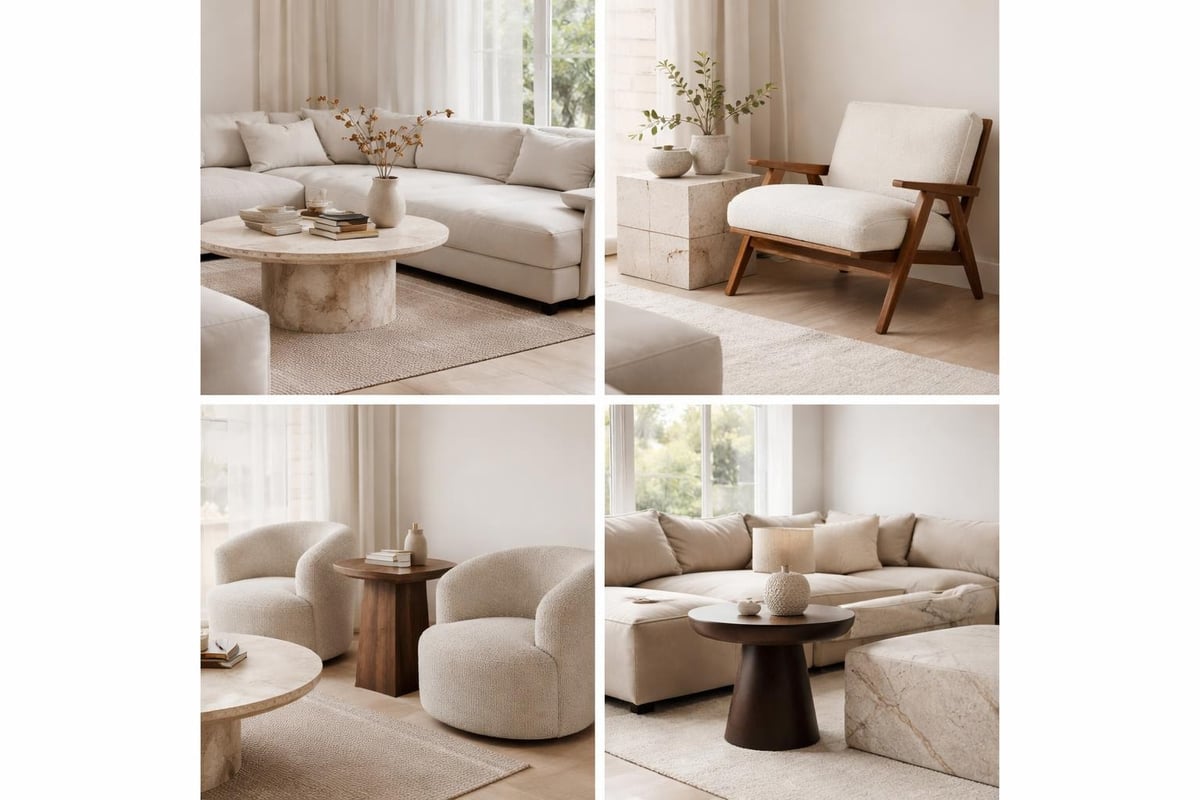
The shift away from strictly geometric designs continues, with sculptural side tables featuring flowing curves and organic silhouettes. These pieces soften contemporary spaces and introduce movement that contrasts with architectural rigidity.
Curved tables work particularly well in living rooms with angular furniture, creating visual dialogue between opposing forms. This trend aligns with biophilic design principles, bringing nature-inspired shapes indoors.
Multifunctional and Transforming Designs
Space efficiency drives innovation in side table design. Tables that adjust height, expand surface area, or incorporate storage respond to how New Zealanders actually live in compact, multipurpose spaces.
Transforming tables suit flexible living arrangements where rooms serve multiple functions throughout the day. A side table that becomes a laptop desk or extends to accommodate guests represents practical luxury.
Artisanal and Locally Crafted Pieces
There's growing appreciation for locally crafted furniture that tells a story. Statement side tables from New Zealand makers introduce uniqueness impossible to replicate in mass production.
Supporting local craftsmanship aligns with sustainable consumption values. These pieces often become conversation starters, adding personality that reflects the homeowner's values alongside their aesthetic preferences.
Sustainable Materials and Transparency
Conscious consumers increasingly demand material transparency. Reclaimed timber, recycled metals, and responsibly sourced stone represent more than environmental consideration-they're design features in themselves.
A living room with side tables made from sustainable materials reflects contemporary values without sacrificing sophistication. The patina of reclaimed timber or the story behind salvaged materials adds depth that new materials cannot provide.
Practical Considerations for Auckland Homes
Auckland's specific housing characteristics-from villa renovations to apartment living-influence side table selection and placement.
Heritage Homes and Villa Renovations
Character villas with high ceilings and traditional proportions benefit from side tables that bridge historical architecture and contemporary living. Pieces with classic silhouettes in modern materials, or vintage tables refinished for current use, create this balance.
Spatial planning in villas often involves multiple smaller living areas rather than open-plan expanse. This allows for varied side table approaches room by room, creating distinct atmospheres while maintaining overall coherence.
Apartment and Compact Living
Space constraints in Auckland apartments require disciplined side table selection. Pieces must earn their footprint through genuine functionality and aesthetic contribution.
Space-saving strategies:
- Wall-mounted shelves functioning as side tables
- Nesting sets providing flexibility without permanent footprint
- Transparent materials (glass, acrylic) maintaining sight lines
- Multi-level designs maximising vertical space
Open-Plan Living Zones
New Zealand's preference for open-plan living creates design challenges and opportunities. Side tables help define zones within larger spaces without requiring walls or heavy furniture divisions.
Strategic placement of a living room with side tables establishes the lounge area boundaries while maintaining flow. This zoning becomes particularly important in combined living-dining-kitchen configurations where furniture must delineate function while preserving openness.
Investment Framework for Quality Side Tables
Understanding value in furniture requires looking beyond initial price to longevity, materials, craftsmanship and timelessness. Side tables represent varied investment levels, each appropriate for different contexts.
Entry-Level Contemporary (NZD 200-600)
Quality contemporary design exists at accessible price points. Look for solid construction, honest materials, and clean design that won't date quickly. These pieces suit rental properties, first homes, or spaces where flexibility matters more than heirloom quality.
Mid-Range Designer Pieces (NZD 600-1,500)
This bracket offers exceptional design, superior materials, and construction that ensures decades of service. Tables from established European and local designers balance investment with accessibility, suitable for most New Zealand homes.
Pieces like those in our side tables collection represent this category-thoughtfully designed, beautifully made, and commercially sensible for homeowners investing in quality.
Premium and Statement Investment (NZD 1,500+)
Top-tier side tables feature exceptional materials, renowned designers, or artisanal craftsmanship. These pieces often appreciate rather than depreciate, particularly limited editions or iconic designs.
Premium investment makes sense when:
- The piece serves as functional sculpture
- Material quality (solid marble, premium hardwoods) justifies cost
- Design provenance adds cultural or historical significance
- Long-term ownership (10+ years) amortises investment
- The table anchors a considered, cohesive interior scheme
Maintaining and Caring for Different Table Types
Longevity requires appropriate care matched to materials. A living room with side tables properly maintained retains beauty and function indefinitely.
Timber Care and Protection
Timber tables need regular dusting with microfibre cloths and periodic conditioning with appropriate products. Avoid silicone-based polishes that build residue. Use coasters religiously to prevent water rings and heat marks.
For detailed maintenance protocols across different timber finishes, our comprehensive furniture care guide provides specific product recommendations and seasonal maintenance schedules suited to New Zealand conditions.
Stone and Marble Maintenance
Sealed marble and stone tables resist most daily impacts, but acidic substances (wine, citrus, coffee) can etch surfaces if left. Immediate blotting prevents staining. Reseal annually in high-use environments.
Metal and Powder-Coated Finishes
Metal frameworks require minimal maintenance beyond regular dusting. Powder coating protects against corrosion, but scratches should be addressed promptly to prevent oxidation spreading. Brass and copper develop patina naturally-decide whether you prefer maintained shine or aged character.
Working with Interior Designers and Spatial Planning
Professional interior designers approach side table selection within comprehensive spatial strategies. Understanding this process helps homeowners make informed decisions aligned with overall design intent.
The Design Brief Process
Designers begin by understanding how you live: entertaining frequency, reading habits, lighting preferences, storage needs. This information guides side table selection beyond aesthetics to genuine lifestyle alignment.
A living room with side tables chosen through this process functions intuitively because furniture placement reflects actual behaviour patterns rather than abstract layouts.
Scale Drawings and Spatial Testing
Professional designers create scaled plans showing furniture footprints and circulation paths. This reveals whether side tables enhance or obstruct movement, ensuring accessibility from all seated positions.
Before committing to purchases, visit our Auckland showrooms to experience pieces at full scale. Photographs distort proportions-seeing tables beside actual sofas provides clarity impossible to achieve online.
Phased Implementation Strategies
Not every piece needs purchasing simultaneously. Designers often recommend phasing furniture acquisition, starting with anchor pieces (sofas, major tables) before selecting complementary items like side tables.
This approach allows living with the space, understanding actual needs before committing to every element. Side tables chosen after experiencing the room daily often serve better than those selected theoretically.
Beyond Conventional Side Tables
Innovation in contemporary furniture design has expanded what "side table" can mean, offering alternatives to traditional forms while maintaining essential functionality.
Modular Storage Systems
Low modular storage units can function as side tables while providing concealed storage. This dual-purpose approach suits minimalist interiors where visible clutter undermines design intent.
Mobile and Wheeled Options
C-tables and wheeled side tables offer flexibility for spaces used variably throughout the day. Slide a wheeled table over seating for laptop work, then reposition for evening entertaining.
Integrated Sofa Tables
Some contemporary sofas incorporate integrated side tables or shelf elements. While convenient, this limits flexibility for future reconfigurations. Consider whether permanent integration or separate pieces better suits your likely furniture evolution.
Creating a sophisticated living room with side tables requires balancing functional requirements with aesthetic vision, considering material performance alongside design impact, and investing appropriately for your specific context. The right side tables enhance daily living while contributing to cohesive interior design that feels intentional rather than accidental. Whether you're furnishing a heritage villa, a contemporary apartment, or a commercial space, thoughtful side table selection transforms functional necessity into design opportunity. Visit Bauhaus to explore our curated collection of contemporary side tables and work with our experienced team to find pieces that perfectly complement your living room and lifestyle.