Finding the right dining table in New Zealand means weighing material, size, construction, and how it will hold up through daily meals, homework sessions, and long weekend gatherings. A good table does the work for years without complaint. The wrong one wobbles, scratches, or dominates a room that cannot spare the space. Whether you are furnishing a compact apartment in Auckland or a new build in the Waikato, the decision hinges on knowing what you need, what each material delivers, and how to care for it in New Zealand's climate.
Material Choices for Dining Tables in New Zealand
Timber remains the most common choice for dining table nz buyers, valued for warmth, grain pattern, and the ability to sand and refinish over time. Solid hardwoods such as oak, walnut, and ash deliver durability and natural beauty. Oak shows prominent grain and varies from pale to mid-brown tones. Walnut brings darker, richer colour with straighter grain. Ash offers a lighter palette with clear, defined grain lines. Each species differs in hardness, affecting resistance to dents and scratches.
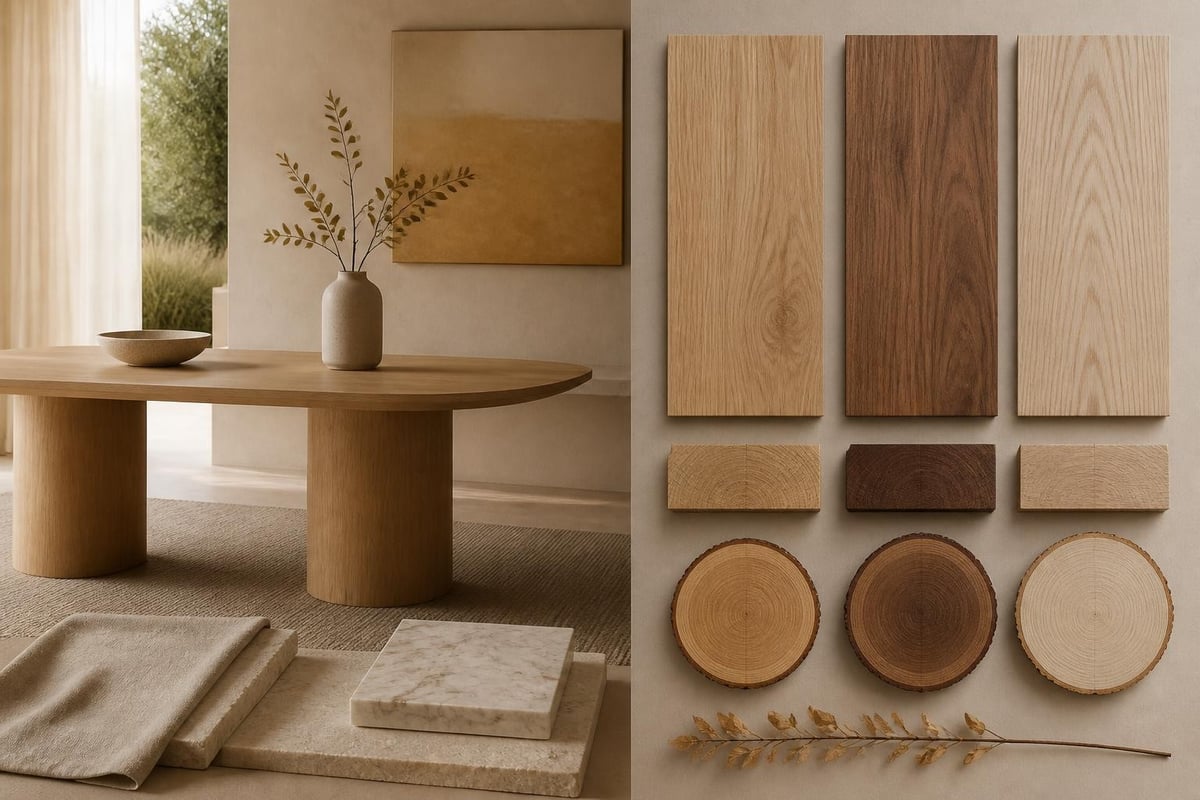
Native New Zealand timbers such as rimu, kauri, and tōtara have been used historically but are now carefully managed. New Zealand government guides to native tall tree species provide background on the timber qualities of these species. Rimu features a warm reddish-brown hue and fine texture. Kauri is pale golden-brown with straight grain and low movement. Tōtara is lightweight, stable, and naturally resistant to decay. Availability is limited, and prices reflect scarcity and sustainability considerations. Reclaimed native timber appears in custom or vintage pieces.
Engineered timber such as veneered MDF or plywood offers stability and cost efficiency. A thin layer of real timber veneer covers a composite core, reducing the risk of warping and cracking. The core resists moisture movement better than solid timber. Veneer quality varies, with thicker cuts allowing light sanding if needed. Lower-grade veneer may lift or peel over time, particularly in humid coastal environments.
Stone and stone-look surfaces provide a hard, heat-resistant option. Natural stone such as marble and granite delivers unique veining but requires sealing to prevent staining. Marble is softer and more porous than granite, prone to etching from acidic foods. Engineered stone such as quartz combines crushed stone with resin for consistent colour and pattern without the porosity of natural stone. StoneSkin and similar composite finishes mimic stone appearance with a smooth, non-porous surface suitable for everyday dining.
Metal and Glass Table Options
Metal frames paired with timber, stone, or glass tops suit industrial or minimalist interiors. Steel and aluminium frames are powder-coated or painted to resist rust. Steel is heavier and more rigid; aluminium is lighter and easier to move. Metal legs require rubber or felt glides to protect flooring and reduce noise.
Glass tops create visual lightness and work well in smaller spaces where a solid table might feel heavy. Tempered glass is safer, shattering into small granules rather than sharp shards. Thickness matters; 10mm to 12mm tempered glass is standard for dining use. Glass shows fingerprints, water marks, and requires regular cleaning. Scratches are permanent.
Sizing and Space Planning for Your Dining Table NZ
Table size depends on room dimensions, seating capacity, and circulation space. A rectangular table measuring 1.8m by 0.9m comfortably seats six people with 60cm per person along the length and one person at each end. Extending to 2.4m accommodates eight. Round tables suit square rooms and encourage conversation but require more floor area. A 1.2m diameter round table seats four; 1.5m seats six.
Clearance around the table matters. Allow at least 90cm from the table edge to the wall or nearest furniture for chairs to pull out and people to pass behind seated diners. Accessibility guidance in NZS 4121 sets out recommended clearances and turning space for dining areas in accessible homes, typically requiring 1.5m diameter clear space for wheelchair users.
| Table Shape | Dimensions | Seats | Room Size Required |
|---|---|---|---|
| Rectangular | 1.8m × 0.9m | 6 | 3.6m × 2.7m |
| Rectangular | 2.4m × 1.0m | 8–10 | 4.2m × 2.8m |
| Round | 1.2m diameter | 4 | 3.0m × 3.0m |
| Round | 1.5m diameter | 6 | 3.3m × 3.3m |
| Square | 1.0m × 1.0m | 4 | 2.8m × 2.8m |
Open-plan living requires additional thought. The table often sits near the kitchen or adjacent to lounge furniture, so scale and sightlines matter. A table that suits the dining zone might obstruct flow between kitchen and living areas if placed poorly. Measure twice, including clearance for chairs when pulled out fully.
Pedestal bases versus four-leg frames change how many people fit comfortably. A single central pedestal frees up corner space, so chairs slide in easily and everyone has legroom. Four legs can restrict seating at the corners. Trestle bases sit between the two, offering stability without corner legs but taking up more linear space along the table's length.
Construction Quality and Joinery Standards
Frame construction determines longevity. Solid timber tables use mortise-and-tenon joints, dowels, or biscuit joints to connect legs and aprons. Mortise-and-tenon joints are strongest, with a projecting tenon fitting tightly into a mortise hole and secured with glue or pegs. Dowels offer good strength when properly glued and aligned. Biscuit joints suit engineered panels but are weaker than mortise-and-tenon in solid timber.
Metal brackets and corner blocks reinforce joints in mid-range tables. Brackets bolt or screw into the underside of the top and the apron, adding rigidity. Better tables hide the brackets; cheaper ones leave them visible. Exposed screws suggest mass production and limited durability.
Top attachment methods affect how the table responds to humidity changes. Timber expands and contracts across the grain with seasonal moisture fluctuations, a significant consideration in New Zealand's varied climate. Fixed attachments can cause splitting as the top tries to move against rigid constraints. Better tables use slotted brackets, figure-eight fasteners, or elongated screw holes that allow the top to expand and contract while staying secure.
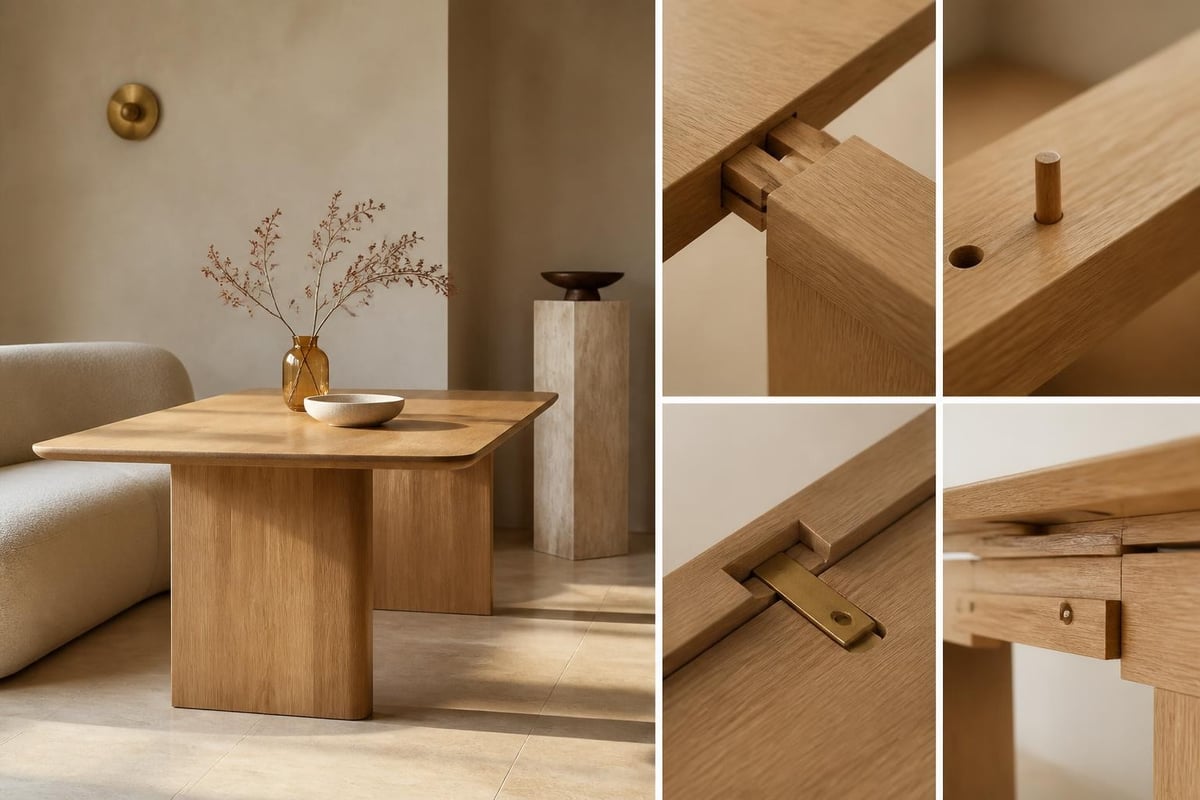
Edge profiles and finish details signal quality. A clean, hand-sanded edge with smooth radius corners indicates attention to detail. Sharp corners and visible sanding marks suggest rushed production. Live-edge tables retain the natural bark edge or waney edge of the timber, requiring careful sealing to prevent splitting and insect damage.
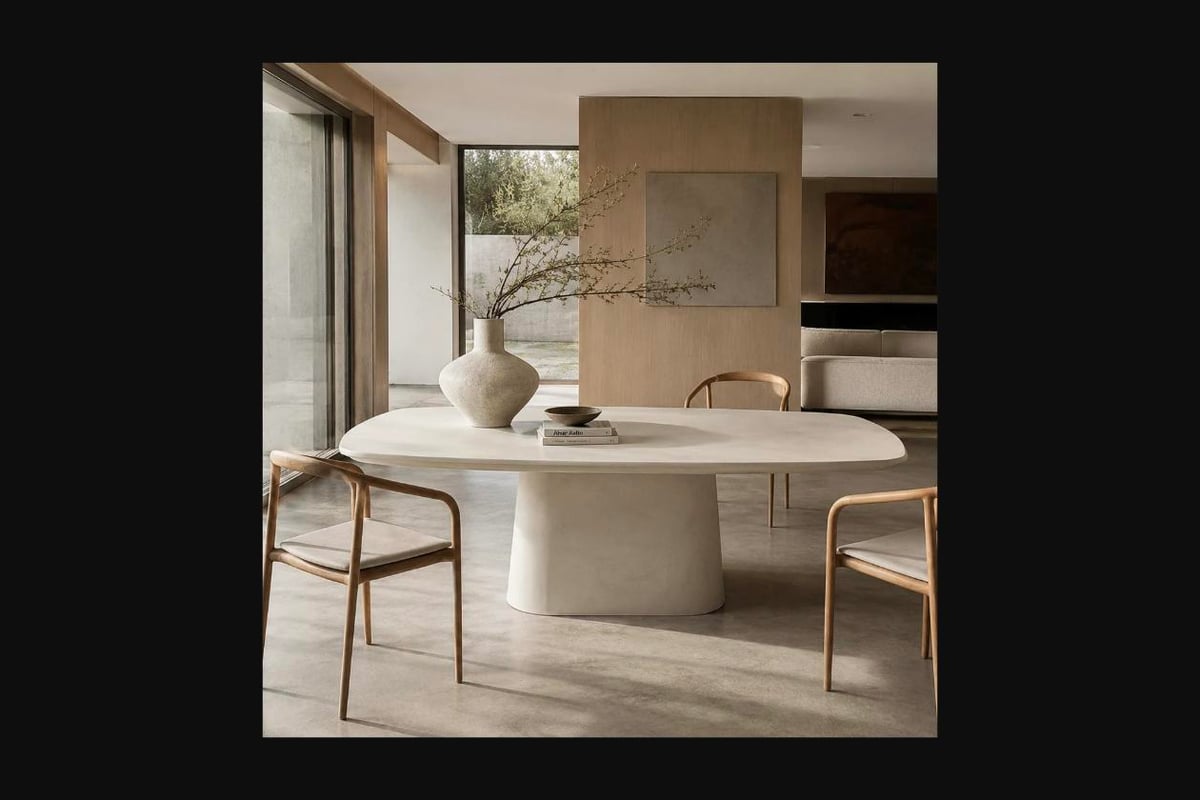
The Nova Table demonstrates thoughtful construction with its single oval pedestal base and softly rounded corners, finished in StoneSkin for a smooth, stone-look surface with natural depth. The pedestal design ensures chairs slide freely without corner legs, and the StoneSkin finish combines visual appeal with practical durability suited to everyday dining. Available in 1.8m and 2.4m lengths, the table pairs naturally with timber chairs such as the Miso Chair.
Finish Types and Surface Protection
Oil finishes penetrate timber, enhancing grain while leaving the surface slightly porous. Natural oils such as linseed or tung oil require reapplication every few months to maintain protection. Oiled surfaces develop a patina over time, accepting minor scratches and dents as character. Water rings and spills can mark the surface if not wiped immediately.
Hard-wax oils combine penetrating oil with a surface wax layer, offering better water resistance than pure oil finishes. They require less frequent maintenance, typically once or twice a year. The surface feels smooth but not glossy. Wax oils suit tables used gently but may not withstand heavy daily use in family kitchens.
Lacquer and polyurethane finishes create a hard, sealed surface that resists water, stains, and scratching. Modern water-based lacquers reduce VOC emissions and dry quickly. Lacquer builds a thin, hard film in multiple coats, sanded between layers. Polyurethane is thicker and more durable but can appear plastic if applied too heavily. Both finishes protect well but cannot be spot-repaired; damage requires full refinishing of the affected area.
- Oil finish: Natural appearance, requires regular maintenance, accepts minor damage gracefully
- Hard-wax oil: Moderate protection, low sheen, annual reapplication
- Lacquer: Hard, clear film, good stain resistance, difficult to repair
- Polyurethane: Maximum durability, water-resistant, can look plastic if over-applied
Stone and composite surfaces may be sealed or left unsealed depending on porosity. Natural stone always requires sealing to prevent staining from wine, oil, or acidic foods. Sealers penetrate the stone and repel liquids but need reapplication annually or biannually. Engineered stone and non-porous composites need no sealing but still benefit from regular cleaning to remove surface residue.
Caring for Your Dining Table in New Zealand's Climate
New Zealand's humidity varies significantly by region and season. Coastal areas experience higher humidity year-round, while inland regions see greater seasonal swings. Timber responds by expanding in humid conditions and contracting in dry periods. Avoid placing tables near radiators, heat pumps, or in direct sunlight from large windows, all of which accelerate moisture loss and increase the risk of cracking.
Consumer NZ guidance on avoiding mould recommends maintaining indoor humidity between 40% and 60% to prevent mould growth and material damage. High humidity can cause timber to swell, affecting drawer and leaf operation in extension tables. Low humidity during winter heating can lead to splits and joint separation.
Daily care depends on the finish. Wipe spills immediately with a damp cloth, then dry the area. Avoid leaving wet glasses, hot pots, or damp placemats on timber or unsealed stone surfaces. Use coasters, trivets, and placemats to protect against heat and moisture. For oiled timber, reapply oil when water no longer beads on the surface. For lacquered or polyurethane finishes, use a slightly damp microfibre cloth and avoid harsh cleaners that can dull the finish.
Stone and composite surfaces tolerate heat better than timber but can still stain. Wipe stone tables with pH-neutral cleaners; acidic or alkaline products can etch or discolour the surface. Engineered stone resists staining better than natural stone but can be damaged by strong solvents or abrasive pads. Check manufacturer recommendations for specific care instructions.
Periodic maintenance extends table life. Tighten bolts and screws annually, as timber movement and daily use can loosen fixings. Inspect joints for gaps or movement. For timber tables, consider professional refinishing every five to ten years, depending on wear. Refinishing involves sanding back the existing finish and reapplying oil or lacquer, restoring the surface and repairing minor scratches and dents.
Buying Considerations and Consumer Rights
Purchasing a dining table nz involves balancing budget, material preferences, and expected lifespan. Entry-level tables often use veneered particle board or MDF with simpler joinery and thinner finishes. Mid-range tables feature solid timber or quality veneer with better construction and finish durability. High-end tables use premium materials, hand-finished surfaces, and robust joinery designed for decades of use.
Consumer Guarantees Act protections apply to all furniture purchases in New Zealand. Tables must be of acceptable quality, fit for purpose, match the description, and be durable given the price paid. If a table develops faults within a reasonable timeframe, you are entitled to a repair, replacement, or refund. What counts as "reasonable" depends on the product; a high-end solid timber table should last far longer than a budget flat-pack equivalent.
Ask about warranties before purchasing. Many retailers offer one to five-year warranties covering manufacturing defects but excluding damage from misuse or normal wear. Read the terms carefully. Some warranties require professional assembly or exclude certain finishes. Keep proof of purchase and photographs of any defects.
Delivery and assembly matter, particularly for larger tables. Check whether the price includes delivery, whether the table arrives assembled or flat-pack, and whether assembly is included. Large solid timber tables are heavy and awkward; professional delivery reduces the risk of damage and injury. Measure doorways, staircases, and lifts to confirm the table will fit through your home's access points.
Matching Chairs and Coordinating Dining Spaces
Chair height and table height must align for comfortable dining. Standard dining tables sit 72cm to 76cm high; dining chairs typically have a seat height of 45cm to 50cm, leaving 22cm to 26cm clearance for legs and lap. Bar-height tables (90cm to 110cm) require bar stools or counter stools with seat heights of 65cm to 75cm.
Chair style influences the overall look. Timber chairs match timber tables for a cohesive aesthetic but risk looking too matchy. Mixing materials adds visual interest; upholstered chairs soften the look of a stone or glass table, while metal chairs suit industrial or minimalist interiors. Ensure chair backs clear the table's apron or overhang when pushed in fully.
Armchairs at the ends or around a round table add comfort for long meals but require more space. An armchair needs at least 65cm width; armless chairs fit into 55cm to 60cm. If space is tight, use armchairs at the heads of a rectangular table and armless chairs along the sides.
Extending tables offer flexibility for occasional hosting. Butterfly-leaf mechanisms store the leaf within the table, unfolding when needed. Removable leaves require storage space but allow greater extension. Self-storing leaves are convenient; separate leaves can be lost or damaged. Check that the extension mechanism operates smoothly and that the leaf sits flush with the main top without gaps or height differences.
Sustainable Sourcing and Certification
Sustainability matters to many New Zealand buyers. Timber certification and marking standards from the Ministry for Primary Industries set out requirements for legal and sustainable timber sourcing. Look for FSC (Forest Stewardship Council) or PEFC (Programme for the Endorsement of Forest Certification) labels, indicating timber from responsibly managed forests.
Reclaimed and recycled timber reduces demand for new logging. Reclaimed timber often comes from demolished buildings, old flooring, or disused industrial structures. The timber has already dried and stabilised, reducing the risk of movement. Character marks such as nail holes, saw cuts, and weathering add visual interest but require careful inspection for structural integrity.
Local production reduces shipping emissions and supports New Zealand businesses. Tables made in New Zealand often use locally milled timber or imported materials assembled domestically. Bauhaus has designed and sourced quality furniture since 2003, focusing on durable materials and smart design for New Zealand homes. Understanding where and how your table is made allows informed decisions aligned with personal values.
Common Faults and What to Avoid
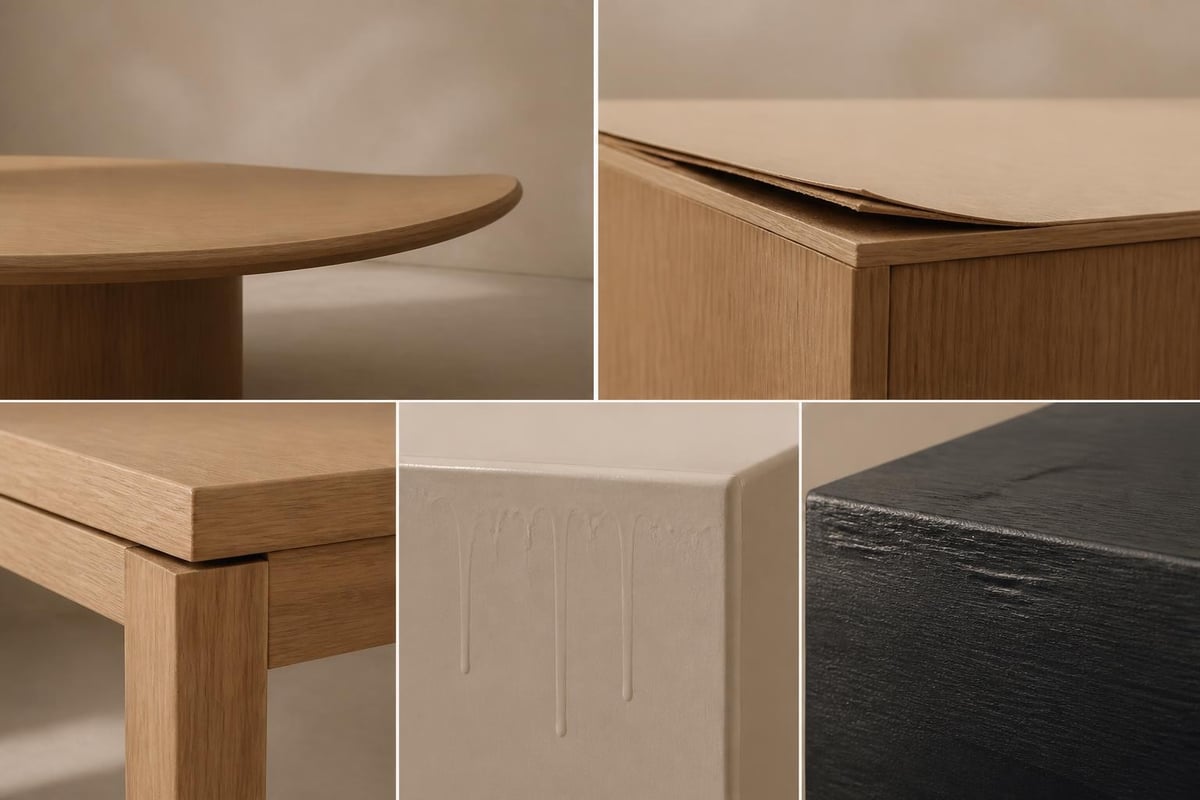
Warping occurs when timber dries unevenly or is exposed to extreme humidity changes. A warped top will rock on a flat surface or show a visible twist. Avoid tables stored outdoors or in unheated warehouses before purchase. Inspect the top from multiple angles under good lighting to spot warping before buying.
Veneer bubbling or lifting indicates poor adhesive application or moisture damage. Press gently on the veneer surface; it should feel solid and uniform. Bubbles or spongy areas suggest the veneer will peel over time. Cheaper veneered tables often use thin veneer that cannot be repaired once lifted.
Loose joints develop from inadequate gluing, poor joinery, or timber movement. Wobble the table gently; it should feel rigid. A small amount of movement in a new table suggests the joints will loosen further with use. Check that all bolts and screws are tight and that corner blocks are secure.
Finish defects such as drips, sags, or visible brush marks indicate rushed application. Run your hand over the surface; it should feel smooth and consistent. Sticky or tacky areas suggest the finish has not cured properly, often from applying too thick a coat or insufficient drying time between coats.
Popular Table Styles in New Zealand Homes
Scandinavian-inspired designs favour light timber, clean lines, and minimal ornamentation. Oak and ash are common choices, finished in natural tones or whitewashed. Tapered legs and slim profiles suit smaller spaces. The aesthetic emphasises function and simplicity.
Industrial styles combine metal frames with reclaimed or heavily grained timber tops. Steel legs may be powder-coated black or left with a raw, unsealed finish. Thick planks with visible knots and cracks create a rugged look. Industrial tables suit loft apartments and open-plan urban homes.
Mid-century modern designs reference 1950s and 1960s furniture, featuring walnut or teak timber with angled legs and organic shapes. Oval and boat-shaped tops appear frequently, as do tapered, splayed legs. The style balances warmth and elegance, fitting both traditional and contemporary interiors.
Contemporary minimalist tables strip away detail, focusing on material quality and proportion. Monolithic stone tops, seamless veneer, and hidden joinery create a refined look. Colours tend toward neutrals: white, grey, black, natural timber tones. The style suits modern new builds and architect-designed homes.
Farmhouse and rustic tables use heavy timber, visible joinery, and distressed finishes. Trestle bases and chunky legs convey solidity. Reclaimed timber or artificially aged finishes add character. The style suits country homes and heritage properties but can feel out of place in sleek, modern interiors.
Where to See and Test Tables Before Buying
Visiting a showroom allows you to see timber grain, test table height, and assess build quality first-hand. Sit at the table, pull out a chair, and run your hands over the surface. Check the underside for construction details. Good retailers welcome questions about materials, joinery, and care.
Online purchases lack the tactile experience but offer wider selection and competitive pricing. Request detailed photographs, including close-ups of joints, edges, and finish. Ask about return policies and whether the table can be returned if it does not meet expectations. Some retailers offer room visualisation tools or augmented reality apps to preview the table in your space.
Custom and made-to-order tables allow precise sizing and material selection but involve longer lead times and higher costs. Work with the maker to specify dimensions, timber species, finish type, and design details. Request samples of the timber and finish before committing. Custom tables rarely qualify for returns, so ensure every detail is agreed upon in writing.
Second-hand and vintage tables offer character and value but require careful inspection. Check for structural damage, missing hardware, and the condition of the finish. Vintage Danish and New Zealand-made tables from the 1960s and 1970s often feature quality timber and construction, but may need refinishing or repair. Factor restoration costs into your budget.
Disclaimer: AI-supported images may differ from products on website.
Choosing the right dining table involves balancing material, size, construction, and long-term care within New Zealand's diverse climate and living conditions. A well-made table serves as the functional heart of a home, supporting daily meals and gatherings for years without fuss. Whether you prefer solid timber warmth, the clean lines of a stone-look surface, or the flexibility of an extending design, understanding what to look for ensures a purchase that fits both your space and how you live. Visit Bauhaus to explore contemporary dining tables designed for modern New Zealand homes, backed by thoughtful material choices, proven construction, and personalised service from a team that knows furniture inside out.