An accent chair nz brings function and character to any interior. It fills a corner, anchors a conversation zone, or provides a place to sit while putting on shoes. Unlike a sofa or dining set, an accent chair stands alone. That means its form, fabric and finish need to work harder. Homeowners, developers and designers use these pieces to add seating capacity, introduce a contrasting texture, or signal a deliberate shift in tone across an open-plan space. The New Zealand market offers everything from local craft to European imports, so understanding construction, scale and upholstery detail makes the difference between a smart purchase and a regretted compromise.
Construction and Material Quality
Frame construction determines how long an accent chair lasts. Hardwood frames (beech, oak, ash) tolerate weight and movement better than softwood or particleboard alternatives. Joinery method matters: mortise-and-tenon or dowelled joints hold tight under daily use, while stapled corner blocks often loosen within a year or two. Ask whether the frame is kiln-dried. Green timber shrinks as it cures, which loosens joints and splits panels.
Foam density and spring systems separate budget seating from pieces that hold their shape. High-resilience polyurethane foam in the 35–40 kg/m³ range recovers quickly after compression. Eight-way hand-tied springs (traditionally coil, now often sinuous wire) distribute load evenly and prevent sagging. Cheaper chairs rely on webbing or thin foam over plywood, which collapses within two years under regular use.
Upholstery Fabric and Leather
Upholstery choice dictates maintenance, lifespan and aesthetic. Linen brings texture and a relaxed drape but marks easily and needs spot-cleaning. Wool blends resist pilling and repel light spills, making them practical for family rooms. Performance fabrics (polyester, acrylic, solution-dyed blends) handle moisture and abrasion, though they often lack the hand and lustre of natural fibres.
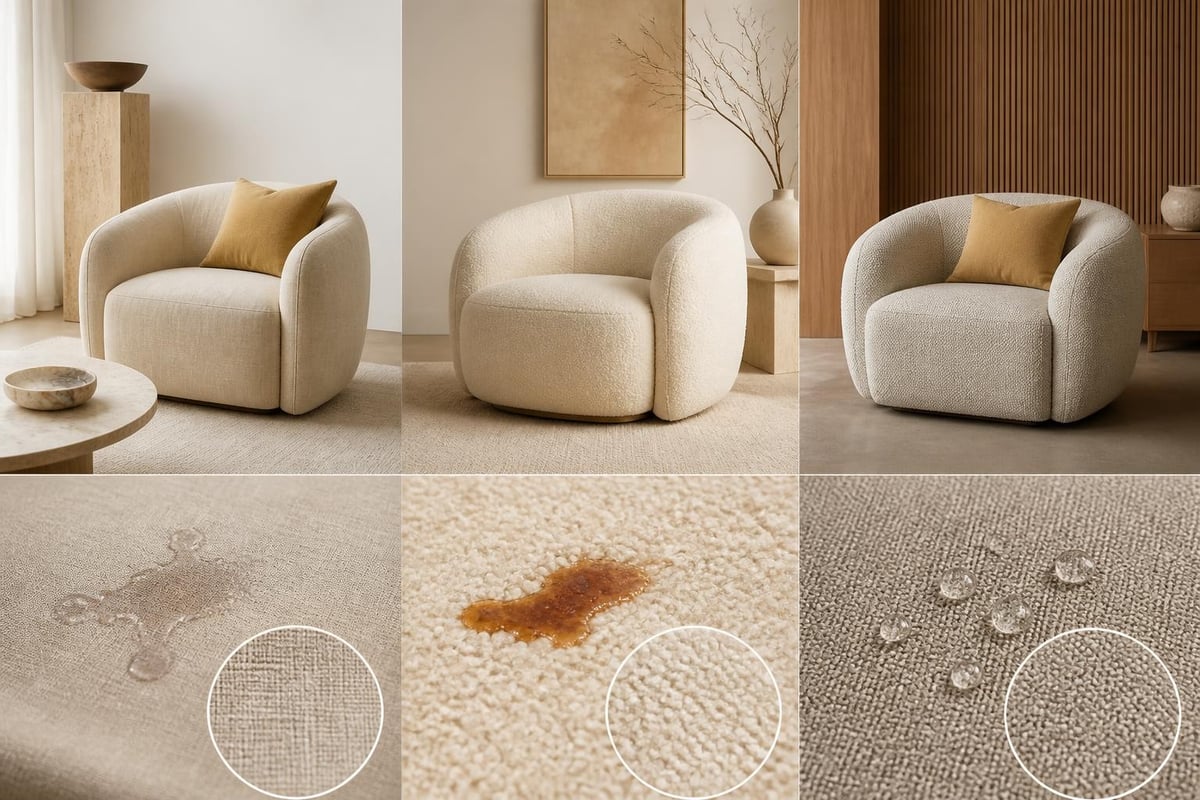
Leather grades vary widely. Full-grain aniline leather shows natural grain and patina but stains permanently if unprotected. Pigmented (corrected-grain) leather hides surface imperfections and resists moisture, at the cost of a stiffer feel. Split leather (the fibrous layer beneath the grain) is cheaper but less durable. If you see "bonded leather" or "leather match," expect a vinyl backing that will crack and peel.
| Material | Durability (years) | Stain resistance | Maintenance | Typical cost (relative) |
|---|---|---|---|---|
| Linen | 5–8 | Low | Frequent spot-clean | Medium |
| Wool blend | 8–12 | Medium | Vacuum + annual clean | Medium-high |
| Performance fabric | 10–15 | High | Wipe clean | Medium |
| Full-grain leather | 15+ | Medium | Condition 2x/year | High |
| Corrected-grain leather | 10–15 | High | Wipe clean | Medium-high |
Stitching detail reveals manufacturing care. Double stitching at stress points (armrests, seat edges) prevents thread pull and fabric separation. Welting (piping) along seams adds structure and hides raw edges. On leather chairs, check that panels are matched for colour and grain direction; mismatched panels signal cut-rate sourcing.
Sizing and Ergonomics for New Zealand Homes
An accent chair nz must fit the room and the user. Seat height typically ranges from 42 to 48 cm. Lower seats suit relaxed lounging; higher perches (45 cm and above) make standing easier for older adults. Depth matters: a 50 cm seat depth accommodates most people, but shorter users may need 45 cm to avoid dangling feet, while taller frames prefer 55 cm for thigh support. Research on seat ergonomics confirms that mismatched dimensions cause discomfort and postural strain within 20 minutes.
Arm height and width affect usability. Arms set at 60–65 cm from the floor allow you to rest forearms while seated upright. If the chair will slide under a side table or desk, measure clearance. Armless designs (slipper chairs, tub chairs without wings) fit tighter spaces and pair well with low-profile coffee tables.
Footprint and Clearance
Measure twice. An accent chair with a 75 cm width and 80 cm depth needs at least 100 cm of floor space when you account for walking clearance. In open-plan layouts, place the chair to define a reading nook or conversation cluster without blocking sightlines to other zones. Corner placement works when you add a floor lamp and side table; the chair becomes a destination rather than an obstacle.
Weight and portability matter if you rearrange seasonally or host gatherings. A solid-oak frame and leather upholstery can exceed 25 kg, making relocation a two-person job. Lighter chairs (beech frame, linen cover) weigh 12–15 kg and move easily, though they may slide on polished timber floors unless you add felt pads.
Style, Form and Aesthetic Fit
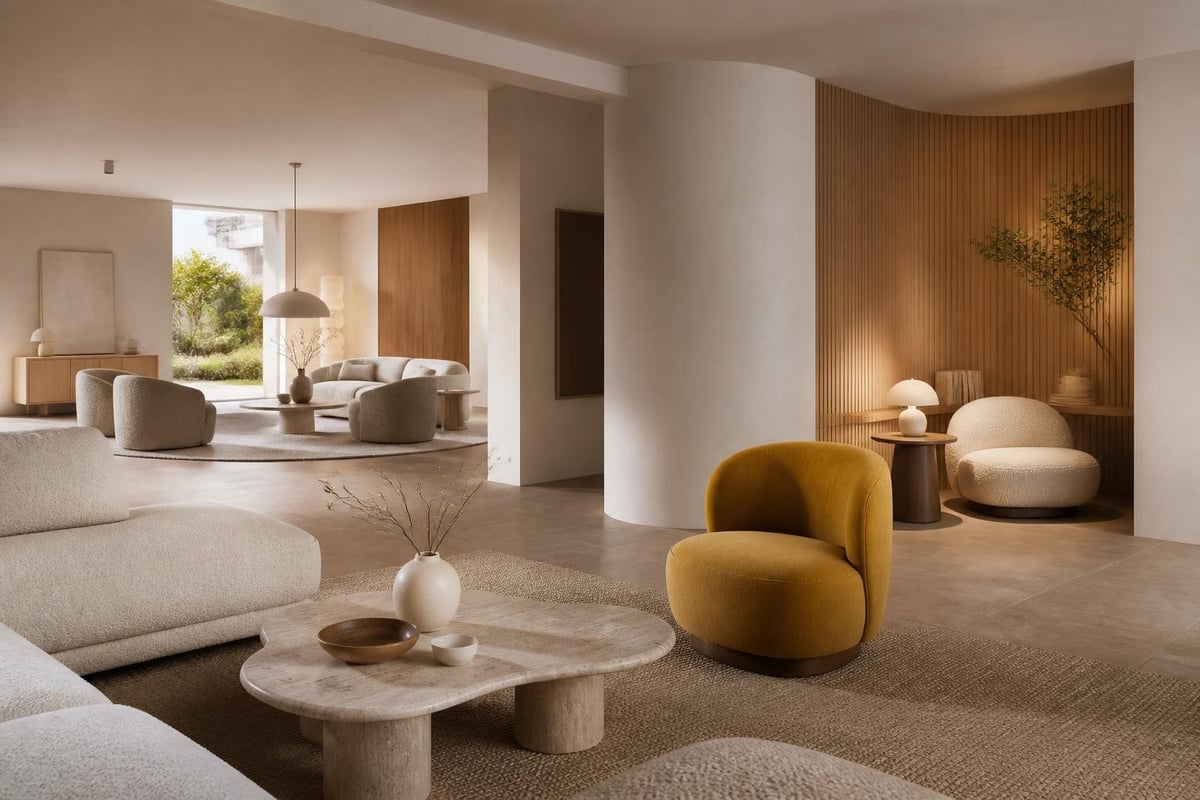
Accent chairs vary from mid-century lounge silhouettes to Scandinavian minimalism and transitional wingbacks. Choose a form that contrasts subtly with your existing seating. If your sofa features deep cushions and low arms, pair it with a chair that sits higher and offers firmer support. Visual weight should balance: a heavily upholstered wingback chair grounds a room anchored by a light linen sofa, while a slender bentwood frame complements a deep-buttoned Chesterfield.
Colour and pattern introduce layering. A neutral sofa gains depth when you add a chair in a saturated linen (rust, forest green, charcoal) or a geometric jacquard. Avoid matching the chair to the sofa exactly; the goal is dialogue, not duplication. Texture contrast (smooth leather chair, bouclé sofa) adds tactile interest.
- Mid-century modern: Tapered legs, curved backs, walnut or teak frames. Pairs well with open shelving and geometric rugs.
- Scandinavian: Oak or ash frames, wool or linen upholstery in muted tones. Clean lines and minimal ornamentation.
- Transitional wingback: Button tufting, rolled arms, nail-head trim. Works in traditional and contemporary schemes when upholstered in plain linen or leather.
- Contemporary lounge: Low profile, wide seat, metal or timber legs. Suits open-plan living and minimalist interiors.
For interior designers specifying accent chairs across multiple properties, consistency in material quality and lead time matters. Bauhaus curates lounge chairs from European and local makers, offering repeatable stock and custom upholstery options that align with design briefs and handover schedules.
Sustainable Sourcing and Certification in New Zealand
Eco-conscious buyers look for certifications that verify timber origin, chemical use and manufacturing impact. The Eco Choice Aotearoa label applies to furniture and textiles that meet strict environmental and social criteria. Detailed standards cover forestry, adhesives, foam emissions and end-of-life recyclability. The New Zealand Green Building Council recognises similar international marks (FSC timber, GECA upholstery), which help specifiers earn credits under Homestar and Green Star rating systems.
Manufacturing location influences carbon footprint and lead time. Locally made chairs reduce shipping emissions and support New Zealand's skilled upholstery sector, though they often cost more than container imports. NZQA frameworks define national qualifications for furniture making, ensuring consistent craft standards. Imported pieces from established European makers (Denmark, Italy, Germany) typically carry design heritage and longer warranties, offsetting higher freight costs with proven durability.
Foam and adhesive emissions matter indoors. Low-VOC adhesives and CertiPUR-certified foam reduce off-gassing of formaldehyde and other volatiles. Ask for test certificates or third-party verification if indoor air quality is a priority (common in Homestar projects and commercial fit-outs).
Practical Placement and Room Integration
An accent chair nz functions best when it serves a clear purpose. Position it to face a focal point (fireplace, view, media unit) or angle it toward the sofa to encourage conversation. Avoid pushing it flat against a wall; pulling the chair 20–30 cm into the room creates breathing space and makes the layout feel intentional.
Pair the chair with a side table (40–50 cm high) for a coffee cup, book or task lamp. Side tables in timber, marble or metal add function and visual layering. A floor lamp placed behind or beside the chair defines the zone and provides task light for reading.
In bedrooms, an accent chair replaces the dumping-ground for clothes when you pair it with a wall-mounted hook or small valet stand. Choose a firm seat (avoid deep lounge profiles) so the chair remains useful for putting on shoes or placing a handbag. Upholstered arms prevent damage to delicate fabrics if you drape a coat temporarily.
Maintenance and Longevity
Vacuum upholstered chairs weekly to remove dust and prevent fibre abrasion. Rotate cushions (if removable) every few months to even out wear. Leather needs conditioning twice a year to prevent cracking; use a pH-neutral leather cream and buff gently. Spot-clean spills immediately with a damp cloth (not soaking wet) and blot rather than rub.
Professional cleaning every 18–24 months extends the life of natural-fibre upholstery. Steam cleaning suits performance fabrics but can stain delicate linens; check the care label. Timber frames benefit from occasional waxing or oiling, depending on the finish.
Buying Considerations and Budget Expectations
Expect to invest NZD 800–2,500 for a mid-range accent chair nz with hardwood frame, quality upholstery and local or European origin. Budget imports (particleboard frame, thin foam) start around NZD 400 but rarely last beyond three years. High-end designer pieces exceed NZD 3,000, justified by hand-tied springs, full-grain leather and longer warranties.
Lead times vary. Stock items ship within days; custom upholstery (fabric selection, cushion firmness) adds 8–16 weeks depending on the maker and current order volume. European imports can stretch to 20 weeks when you account for production and sea freight. Plan ahead if you are furnishing a new build or coordinating with a fixed handover date.
Warranty coverage should include frame defects and spring failure for at least two years. Upholstery wear (pilling, fading, staining) is typically excluded unless caused by manufacturing fault. Confirm return and exchange terms before purchase, especially for custom orders.
Homes & Gardens offers a broader style overview for readers exploring international trends, though sizing and availability differ from New Zealand stock.
Design Integration for Developers and Commercial Projects
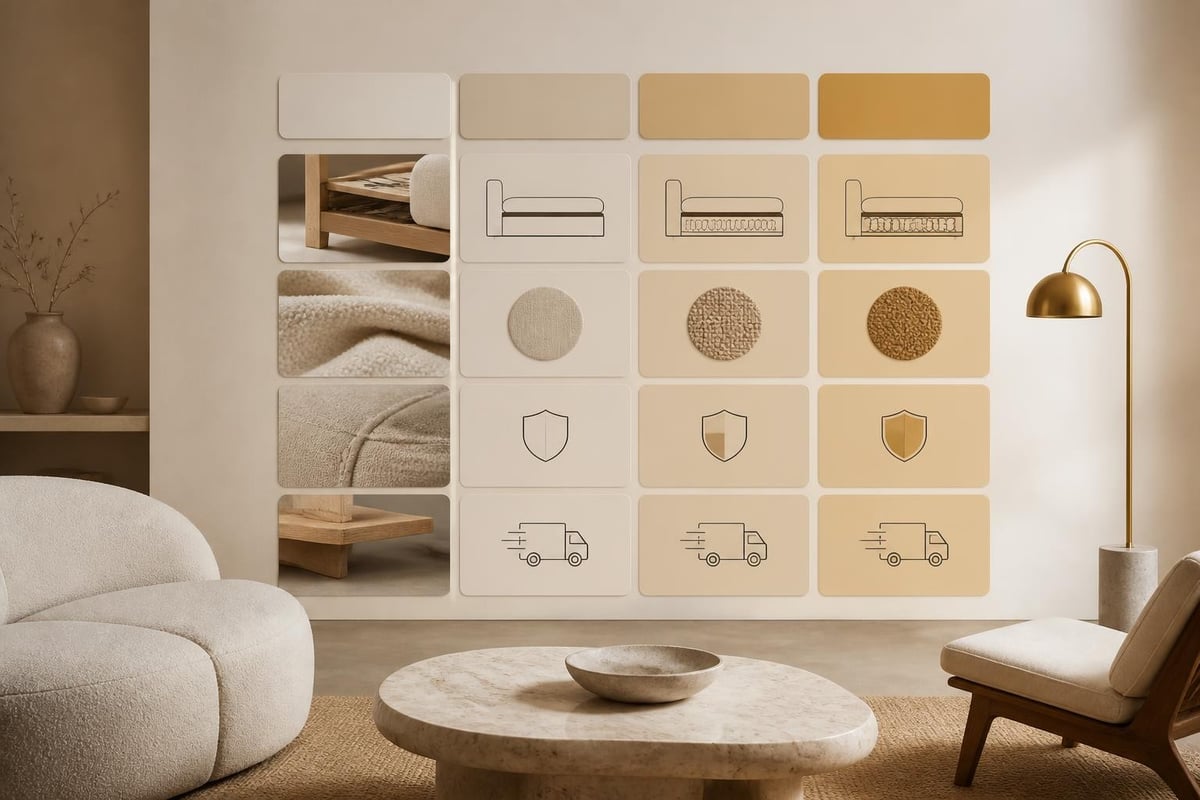
Developers specifying accent chairs for showhomes or staged apartments prioritise durability and visual impact. Choose neutral bases (charcoal, taupe, navy) that appeal to diverse buyers while adding texture through fabric choice. A linen or wool blend signals quality without polarising taste. Avoid bold patterns or saturated colours that photograph poorly or date quickly.
For commercial projects (offices, lobbies, breakout spaces), prioritise cleanability and compliance. Performance fabrics meet Building Code requirements for flame resistance and chemical emissions. Procurement standards emphasise lifecycle cost and sustainability reporting, favouring suppliers who provide transparent material sourcing and end-of-life take-back programmes.
Consistency across multiple units reduces lead time and simplifies maintenance. Specify a repeatable model with long production runs rather than limited editions that disappear mid-project. Bauhaus works with designers and developers to coordinate delivery schedules and manage custom upholstery across multi-unit developments, ensuring handover deadlines are met without compromising finish quality.
Material Authenticity and Finishing Detail
Veneered surfaces should feature book-matched grain and consistent colour. Cheap veneers peel at edges and show particleboard underneath within months. Solid timber (oak, walnut, ash) costs more but tolerates knocks and can be refinished. Oil or wax finishes highlight natural grain and allow easy repair; lacquer provides a harder surface but chips rather than wears.
Metal frames (steel, aluminium, brass) suit industrial and contemporary schemes. Powder-coated finishes resist scratching better than paint. Check weld quality at joints; rough beads or visible gaps indicate poor fabrication. Stainless steel and brass develop patina over time, which some buyers love and others dislike. Confirm finish expectations before ordering.
Cushion construction affects comfort and appearance. Fibre-wrapped foam cores (a layer of polyester fibre over foam) feel softer initially and reduce the "new foam" smell, but the fibre compresses and migrates over time. Pure high-resilience foam holds shape longer. Feather and down cushions offer luxury and a relaxed look but need daily plumping and lose loft within a few years unless regularly serviced.
An accent chair nz adds seating, defines zones and introduces material contrast without demanding the budget or space commitment of a sofa. Frame construction, upholstery choice and ergonomic fit determine whether the piece lasts a decade or disappoints within two years. At Bauhaus, we source contemporary lounge and occasional chairs that combine European design heritage with the durability and service expectations of New Zealand homeowners and designers. Visit one of our Auckland showrooms to compare construction detail, try seat depth and discuss custom upholstery options that suit your project.