Modern wicker patio furniture has evolved dramatically from its traditional roots, emerging as a cornerstone of contemporary outdoor design. Today's synthetic wicker pieces combine the timeless aesthetic appeal of woven textures with cutting-edge materials engineered to withstand New Zealand's diverse climate conditions. For homeowners seeking to create sophisticated outdoor living spaces, understanding the nuances of modern wicker furniture reveals opportunities to blend durability with exceptional design. This comprehensive guide explores the materials, styling approaches, maintenance requirements, and selection criteria that define quality wicker furniture in 2026.
The Evolution of Wicker in Contemporary Design
The transformation of wicker furniture from vintage verandah staples to sleek outdoor pieces reflects broader shifts in design philosophy and material science. The historical development of outdoor furniture demonstrates how traditional natural wicker has given way to high-performance synthetic alternatives that maintain aesthetic authenticity while delivering superior weather resistance.
Natural Versus Synthetic Materials
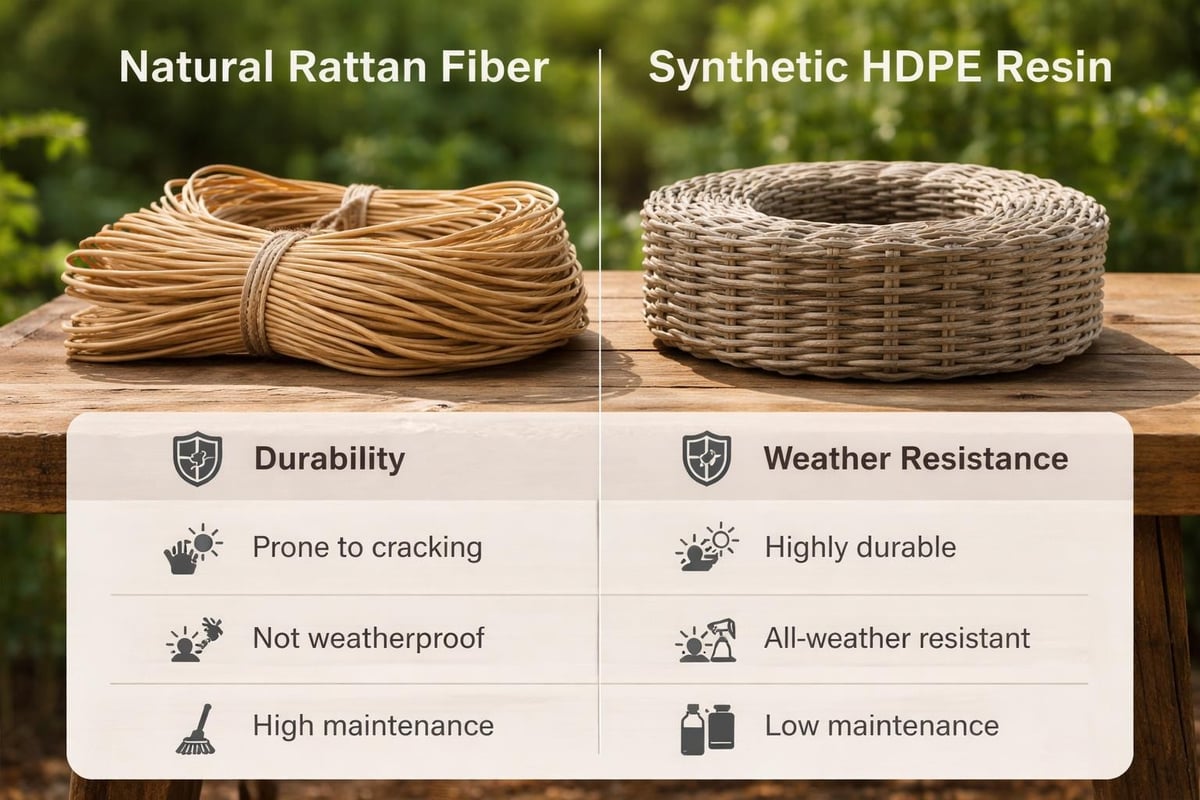
Modern wicker patio furniture primarily utilizes high-density polyethylene (HDPE) resin, a synthetic material that replicates the visual texture of natural rattan while offering exceptional durability. This material revolution has fundamentally changed outdoor furniture possibilities.
Key differences between natural and synthetic wicker:
- Weather resistance: Synthetic materials resist moisture, UV damage, and temperature fluctuations
- Maintenance requirements: HDPE requires minimal upkeep compared to natural fibers
- Lifespan: Quality synthetic wicker lasts 10-15 years versus 3-5 years for natural materials
- Color consistency: Synthetic options maintain their appearance without fading or yellowing
- Environmental impact: Modern synthetics increasingly incorporate recycled materials
The production process for contemporary synthetic wicker involves extruding resin through specialized dies, creating strands that mimic natural fiber dimensions and textures. Manufacturers then hand-weave these strands over powder-coated aluminum frames, combining traditional craftsmanship with modern materials technology.
Design Characteristics of Modern Wicker Furniture
Contemporary wicker pieces distinguish themselves through clean lines, modular configurations, and neutral color palettes that align with minimalist design principles. Much like the contemporary furniture pieces favored for indoor spaces, modern outdoor wicker emphasizes form and function in equal measure.
Architectural Elements and Forms
Modern wicker patio furniture incorporates geometric precision and structural clarity. Designers favor low-profile silhouettes with generous proportions, creating pieces that feel substantial yet refined. The weave patterns themselves have evolved, with many manufacturers employing tighter, more uniform patterns that create smooth surfaces suitable for contemporary aesthetics.
| Design Feature | Traditional Wicker | Modern Wicker |
|---|---|---|
| Frame Shape | Curved, ornate | Angular, geometric |
| Weave Pattern | Irregular, rustic | Uniform, structured |
| Color Range | Natural tones | Neutrals plus bold accents |
| Cushion Style | Floral patterns | Solid colors, texture focus |
| Scale | Compact | Generous proportions |
The integration of modular components represents another hallmark of modern design. Sectional configurations allow homeowners to customize layouts according to space requirements and social functions, much like the flexibility found in modular sofas designed for interior environments.
Color and Finish Options
While traditional wicker typically featured natural brown tones, modern iterations embrace expanded color palettes. Charcoal gray, espresso, and crisp white dominate contemporary collections, with occasional pops of navy or coastal blue. These neutral foundations provide versatility in styling, accommodating various cushion fabrics and accessory choices.
Popular finish combinations in 2026:
- Monochromatic neutrals: Gray wicker with charcoal cushions and white accent pillows
- Natural contrasts: Honey-toned weave paired with deep navy or forest green fabrics
- Contemporary black: Matte black frames with cream or beige cushioning
- Coastal palettes: White or driftwood finishes complemented by aqua and sand tones
The texture of the weave itself contributes significantly to visual interest. Some manufacturers create multi-tonal effects by blending different colored strands, adding depth without overwhelming minimalist sensibilities.
Selecting Quality Modern Wicker Patio Furniture
Understanding quality indicators helps homeowners invest in pieces that deliver long-term value. High-quality outdoor wicker furniture depends on construction details that aren't always immediately visible but dramatically impact performance and longevity.
Frame Construction and Stability
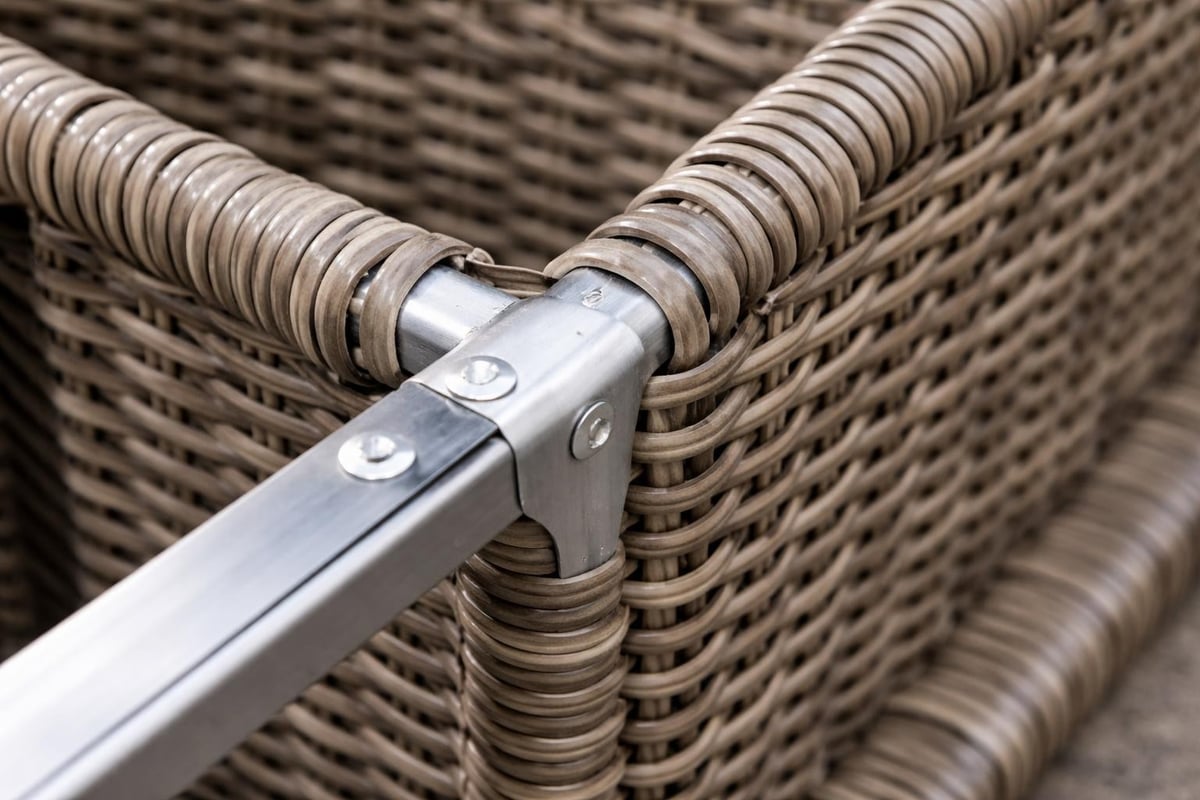
The foundation of any wicker piece determines its structural integrity. Premium modern wicker patio furniture utilizes powder-coated aluminum frames rather than steel, preventing rust while maintaining strength. Look for frames with wall thickness exceeding 1.2mm and welded joints rather than bolted connections.
Critical frame evaluation criteria:
- Aluminum alloy composition (6061-T6 offers optimal strength-to-weight ratio)
- Powder coating thickness (minimum 60 microns for corrosion resistance)
- Joint construction methods (fully welded corners versus mechanical fasteners)
- Weight capacity ratings (quality loungers support 150+ kg)
- Frame geometry (cross-bracing and support placement)
Testing stability before purchase involves applying gentle pressure to armrests and seat edges. Quality pieces demonstrate minimal flex, with weave remaining taut during stress testing.
Weave Quality and Density
The synthetic wicker itself requires careful examination. Premium HDPE resin feels substantial rather than hollow, with consistent thickness throughout each strand. The weave should exhibit tight spacing with no gaps or loose ends, secured at multiple points along the frame perimeter.
Manufacturers who blend style and durability typically offer warranties spanning 3-5 years on the wicker itself, demonstrating confidence in material performance. Similar to warranty considerations for indoor furniture, these guarantees protect against manufacturing defects while excluding damage from misuse.
Configuration Options for Outdoor Spaces
Modern wicker patio furniture adapts to diverse spatial contexts, from compact balconies to expansive outdoor entertaining areas. Understanding configuration possibilities enables strategic planning that maximizes both functionality and visual appeal.
Modular Sectional Systems
Sectional arrangements dominate contemporary outdoor furniture design, offering unprecedented flexibility. Individual modules typically include armless center pieces, corner units, and terminal sections with single arms. This modularity allows homeowners to reconfigure layouts seasonally or as needs evolve.
Standard modular components:
- Armless chairs: 75-85cm width, ideal for creating long seating runs
- Corner pieces: Right-angle connections for L-shaped configurations
- Chaise modules: Extended depth units (160-180cm) for lounging
- Ottoman units: Versatile pieces functioning as footrests or occasional seating
- Side tables: Integrated surfaces maintaining consistent design language
When planning modular layouts, maintain proportional balance with surrounding architectural elements. A general guideline suggests outdoor seating arrangements occupy approximately 60-70% of the total patio area, leaving adequate circulation space.
Dining and Bistro Sets
Modern wicker extends beyond lounge seating into dining applications. Contemporary dining sets feature tables with tempered glass or powder-coated aluminum tops surrounded by stackable wicker chairs. Bistro configurations suit smaller balconies, typically comprising a 70-80cm diameter table with two chairs.
| Set Type | Typical Dimensions | Ideal Space Size | Seating Capacity |
|---|---|---|---|
| Bistro Set | 70-80cm table | 2-3m² balcony | 2 people |
| Small Dining | 120-140cm table | 10-12m² patio | 4-6 people |
| Large Dining | 180-220cm table | 18-20m² deck | 6-8 people |
| Sectional Lounge | 3-4m configuration | 15-20m² area | 5-8 people |
The visual weight of wicker furniture pairs effectively with diverse surface materials, including timber decking, concrete pavers, and natural stone. Consider how wicker's texture contrasts with or complements these foundational elements when planning your outdoor space.
Cushioning and Fabric Considerations
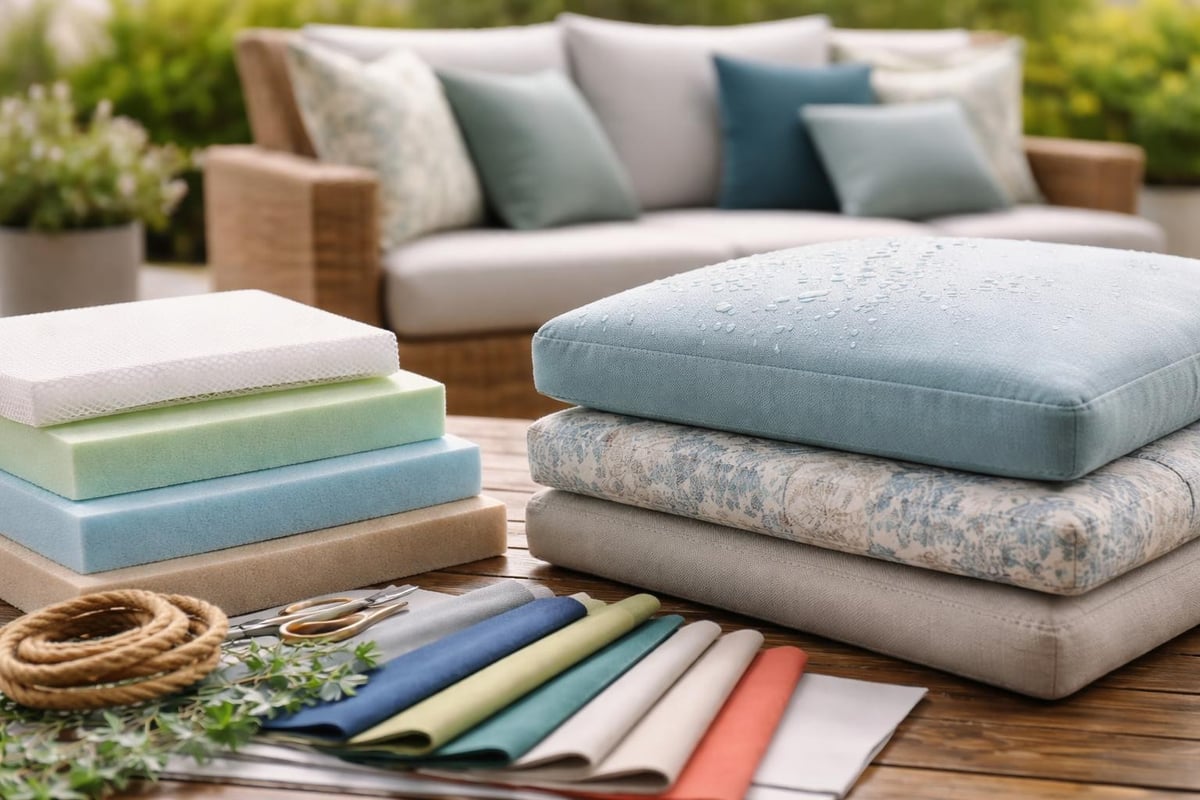
While the wicker structure provides the furniture's skeleton, cushioning determines comfort and significantly impacts overall aesthetic. Modern outdoor cushions utilize performance fabrics engineered specifically for exterior applications, balancing softness with weather resistance.
Performance Fabric Technologies
Solution-dyed acrylic fabrics dominate the outdoor cushion market, offering superior colorfastness and mildew resistance. Unlike piece-dyed alternatives, solution-dyed materials integrate pigment during fiber production, preventing color degradation from UV exposure. Leading brands maintain color integrity for 5-7 years under normal outdoor conditions.
Essential fabric performance metrics:
- UV resistance rating (minimum 500 hours fade resistance)
- Water repellency (hydrophobic treatments shed moisture)
- Mildew resistance (antimicrobial finishes prevent growth)
- Breathability (allows moisture evaporation, reducing mold risk)
- Cleanability (most stains remove with mild soap solution)
Foam core specifications matter equally. High-resilience polyurethane foam wrapped in polyester batting provides optimal comfort while resisting compression. Quick-dry foam formulations feature open-cell structures that allow water drainage, critical for New Zealand's variable weather patterns.
Cushion Styling and Proportions
Cushion thickness typically ranges from 10-15cm, with thicker options providing enhanced comfort for extended sitting. Color selection should balance personal preference with practical considerations. Lighter colors create visual spaciousness but require more frequent cleaning, while darker tones camouflage minor stains but absorb heat in direct sunlight.
Contemporary cushion color strategies:
- Tonal neutrals: Variations of gray, taupe, or sand creating sophisticated cohesion
- Accent pops: Neutral base with bold throw pillows introducing color
- Natural textures: Linen-look fabrics in earthy tones emphasizing organic qualities
- Nautical palettes: Navy and white combinations evoking coastal elegance
Coordinate cushion selections with indoor furnishing choices to create visual flow between interior and exterior spaces. This approach mirrors the design philosophy behind contemporary furniture collections that emphasize cohesive aesthetic throughout the home.
Maintenance and Care Requirements
One significant advantage of modern wicker patio furniture involves minimal maintenance demands compared to natural materials or traditional outdoor furniture types. Establishing routine care practices preserves appearance and extends functional lifespan substantially.
Regular Cleaning Protocols
Weekly maintenance requires only basic attention. Brushing loose debris from weave crevices prevents accumulation that can trap moisture or create staining. For deeper cleaning, mild dish soap mixed with warm water applied via soft brush removes most dirt and environmental residue.
Seasonal deep cleaning steps:
- Remove all cushions and brush away surface debris
- Mix solution of 60ml dish soap per 4 liters warm water
- Apply solution with soft bristle brush, working along weave direction
- Rinse thoroughly with garden hose, ensuring complete soap removal
- Allow to air dry completely before replacing cushions (typically 2-3 hours)
- Inspect frame joints and tighten any loose fasteners
Avoid pressure washers, which can damage weave integrity or force water behind the wicker into frame interiors. Similarly, harsh chemical cleaners may degrade HDPE resin or affect powder coating finishes.
Seasonal Storage and Protection
While modern wicker patio furniture withstands year-round outdoor exposure, strategic protection extends lifespan. During New Zealand's winter months, particularly in regions experiencing frost, consider these approaches:
| Protection Method | Suitable Climate | Effort Level | Cost Range |
|---|---|---|---|
| Quality covers | Mild winters | Low | $80-200 |
| Covered patio storage | Moderate winters | Medium | $0-500 |
| Garage/shed storage | Harsh winters | High | $0 |
| No protection | Coastal, mild | None | $0 |
Furniture covers specifically designed for wicker should feature breathable fabrics that prevent moisture condensation while blocking UV rays and precipitation. Ensure covers fit snugly without creating tension that could damage weave patterns during wind events.
Styling Modern Wicker in Contemporary Spaces
Integrating modern wicker patio furniture into cohesive outdoor environments requires attention to proportion, material relationships, and functional zoning. The principles governing successful outdoor styling closely parallel those applied to interior lounge arrangements, emphasizing balance and intentional composition.
Layering Textures and Materials
Modern wicker's woven texture provides an ideal foundation for material layering. Combine the organic pattern of wicker with smooth surfaces like polished concrete, sleek metal accents, and natural timber elements. This textural variety creates visual richness while maintaining contemporary sophistication.
Effective material pairings:
- Wicker seating with concrete planters and steel-framed side tables
- Natural timber decking providing warmth beneath gray wicker pieces
- Glass-topped coffee tables adding transparency and lightness
- Powder-coated metal lighting fixtures echoing frame finishes
Consider vertical elements that complement horizontal furniture planes. Tall planters with architectural foliage, standing outdoor lamps, or pergola structures add dimensional interest while defining outdoor rooms.
Functional Zoning Strategies
Large outdoor areas benefit from distinct functional zones that guide movement and usage patterns. Position dining sets near kitchen access points, locate lounge configurations in areas with optimal views or afternoon shade, and establish intimate conversation zones using smaller bistro arrangements.
Spatial planning guidelines:
- Traffic flow: Maintain 90-120cm pathways between furniture groupings
- Conversation distance: Position seating 180-240cm apart for comfortable interaction
- Table access: Allow 60cm clearance behind dining chairs for easy movement
- Focal points: Orient seating toward views, fire features, or water elements
- Shade consideration: Plan arrangements accounting for sun trajectory throughout day
Outdoor rugs define zones effectively while adding comfort underfoot. Select all-weather rugs with tight weaves that complement rather than compete with wicker textures. Geometric patterns work particularly well with the linear qualities of modern wicker furniture.
Environmental Considerations and Sustainability
As environmental awareness shapes purchasing decisions, understanding the sustainability profile of modern wicker patio furniture becomes increasingly relevant. Contemporary approaches to eco-friendly design increasingly incorporate recycled materials and responsible manufacturing processes.
Recycled Content and Manufacturing
Leading manufacturers now produce HDPE resin for wicker furniture using significant percentages of post-consumer recycled plastic. This approach diverts plastic waste from landfills while reducing demand for virgin petroleum-based materials. Some brands achieve 50-70% recycled content without compromising performance characteristics.
The powder coating process applied to aluminum frames generates minimal volatile organic compound (VOC) emissions compared to traditional liquid paint systems. Additionally, aluminum's recyclability means frames maintain value at end-of-life, with material recovery rates exceeding 90% in established recycling systems.
Sustainability evaluation factors:
- Percentage of recycled content in synthetic wicker strands
- VOC emissions from finishing processes
- Manufacturing facility energy sources and efficiency
- Product lifespan and durability (longer use reduces replacement cycles)
- End-of-life recyclability and material recovery options
Choosing durable, well-constructed pieces represents perhaps the most significant sustainability decision. Furniture lasting 10-15 years generates far less environmental impact than lower-quality alternatives requiring replacement every 3-4 years.
Investment Considerations and Value
Modern wicker patio furniture represents a significant home furnishing investment, with quality sets ranging from moderate to premium price points. Understanding value factors helps homeowners make informed decisions that balance budget constraints with long-term performance expectations.
Price Ranges and Quality Tiers
The outdoor furniture market segments into distinct quality tiers, each offering different performance characteristics and longevity expectations. Entry-level sets utilizing thinner frames and lower-density weave typically cost 40-50% less than premium alternatives but may require replacement within 3-5 years.
| Quality Tier | Price Range (NZD) | Expected Lifespan | Frame Material | Warranty Period |
|---|---|---|---|---|
| Entry | $800-1,500 | 3-5 years | Thin aluminum/steel | 1 year |
| Mid-Range | $1,500-3,500 | 7-10 years | Standard aluminum | 2-3 years |
| Premium | $3,500-7,000+ | 10-15 years | Heavy-duty aluminum | 3-5 years |
When evaluating cost-per-year ownership, premium furniture often delivers superior value despite higher initial investment. A $4,500 set lasting 12 years costs $375 annually, while a $1,200 set requiring replacement after 4 years costs $300 annually but involves additional purchasing effort and disposal challenges.
Coordinating with Interior Investments
Homeowners investing in quality contemporary furniture for interior spaces should apply similar quality standards to outdoor selections. This consistency ensures cohesive design language throughout the property while maintaining appropriate durability expectations across all living areas.
Consider outdoor furniture as an extension of interior furnishing strategy rather than a separate category. The same attention to material quality, construction details, and design coherence that guides indoor purchases should inform outdoor selections, creating seamless transitions between interior and exterior environments.
Modern wicker patio furniture has evolved into a sophisticated outdoor furnishing solution that combines timeless aesthetic appeal with contemporary performance requirements. By understanding material technologies, construction quality indicators, and styling principles, New Zealand homeowners can create outdoor living spaces that rival interior environments in both comfort and design excellence. Whether you're furnishing a compact urban balcony or an expansive coastal deck, Bauhaus brings the same commitment to quality and contemporary design to help you transform your outdoor spaces into beautiful, functional extensions of your home.