





Space optimization has become essential in modern New Zealand homes, particularly in apartments and smaller dwellings where every square meter counts. A dining table with chair storage offers an elegant solution that combines functionality with contemporary design principles. These innovative furniture pieces eliminate the visual clutter of scattered chairs while maintaining the dining area's aesthetic appeal. For homeowners seeking to maximize their living spaces without compromising on style, integrated storage solutions represent a practical investment that transforms how we use our homes.
Understanding Integrated Dining Storage Solutions
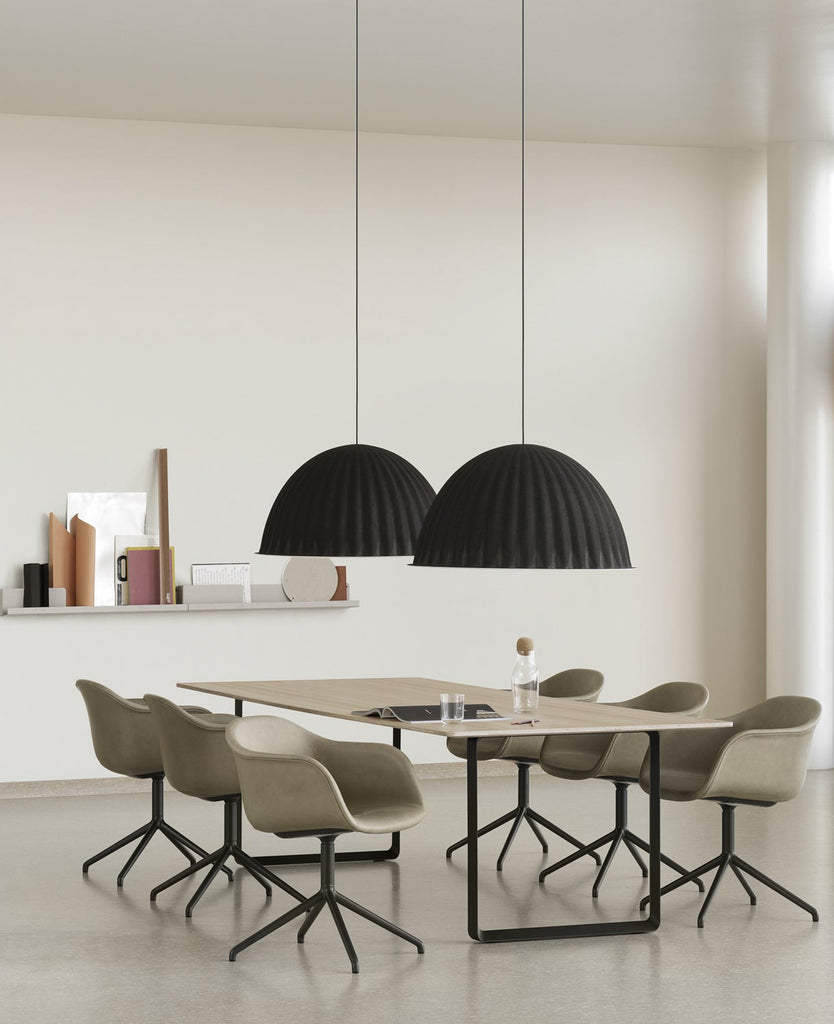
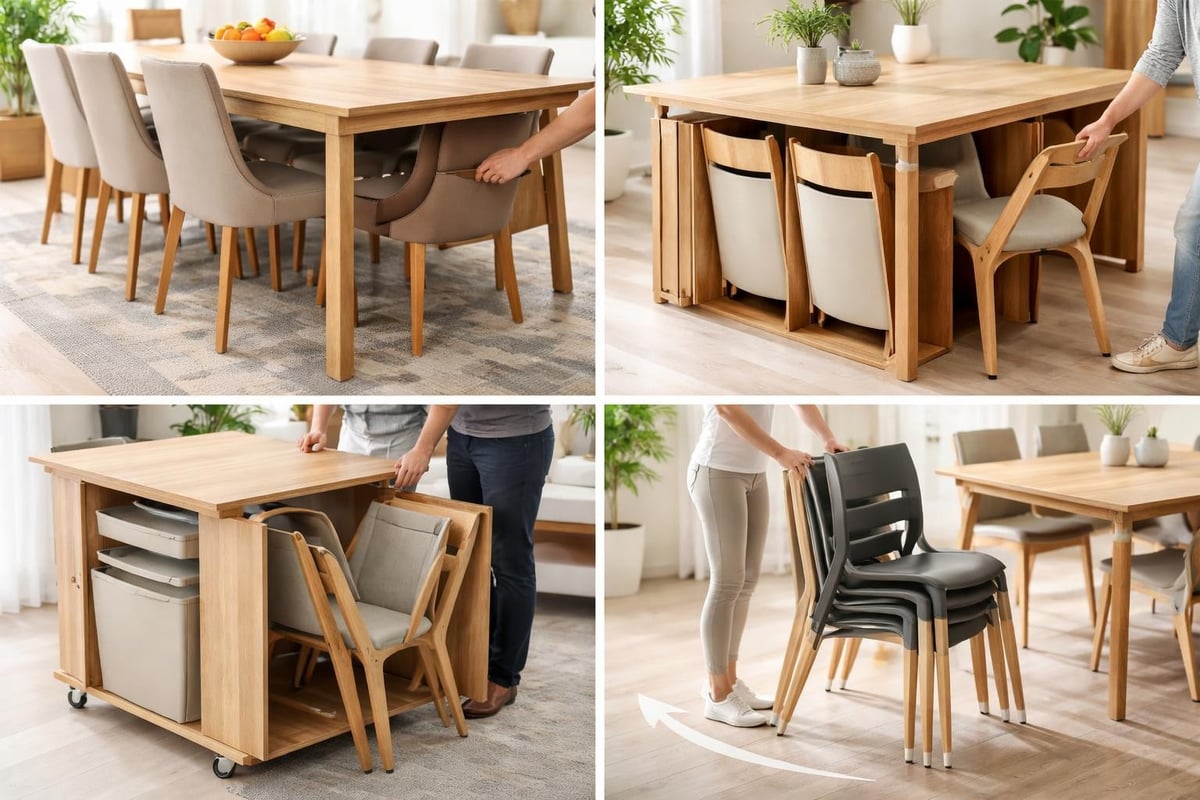
The concept of a dining table with chair storage extends beyond simple space saving. These designs incorporate chairs directly into the table's structure, either through concealed compartments, tucked-under mechanisms, or innovative stacking systems. The result is a streamlined dining area that appears more spacious and organized.
Modern iterations focus on seamless integration, ensuring that stored chairs remain easily accessible while maintaining the table's visual harmony. This approach aligns perfectly with minimalist design principles, where every element serves a purpose without creating unnecessary visual noise.
Key Design Mechanisms
Different manufacturers employ various methods to achieve effective chair storage:
- Under-table nesting: Chairs slide completely beneath the table surface when not in use
- Integrated compartments: Dedicated spaces within the table base house chairs
- Folding systems: Chairs fold flat for storage in purpose-built sections
- Stackable configurations: Chairs stack vertically within the table's footprint
When selecting dining storage furniture, material quality and construction methods become paramount considerations. The mechanisms must withstand repeated daily use while maintaining smooth operation over years of service.
Space Efficiency Benefits for New Zealand Homes
New Zealand's housing market increasingly favors compact, efficient living spaces. Auckland apartments and Wellington townhouses particularly benefit from furniture that maximizes usable floor area. A dining table with chair storage can reclaim up to three square meters of floor space compared to traditional setups with freestanding chairs.
This recovered space creates opportunities for additional functionality. Residents can incorporate exercise areas, home offices, or simply enjoy more open circulation paths throughout their living spaces.
Calculating Your Space Savings
| Room Size | Traditional Setup | With Chair Storage | Space Recovered |
|---|---|---|---|
| Small (10m²) | 4.2m² usable | 6.8m² usable | 2.6m² (62% increase) |
| Medium (15m²) | 7.5m² usable | 10.2m² usable | 2.7m² (36% increase) |
| Large (20m²) | 12.3m² usable | 14.8m² usable | 2.5m² (20% increase) |
The percentage gains prove most significant in smaller spaces where every meter counts. Beyond pure metrics, the psychological impact of uncluttered floor space creates a more relaxed, spacious atmosphere.
Material Considerations and Durability
Contemporary dining table with chair storage designs utilize various materials, each offering distinct advantages. Solid timber provides warmth and longevity, while engineered woods offer stability and cost efficiency. Metal frames deliver industrial aesthetics and exceptional strength.
The choice impacts both durability and maintenance requirements. Proper furniture care extends the lifespan of integrated storage systems, protecting your investment for decades.
Material Performance Comparison
Solid Hardwood Options:
- Natural beauty improves with age
- Requires periodic conditioning
- Supports heavy daily use
- Higher initial investment
Engineered Wood Solutions:
- Consistent appearance and stability
- Minimal maintenance needs
- Moisture resistant finishes available
- Budget-friendly pricing
Metal Frame Constructions:
- Contemporary industrial aesthetic
- Exceptional load-bearing capacity
- Simple cleaning requirements
- Compatible with various table top materials
Premium manufacturers often combine materials strategically. A solid timber top might pair with powder-coated steel storage mechanisms, balancing aesthetics with structural performance. This approach mirrors the design philosophy behind quality contemporary furniture that emphasizes both form and function.
Design Styles and Aesthetic Integration
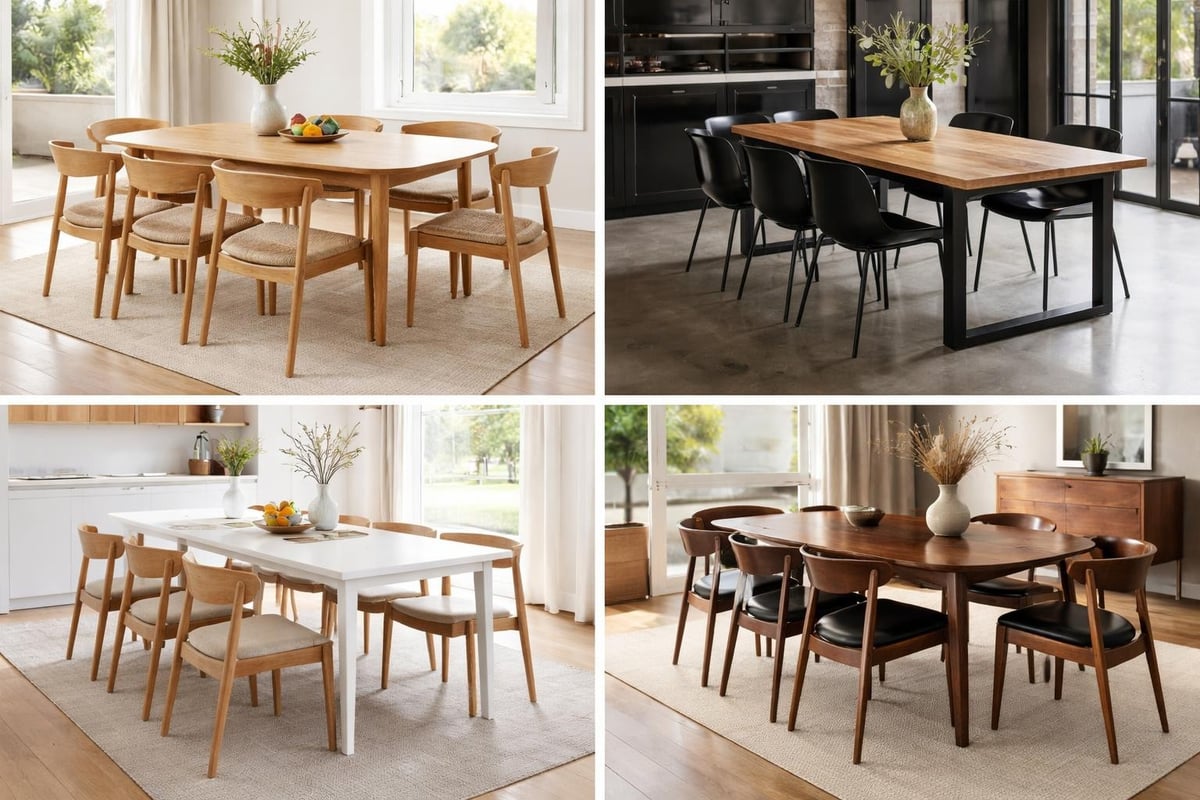
A dining table with chair storage must complement your home's existing design language. Contemporary styles favor clean lines and neutral palettes, while transitional designs bridge modern and traditional elements. Understanding these distinctions ensures your choice enhances rather than conflicts with your interior scheme.
Scandinavian-inspired pieces emphasize light woods and minimalist profiles. Industrial designs incorporate metal and reclaimed materials. Mid-century modern iterations feature tapered legs and organic shapes.
Matching Your Interior Style
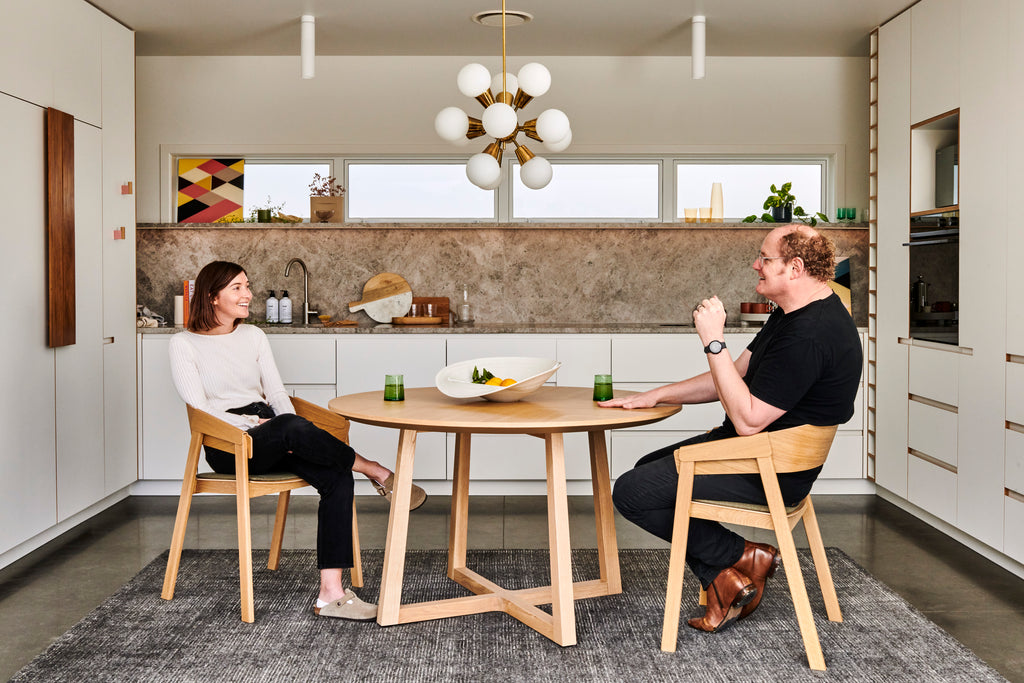
For contemporary New Zealand homes, consider how the dining solution relates to adjacent spaces. Open-plan living demands visual consistency across kitchen, dining, and lounge areas. A dining table with chair storage in complementary materials and finishes creates cohesion throughout the space.
| Design Style | Ideal Materials | Color Palette | Storage Method |
|---|---|---|---|
| Contemporary | Oak, walnut, metal | Neutrals, black, white | Under-table nesting |
| Scandinavian | Ash, beech, birch | Whites, grays, natural | Integrated compartments |
| Industrial | Metal, reclaimed wood | Charcoal, rust, concrete | Stackable systems |
| Mid-Century | Teak, walnut | Warm woods, earth tones | Folding mechanisms |
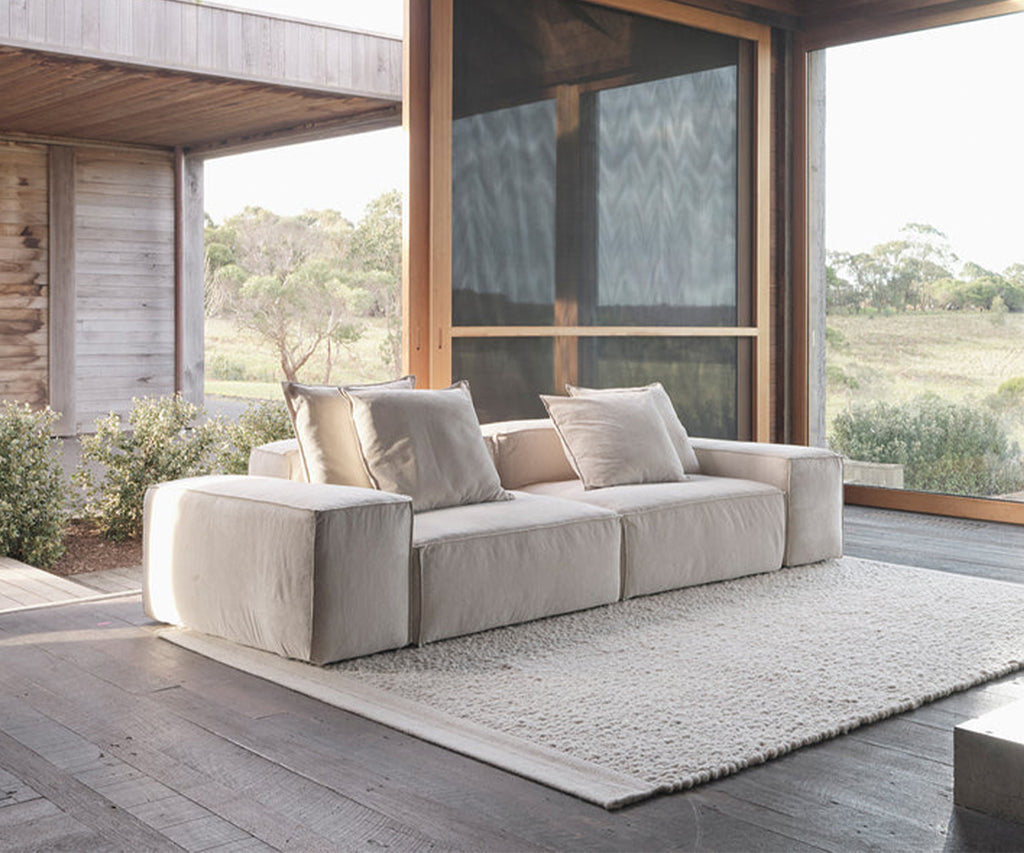
The modular sofa concepts that have revolutionized living room furniture demonstrate how adaptable design enhances contemporary homes. Similar principles apply to dining furniture, where flexibility and clean aesthetics drive purchasing decisions.
Practical Considerations for Daily Use
Functionality determines whether a dining table with chair storage succeeds in real-world applications. Chair accessibility proves crucial, particularly for families with children or elderly members. The best designs allow chairs to deploy and store with minimal effort and physical strain.
Weight distribution matters significantly. Tables must remain stable whether chairs are stored or in use, preventing tipping hazards. Quality engineering ensures the center of gravity stays consistent across all configurations.
Operational Features to Evaluate
- Deployment Speed: How quickly can you access stored chairs for unexpected guests?
- Physical Effort: Does retrieving chairs require excessive lifting or maneuvering?
- Storage Security: Do chairs remain firmly positioned when stored during table movement?
- Surface Protection: Are chair contact points padded to prevent scratching?
- Maintenance Access: Can you easily clean beneath and around stored chairs?
Many homeowners overlook these practical elements until daily use reveals shortcomings. Extendable dining sets with storage combine expansion capabilities with integrated chair storage, offering maximum versatility for growing families or frequent entertainers.
Seating Capacity and Configuration Options
Standard dining table with chair storage configurations accommodate four to six people comfortably. Larger versions supporting eight or more guests require more sophisticated engineering to maintain structural integrity while housing additional chairs.
Consider your typical dining scenarios. Daily family meals might need four seats, while entertaining could require doubling that capacity. Some designs address this through hybrid approaches, combining stored chairs with traditional freestanding options for flexibility.
Seating Configuration Strategies
Fixed Capacity Models:
- Four-chair systems for couples and small families
- Six-chair arrangements for standard family dining
- Eight-chair solutions for regular entertainers
Expandable Systems:
- Core stored chairs plus expansion leaf space
- Combination of nested and freestanding chairs
- Modular approaches allowing configuration changes
The six-piece dining sets with storage drawers demonstrate how designers integrate multiple storage types. Beyond chairs, these pieces often incorporate compartments for table linens, serving utensils, and dining accessories.
Investment Value and Longevity
A dining table with chair storage represents a significant furniture investment, typically ranging from moderate to premium price points. Evaluating cost against expected lifespan and daily utility helps justify the expenditure.
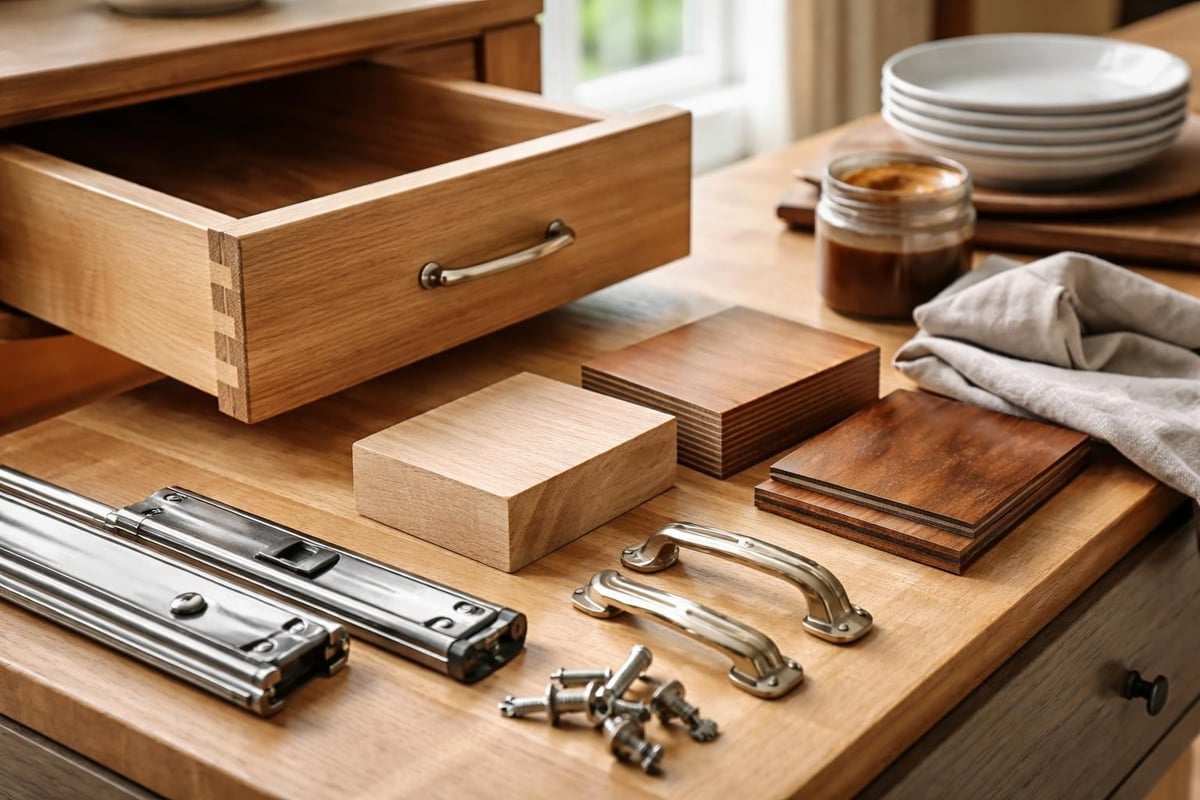
Quality construction methods directly impact longevity. Dovetail joinery, solid wood construction, and premium hardware outlast budget alternatives by decades. While initial costs run higher, the amortized expense over twenty years favors quality pieces.
Cost-Benefit Analysis Framework
| Factor | Budget Option | Premium Option |
|---|---|---|
| Initial Cost | $800-$1,500 | $2,500-$5,000 |
| Expected Lifespan | 5-8 years | 15-25 years |
| Annual Cost | $100-$300 | $100-$333 |
| Maintenance Needs | Moderate | Minimal |
| Resale Value | 10-20% | 40-60% |
Premium pieces from established manufacturers often include comprehensive warranties covering structural integrity and mechanism function. Understanding warranty coverage protects your investment and provides recourse if manufacturing defects emerge.
Installation and Assembly Requirements
Most dining table with chair storage solutions arrive requiring some assembly. Complexity varies significantly across designs, from simple leg attachment to intricate storage mechanism installation. Review assembly requirements before purchasing, particularly if hiring professional help increases total costs.
Some manufacturers offer white-glove delivery including complete assembly and placement. This service eliminates installation concerns while ensuring proper mechanism setup. For DIY assembly, allocate adequate time and workspace, typically requiring two people for larger tables.
Assembly Preparation Checklist
- Clear adequate floor space (minimum 4m² beyond table footprint)
- Gather required tools (typically Allen keys, screwdrivers, rubber mallet)
- Review all instructions before beginning
- Identify and organize all components and hardware
- Protect flooring with blankets during assembly
- Test all mechanisms before final positioning
Professional assembly services typically cost between $150-$300 depending on complexity and location. This investment ensures correct installation, particularly for sophisticated storage mechanisms requiring precise adjustment.
Maintenance and Care Best Practices
Proper maintenance extends the functional life of integrated storage systems. Regular cleaning prevents dust accumulation in mechanism tracks, while periodic lubrication ensures smooth operation. Different materials demand specific care approaches.
Wood surfaces require appropriate cleaners that don't damage finishes. Metal components benefit from occasional lubrication at pivot points. Upholstered chair elements need vacuuming and spot cleaning to maintain appearance.
Monthly Maintenance Routine
- Vacuum beneath and around stored chairs to remove debris
- Wipe mechanism tracks with dry microfiber cloth
- Inspect hardware for looseness, tightening as needed
- Clean table surface according to material specifications
- Apply appropriate wood conditioner or metal polish quarterly
Following the manufacturer's specific care instructions preserves both functionality and appearance. Many contemporary furniture makers provide detailed maintenance guides addressing their specific materials and mechanisms.
Customization and Personalization Options
Many manufacturers offer customization for dining table with chair storage pieces. Finish selections, dimension modifications, and chair style variations allow tailoring to specific requirements. Custom work typically extends lead times but delivers furniture perfectly suited to your space.
Standard dimensions might not accommodate unusually proportioned rooms or specific design visions. Working with manufacturers offering custom services ensures ideal fit and function. This approach particularly benefits heritage homes with non-standard room dimensions or unique architectural features.
Available Customization Categories
Dimensional Adjustments:
- Table length modifications (typically 15cm increments)
- Width alterations to fit specific spaces
- Height changes for counter or bar configurations
Material and Finish Options:
- Wood species selection
- Stain color customization
- Hardware finish choices (brushed nickel, matte black, brass)
Chair Specifications:
- Upholstery fabric or leather selection
- Frame style variations
- Cushion firmness preferences
Custom furniture requires longer production periods, generally 8-16 weeks versus 2-6 weeks for stock items. Budget increases of 20-40% above standard pricing reflect the additional labor and material flexibility required.
Environmental and Sustainability Factors
Environmentally conscious consumers increasingly prioritize sustainable furniture choices. A dining table with chair storage from responsible manufacturers uses certified sustainable timber, low-VOC finishes, and recyclable materials where possible. These considerations align with New Zealand's strong environmental awareness.
Longevity itself represents sustainability. Quality furniture lasting decades prevents waste compared to disposable alternatives requiring replacement every few years. Choosing repairable designs with available replacement parts further enhances environmental credentials.
Sustainability Assessment Criteria
- Material Sourcing: FSC or PEFC certified timber
- Manufacturing Process: Energy-efficient production methods
- Finish Products: Water-based, low-VOC coatings
- Packaging: Recyclable or biodegradable materials
- End-of-Life: Recyclable components and responsible disposal guidance
Manufacturers transparent about their sustainability practices typically provide detailed information about material origins and environmental certifications. This transparency builds confidence in their environmental claims and corporate responsibility.
Making Your Selection Decision
Choosing the right dining table with chair storage requires balancing multiple factors: space constraints, aesthetic preferences, budget parameters, and functional requirements. Creating a prioritized list of must-have versus nice-to-have features streamlines the decision process.
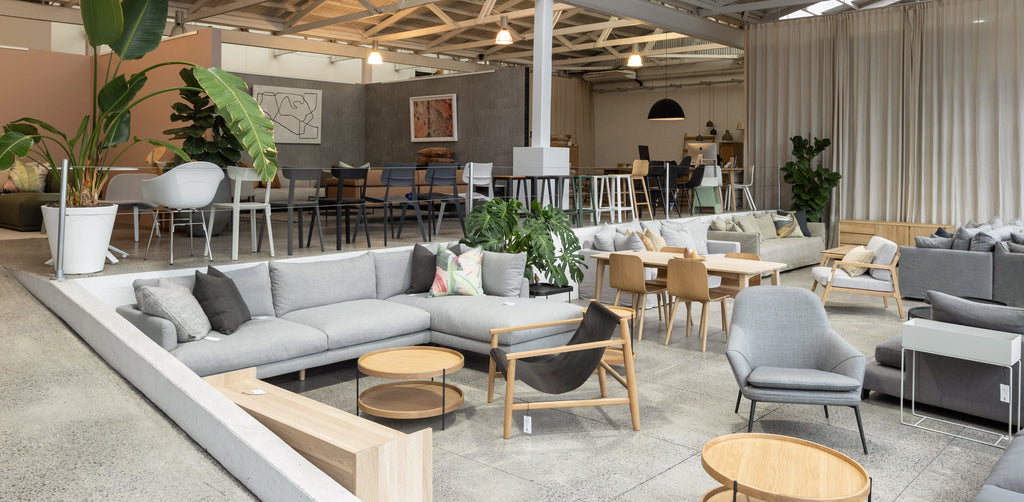
Visit showrooms to physically experience how mechanisms operate and chairs feel. Photographs rarely convey the tactile quality of materials or smoothness of storage systems. Hands-on evaluation reveals details that specifications cannot communicate.
Decision-Making Framework
| Priority Level | Considerations |
|---|---|
| Essential | Space fit, budget ceiling, minimum seating capacity |
| Important | Material preference, style compatibility, mechanism type |
| Desirable | Customization options, specific finishes, expandability |
| Optional | Brand preference, warranty length, delivery timing |
Comparing options across multiple manufacturers reveals market pricing and feature standards. While similar designs might appear identical, construction quality differences justify price variations. Examining joinery, hardware quality, and finish application reveals true value propositions.
Space-conscious design solutions transform how New Zealand homes function, with dining table with chair storage leading this evolution toward smarter living environments. These integrated pieces deliver measurable floor space recovery while maintaining the aesthetic standards contemporary homeowners demand. Whether furnishing a compact apartment or streamlining a larger home, the right dining solution balances practical storage with design integrity. Bauhaus understands these priorities, offering contemporary furniture collections that combine minimalist aesthetics with functional innovation, helping you create dining spaces that work as beautifully as they look.