Selecting the perfect dining furniture represents one of the most significant decisions in creating a functional and aesthetically pleasing home environment. Contemporary table and chairs have evolved far beyond simple utilitarian pieces, now serving as statement elements that define the character of dining spaces while meeting the practical demands of modern living. In New Zealand homes, where indoor-outdoor living and natural light play crucial roles in design philosophy, choosing contemporary furniture requires careful consideration of materials, proportion, and versatility. This comprehensive guide explores the essential aspects of contemporary dining furniture, helping you make informed decisions that will enhance your home for years to come.
Understanding Contemporary Design Principles
Contemporary furniture design distinguishes itself through clean lines, minimal ornamentation, and a focus on function without sacrificing visual appeal. Unlike traditional or ornate styles, contemporary table and chairs emphasize simplicity and honesty in construction, allowing materials and form to speak for themselves.
The contemporary aesthetic embraces negative space as an active design element. Tables feature streamlined silhouettes with carefully considered proportions, while chairs balance comfort with visual lightness. This approach creates dining environments that feel spacious and uncluttered, particularly valuable in New Zealand homes where connection to outdoor spaces matters deeply.
Material Innovation and Sustainability
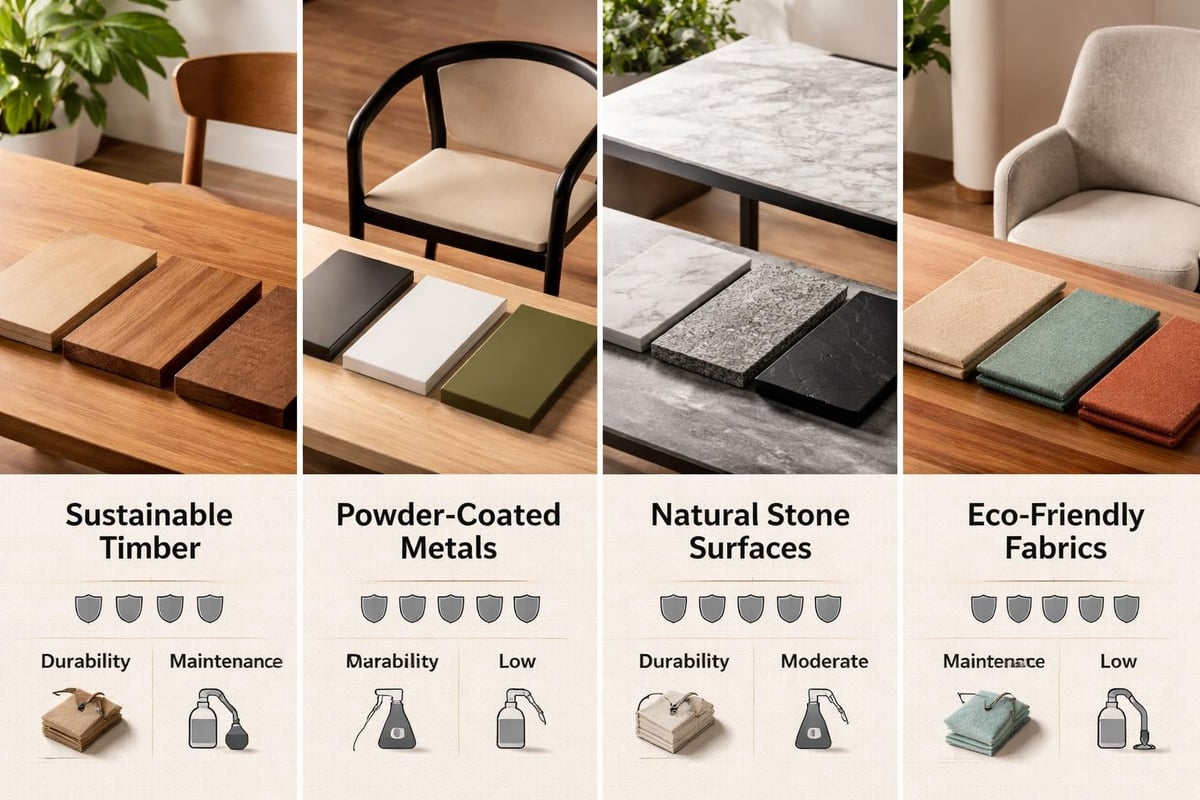
Modern manufacturing techniques have expanded the palette of materials available for contemporary furniture considerably. Solid timber remains a cornerstone, but engineered wood products, metal alloys, and innovative composites now share the stage equally.
Popular materials for contemporary dining furniture include:
- Sustainable timber species with natural grain patterns
- Powder-coated steel and aluminum for structural elements
- Recycled materials including reclaimed wood and repurposed plastics
- Natural stone and sintered stone for table surfaces
- Eco-friendly upholstery fabrics for chair seating
Warm minimalism has emerged as a defining trend, combining minimalist principles with organic textures and earth-toned finishes. This approach softens the sometimes stark nature of pure minimalism while maintaining the clean aesthetic contemporary design demands.
Selecting Tables for Contemporary Spaces
The dining table serves as the anchor point for any dining area, establishing both the functional capacity and visual tone of the space. Contemporary table and chairs must work harmoniously, beginning with selecting a table that suits your spatial and lifestyle requirements.
Size and Proportion Considerations
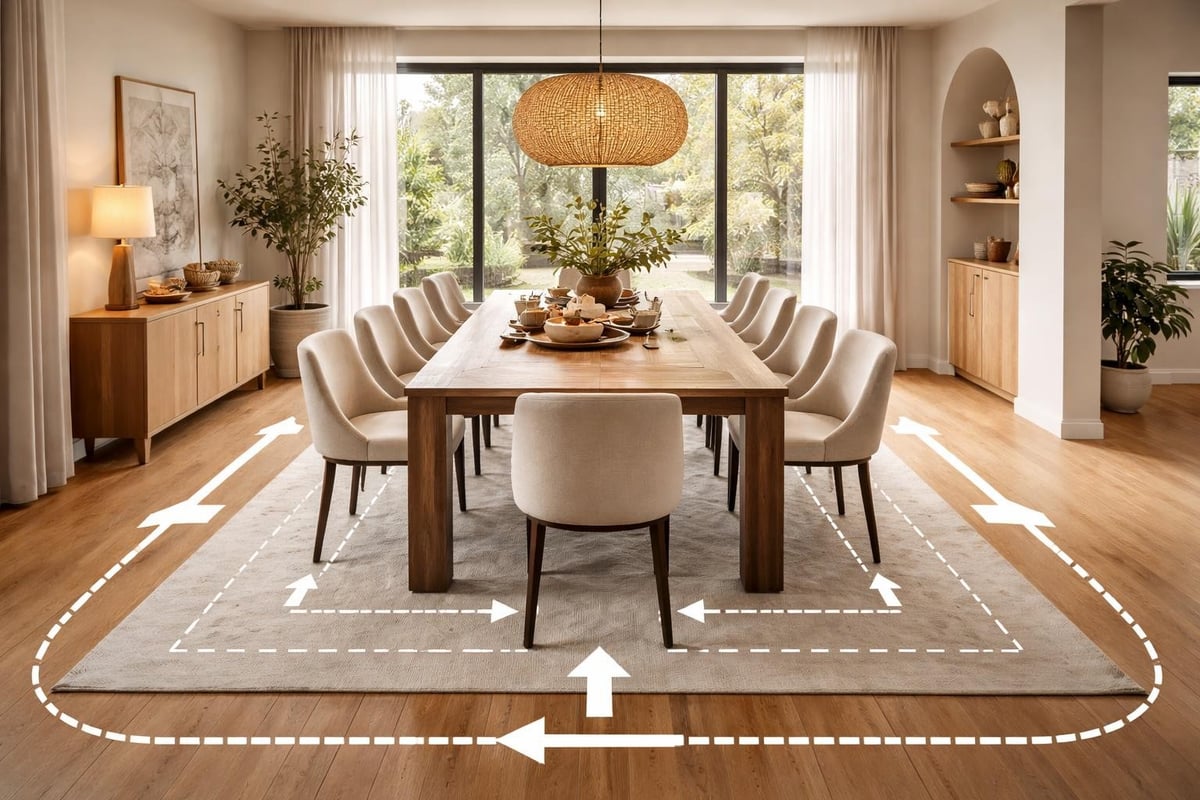
Determining the appropriate table size requires measuring your space carefully and considering circulation patterns. Industry standards recommend leaving at least 90-120 centimeters between the table edge and walls or other furniture to allow comfortable movement.
| Room Dimension | Recommended Table Size | Seating Capacity |
|---|---|---|
| 3m x 3m | 120cm round or 150cm x 90cm rectangular | 4-6 people |
| 3.5m x 4m | 180cm x 90cm rectangular | 6-8 people |
| 4m x 5m | 210cm x 100cm rectangular or 150cm round | 8-10 people |
| 5m x 6m | 240cm x 110cm rectangular | 10-12 people |
Contemporary tables often feature sculptural bases and mixed materials, creating visual interest while maintaining structural integrity. Pedestal bases maximize legroom and seating flexibility, while trestle designs add architectural drama to larger spaces.
Surface Materials and Finishes
Table surfaces endure significant daily use, making material selection critical for longevity and maintenance ease. Contemporary designs favor materials that combine beauty with practicality.
Solid timber surfaces develop character over time, with natural variations in grain and color adding warmth to minimalist interiors. Oil or lacquer finishes protect the wood while maintaining tactile appeal. For high-traffic households, sintered stone or porcelain surfaces offer exceptional durability and stain resistance without compromising contemporary aesthetics.
The Tomo Side Table exemplifies how contemporary design balances form and function through thoughtful material application and refined proportions.
Contemporary Chair Design and Comfort
While tables provide the foundation, chairs deliver the comfort and style that make dining spaces inviting. Contemporary table and chairs succeed when chair design complements table proportions while addressing ergonomic requirements for extended sitting.
Ergonomic Considerations in Modern Design
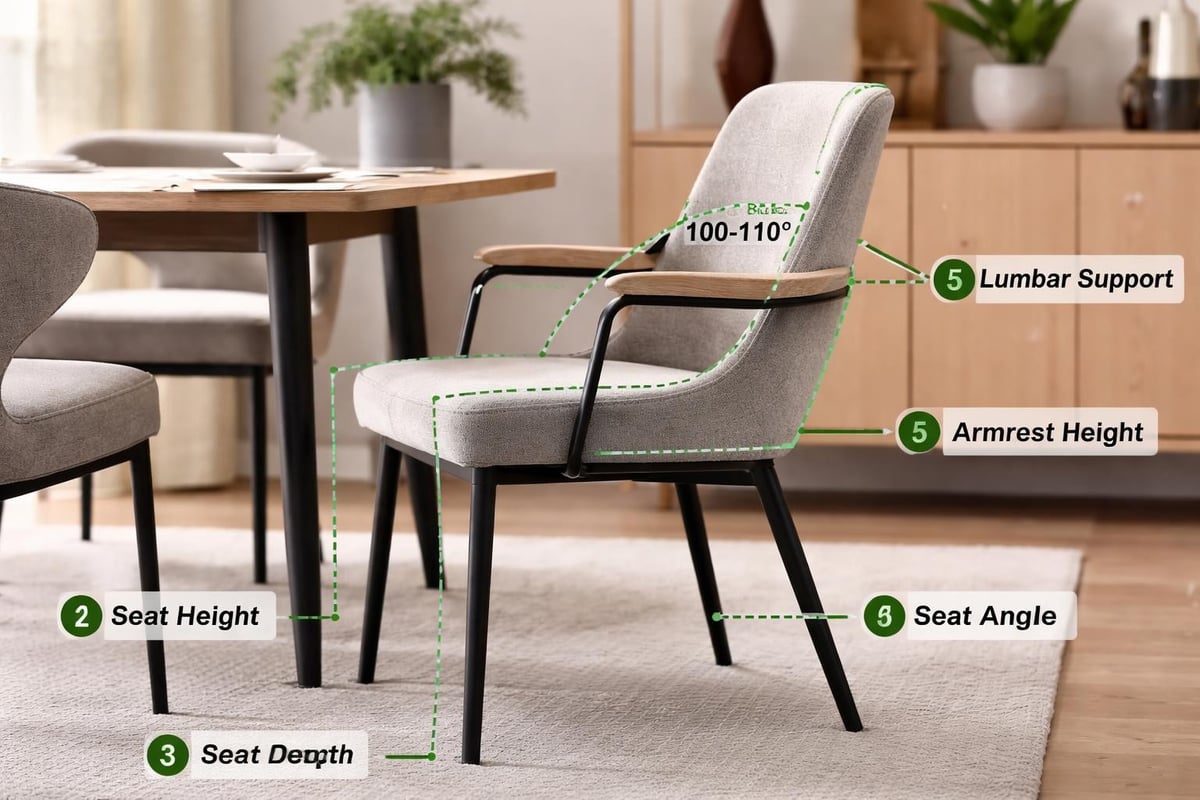
Contemporary designers increasingly prioritize comfort without sacrificing aesthetic purity. Seat heights typically range from 45-50 centimeters, with seat depths of 40-45 centimeters ensuring proper thigh support. Backrest angles between 95-105 degrees promote healthy posture during meals.
Key ergonomic features include:
- Contoured seat pans that distribute weight evenly
- Lumbar support integrated into backrest design
- Armrests positioned to allow comfortable table approach
- Footrests or stretchers for stability and comfort
- Breathable upholstery materials for extended sitting
The Muuto Fiber Chair, crafted from recycled plastic and sustainable fiber, demonstrates how contemporary design can merge environmental responsibility with exceptional comfort and visual appeal.
Upholstered Versus Non-Upholstered Options
Choosing between upholstered and non-upholstered chairs involves balancing comfort, maintenance, and aesthetic preferences. Non-upholstered chairs in molded wood, plastic, or metal suit minimalist interiors and simplify cleaning. These options work particularly well in casual dining areas or homes with young children.
Upholstered contemporary table and chairs introduce softness and acoustic dampening to hard-surfaced dining rooms. Performance fabrics with stain-resistant treatments make upholstered options increasingly practical for daily use. Leather or faux leather upholstery ages gracefully while requiring minimal maintenance beyond occasional conditioning.
Mixing and Matching for Visual Interest
Contemporary design embraces intentional contrast and curated variety rather than rigid matching. Strategic mixing of chair styles, materials, or colors creates dynamic dining environments that reflect personal taste while maintaining cohesion.
Creating Cohesive Contrast
Successful mixing requires identifying common threads that unify disparate elements. Shared materials, complementary proportions, or coordinated color palettes allow different chair designs to coexist harmoniously around a single table.
Consider pairing solid wood dining chairs with upholstered end chairs in coordinating tones. The upholstered pieces provide comfort for hosts while the wooden chairs maintain visual consistency along table sides. Alternatively, mixing chair colors within a single design family adds playfulness without sacrificing coherence.
Diverse seating options have gained popularity as designers move beyond traditional chair sets. Incorporating benches, settees, or even lounge chairs into dining configurations creates flexible, welcoming environments suited to various occasions.
The Role of Color and Finish
Contemporary palettes favor neutral bases with strategic color accents. Monochromatic schemes in grays, whites, or blacks create sophisticated backdrops, while natural wood tones introduce warmth without overwhelming spaces. When introducing color, consider how it relates to broader room schemes and architectural elements.
Matte finishes dominate contemporary furniture, offering subtle sophistication that resists fingerprints and wear better than high-gloss alternatives. Powder-coated metals in black, white, or bronze provide durable, contemporary accents that complement various table materials.
Material Durability and Maintenance
Investing in quality contemporary table and chairs requires understanding how different materials perform over time and what maintenance they demand. Selecting durable materials ensures furniture retains its beauty and function through years of daily use.
Timber Care and Protection
Solid wood furniture requires regular maintenance to preserve its appearance and structural integrity. Different timber species and finishes demand specific care approaches.
| Timber Type | Finish | Maintenance Requirements | Durability Rating |
|---|---|---|---|
| Oak | Oil | Monthly oiling initially, quarterly maintenance | Excellent |
| Walnut | Lacquer | Periodic dusting, annual inspection | Very Good |
| Ash | Wax | Regular waxing, immediate spill cleanup | Good |
| Reclaimed Pine | Oil | Monthly oiling, gentle cleaning | Good |
Protecting timber surfaces from excessive moisture, direct sunlight, and temperature extremes extends furniture lifespan significantly. Using placemats, coasters, and trivets prevents heat rings and water damage that compromise finishes over time.
The furniture care guide provides comprehensive maintenance instructions tailored to specific materials and finishes, helping preserve your investment for generations.
Metal and Composite Maintenance
Metal components require minimal maintenance beyond regular dusting and occasional cleaning with appropriate products. Powder-coated finishes resist scratching and corrosion effectively, though sharp impacts can chip protective layers. Touch-up paints address minor damage before rust develops.
Composite materials including engineered wood and plastic-based surfaces generally offer superior stain resistance and dimensional stability compared to solid wood. Most require only damp cloth cleaning, though specific products may have particular requirements detailed by manufacturers.
Spatial Planning and Arrangement
Even the most beautifully designed contemporary table and chairs fail to satisfy if poorly positioned within their environment. Thoughtful spatial planning maximizes functionality while creating visually balanced dining areas.
Traffic Flow and Accessibility
Dining areas must accommodate movement around the table when all seats are occupied. The 90-120 centimeter clearance standard mentioned earlier ensures chairs pull out completely without obstruction. In multi-use spaces, consider how dining furniture arrangements affect traffic patterns to adjacent rooms or outdoor areas.
Essential spatial planning guidelines:
- Position tables centered under pendant lighting when possible
- Maintain clear pathways to kitchen and living areas
- Consider door swing clearances and window operations
- Account for buffet or storage furniture alongside tables
- Plan for serving carts or additional seating during gatherings
New Zealand's indoor-outdoor lifestyle often integrates dining spaces with deck or patio access. Positioning tables to facilitate this connection enhances functionality while emphasizing the relationship between interior and exterior environments.
Lighting Coordination
Proper lighting transforms dining experiences, with contemporary spaces typically employing layered lighting strategies. Pendant fixtures positioned 75-85 centimeters above table surfaces provide focused task lighting for meals without obstructing sightlines across the table.
Dimmer controls allow adjustment from bright task lighting during casual meals to softer ambient lighting for formal entertaining. Contemporary pendants in metal, glass, or sculptural forms serve as artistic focal points that complement minimalist furniture aesthetics.
Contemporary Trends Influencing 2026 Design
Design trends continuously evolve, with contemporary furniture adapting to changing lifestyles, technologies, and environmental concerns. Understanding current directions helps select pieces that remain relevant beyond immediate fashion cycles.
Sustainability and Ethical Production
Environmental consciousness increasingly drives furniture purchasing decisions. Contemporary manufacturers prioritize sustainable materials, low-emission production processes, and transparent supply chains. Consumers now regularly inquire about timber sourcing, factory conditions, and end-of-life recyclability.
Certifications including FSC timber, GREENGUARD emissions standards, and B-Corp status help identify genuinely sustainable options among marketing claims. The fusion of aesthetics, function, and sustainability represents the contemporary ideal, where environmental responsibility enhances rather than compromises design excellence.
Modular and Adaptable Solutions
Flexibility defines modern living, with furniture systems adapting to changing needs rather than requiring replacement. Extendable tables accommodate varying guest counts, while stackable or folding chairs store efficiently when not required.
This adaptability proves particularly valuable in smaller New Zealand homes where spaces serve multiple functions. Dining tables double as work surfaces, while chairs move between dining, desk, and occasional seating roles throughout homes.
Technology Integration
While contemporary design favors visual simplicity, functional technology integration becomes increasingly common. Tables with concealed charging ports, wireless charging surfaces, or integrated cable management address modern connectivity needs without compromising minimalist aesthetics.
Smart home integration allows lighting, temperature, and entertainment systems to respond to dining activities automatically. However, successful contemporary design keeps technology invisible, maintaining the clean lines and uncluttered surfaces that define the style.
Investment Considerations and Value
Quality contemporary table and chairs represent significant investments deserving careful evaluation. Understanding value beyond initial purchase price helps select pieces that deliver satisfaction over their entire lifecycle.
Pricing Factors and Budget Allocation
Contemporary furniture pricing varies dramatically based on materials, construction methods, brand positioning, and design pedigree. Solid timber and metal pieces generally command higher prices than composite or plastic alternatives, though exceptions exist.
Designer collaborations and limited editions carry premium pricing reflecting exclusivity and artistic value. However, lesser-known manufacturers often deliver comparable quality and design at accessible price points. Evaluating construction quality, material specifications, and warranty coverage provides better value indicators than brand recognition alone.
Budget allocation should prioritize pieces receiving heaviest use. Investing in quality chairs makes sense given their frequent use and ergonomic importance, while table selection might emphasize aesthetic contribution if family meals occur less regularly.
Resale Value and Longevity
Well-maintained contemporary furniture from respected manufacturers retains value remarkably well. Classic designs from established brands often appreciate, particularly limited editions or pieces by notable designers. However, purchasing furniture primarily as investment rarely proves financially sound compared to dedicated investment vehicles.
Longevity matters more than resale potential for most buyers. Quality construction, timeless design, and durable materials ensure contemporary table and chairs serve households for decades, amortizing initial costs across years of daily use. This long-term perspective often justifies higher upfront investment in superior pieces.
Professional Design Assistance
Selecting contemporary table and chairs involves numerous decisions regarding style, size, materials, and arrangement. Professional design assistance helps navigate these choices while avoiding costly mistakes that compromise functionality or aesthetics.
In-Home Consultation Benefits
Experienced designers evaluate spatial constraints, lighting conditions, and existing decor elements when recommending furniture. They identify opportunities and challenges that photographs or measurements alone cannot capture, ensuring selections suit your specific environment.
Professional consultations also provide access to broader product ranges, including trade-only items or custom configurations unavailable to general consumers. Designers maintain relationships with manufacturers, often securing better pricing or shortened lead times than individual buyers achieve.
In-home furniture consultations offer personalized guidance tailored to your space, lifestyle, and aesthetic preferences, streamlining the selection process while ensuring optimal outcomes.
Customization Options
Standard furniture dimensions suit most applications, but custom sizing addresses challenging spaces or specific functional requirements. Contemporary manufacturers increasingly offer customization programs allowing material, finish, and dimension modifications without full bespoke production costs.
Custom options prove particularly valuable when coordinating contemporary table and chairs with existing furniture or architectural elements. Matching wood species, replicating finish tones, or adjusting proportions creates cohesive interiors that appear thoughtfully curated rather than randomly assembled.
Caring for Your Investment
Proper maintenance preserves the beauty and function of contemporary furniture while protecting your financial investment. Establishing care routines and addressing issues promptly prevents minor concerns from becoming major problems.
Daily and Weekly Maintenance
Simple daily practices significantly extend furniture life. Wiping spills immediately prevents staining and water damage, while using placemats and coasters protects surfaces from heat and moisture. Brushing crumbs from chair crevices prevents buildup that attracts pests or causes fabric degradation.
Weekly dusting with microfiber cloths removes particulates that gradually abrade finishes. For upholstered chairs, vacuuming with upholstery attachments prevents dirt accumulation in fabric weaves. These minimal efforts maintain appearance while reducing the frequency of deeper cleaning interventions.
Seasonal Deep Cleaning
Quarterly or semi-annual deep cleaning addresses accumulation that daily maintenance misses. For timber furniture, this involves cleaning with wood-specific products followed by reconditioning with appropriate oils or waxes. Metal components benefit from thorough cleaning and inspection for finish damage requiring touch-up.
Upholstered chairs may require professional cleaning annually or bi-annually depending on use intensity. Professional services extract embedded soil that vacuuming cannot reach, refreshing appearance and extending upholstery life. Between professional cleanings, spot treatment addresses spills before they set permanently.
The New Zealand Context
Contemporary furniture selection in New Zealand involves unique considerations reflecting the nation's climate, lifestyle, and design sensibilities. Understanding these factors ensures choices align with local conditions and cultural preferences.
Climate Considerations
New Zealand's temperate maritime climate features moderate temperatures with relatively high humidity, particularly in coastal areas. Furniture materials must withstand these conditions without warping, cracking, or deteriorating prematurely.
Timber furniture benefits from finishes that accommodate seasonal moisture fluctuations, preventing joint failures or surface checking. Metal components should feature corrosion-resistant finishes or materials, especially in coastal environments where salt air accelerates oxidation.
Indoor-Outdoor Living Integration
The Kiwi lifestyle emphasizes seamless transitions between interior and exterior spaces. Contemporary table and chairs increasingly serve both environments, with designs and materials suitable for covered outdoor areas as well as formal dining rooms.
This dual functionality influences material selection toward weather-resistant options including treated timbers, powder-coated metals, and outdoor-rated upholstery fabrics. Furniture that transitions easily between spaces maximizes utility while supporting the relaxed entertaining style New Zealanders favor.
Local Design Sensibility
New Zealand's design aesthetic combines international contemporary influences with appreciation for natural materials and craftsmanship. Local preferences tend toward understated elegance rather than bold statements, with respect for quality and authenticity over transient trends.
This sensibility aligns perfectly with contemporary design principles emphasizing honesty in materials, clarity of form, and functional integrity. The brands curated by specialists in contemporary furniture reflect these values, offering pieces that resonate with New Zealand tastes while meeting international design standards.
Contemporary table and chairs represent the intersection of form, function, and personal expression, transforming dining spaces into gathering places that reflect your values and lifestyle. By considering materials, proportions, sustainability, and maintenance requirements alongside aesthetic preferences, you can select furniture that serves your household beautifully for years to come. Bauhaus specializes in helping New Zealand homeowners discover contemporary furniture solutions that enhance their living spaces with quality craftsmanship and timeless design. Explore their curated collection to find the perfect contemporary table and chairs for your home.